Easter has always been a special time in my family, filled with the scent of spring flowers and the excitement of an egg hunt. I remember standing on a stool in Grandma’s kitchen, my small hands carefully placing candy eggs onto freshly frosted Easter cupcakes. Those simple, sweet moments are the heart of my cooking philosophy. This recipe for Easter cupcakes is a tribute to those memories—a perfectly moist vanilla cupcake with a fluffy buttercream frosting that’s just waiting for your creative touch.
Making these treats is more than just baking; it’s about creating new traditions with your loved ones. The joy on a child’s face as they decorate their very own batch of Easter cupcakes is priceless. This recipe is straightforward, uses common pantry staples, and produces a wonderfully tender crumb every single time. It’s the perfect canvas for all your spring-themed decorations. While these cupcakes are baking, you might even have time for a quick personal treat. I sometimes make a speedy microwave mug cake to enjoy with my coffee. Get ready to make the best Easter cupcakes that will become a new family favorite.
Why These are the Perfect Easter Cupcakes
The foundation of any great decorated cupcake is, of course, the cake itself. While decorations get all the attention, a dry or bland cupcake can be a real letdown. This recipe focuses on creating a vanilla cupcake that is incredibly moist, flavorful, and sturdy enough to hold a generous swirl of frosting. The secret is in the balance of ingredients and a simple mixing method that gives you a perfect result every time. These are the Easter cupcakes people will ask you to make again year after year.
A Fail-Proof Vanilla Cupcake Base
This recipe uses both butter and oil. Butter provides a rich, classic flavor, while the oil adds a superior moistness that keeps the cupcakes tender for days. Using cake flour also contributes to a lighter, softer crumb compared to all-purpose flour. Another key is buttermilk, which reacts with the baking soda to give the cupcakes a beautiful lift and a subtle tang that complements the sweet vanilla. This combination produces a cupcake that is delicious on its own but truly shines as a base for your festive toppings.
The Importance of Room Temperature Ingredients
You will hear bakers say this all the time, and for good reason. Bringing your eggs, butter, and buttermilk to room temperature is a critical step. When these ingredients are at the same temperature, they form a smooth, uniform emulsion. This traps air in the batter, which then expands in the oven, creating a light and fluffy texture. Cold ingredients do not combine as well, which can result in dense, flat cupcakes. A little planning goes a long way for the perfect texture.
Making The Best Vanilla Buttercream for Your Cupcakes
A great frosting should be more than just sweet. The vanilla buttercream in this recipe is light, creamy, and has a rich vanilla flavor that pairs beautifully with the cupcake base. It’s also incredibly easy to work with, whether you’re spreading it with a knife or piping intricate designs. This frosting is the key to bringing your Easter cupcakes to life with color and fun.
Whipping Up Light and Fluffy Frosting
The trick to a light, airy buttercream is to beat the butter properly. Start by whipping the softened butter on its own for a few minutes until it’s pale and fluffy. This process incorporates air, which is the secret to a non-greasy, cloud-like texture. After you add the powdered sugar, continue to beat the frosting on medium-high speed for another 3-5 minutes. You’ll see it transform into a smooth, creamy frosting that is a joy to eat and decorate with.
Getting the Right Consistency
Your frosting’s consistency determines how well it holds its shape. If it seems too stiff, you can add milk or heavy cream, one teaspoon at a time, until you reach the desired texture. If it’s too soft, add more powdered sugar, a couple of tablespoons at a time. For piping distinct shapes like rosettes or swirls, you want a medium-stiff consistency. For a simple spread, a slightly softer frosting works well. This recipe is forgiving, so you can easily adjust it to fit your decorating needs.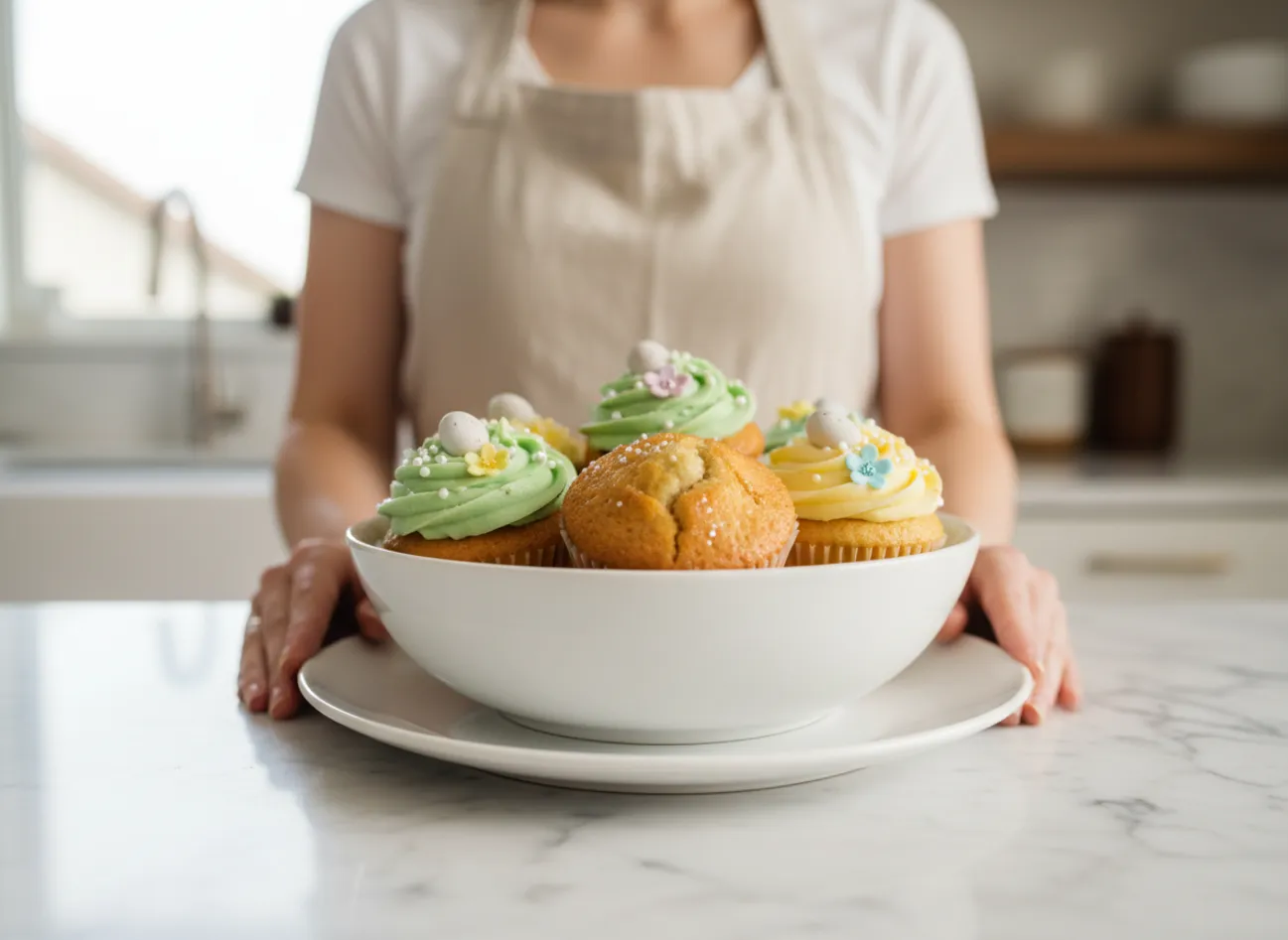
Fun and Easy Easter Cupcake Ideas
Now for the best part: decorating! This is where you can let your creativity run wild. You don’t need to be a professional pastry chef to create stunning spring-themed treats. Simple techniques and colorful candies can transform these cupcakes into edible works of art. These Easter cupcake ideas are designed to be fun for all ages and skill levels, making them a perfect family activity.
Coconut Bird’s Nest Toppers
One of the most classic Easter cupcake ideas is the bird’s nest. To make them, simply tint sweetened shredded coconut with a drop or two of green food coloring in a resealable bag and shake until the color is even. After frosting your cupcakes, dip the tops into the green coconut. Finally, press a few candy eggs (like jelly beans or chocolate eggs) into the center to complete the nest. It’s a simple, charming look that instantly says “spring.” The history of the cupcake itself is rooted in simple, individual portions, and this decoration keeps that charming simplicity alive.
Simple Bunny and Chick Designs
You can create cute animal faces with just a few simple additions. For a bunny, use mini marshmallows for chubby cheeks and cut a large marshmallow in half diagonally for the ears. Use sprinkles or a bit of black frosting for the eyes and nose. For a baby chick, tint your buttercream yellow. After frosting the cupcake, use orange sprinkles for a beak and two chocolate chips for the eyes. These designs are easy enough for even the youngest bakers to help with.
Tips for Baking Easter Cupcakes with Kids
Baking with children is a fantastic way to make lasting memories. It can also be a little messy, but with a bit of prep, it can be a smooth and enjoyable experience for everyone. The key is to embrace the imperfections and focus on the fun. These homemade Easter cupcakes are the perfect project for little helpers who are eager to get their hands dirty.
Setting Up Your Decorating Station
Preparation is everything when kids are involved. Before you bring out the cupcakes, set up a decorating station. Portion out the frosting into small bowls and divide the sprinkles, candies, and other toppings into a muffin tin or several small containers. This prevents the entire jar of sprinkles from ending up on one cupcake (or the floor). Give each child a tray or a sheet of parchment paper to work on to contain the mess.
Storing Your Finished Cupcakes
Once your beautiful Easter cupcakes are decorated, you’ll want to keep them fresh. Store them in an airtight container at room temperature for up to two days. If your kitchen is particularly warm or if you used a cream cheese-based frosting, it’s best to store them in the refrigerator. Just be sure to bring them back to room temperature for about 30 minutes before serving, as this allows the cake and frosting to soften for the best taste and texture.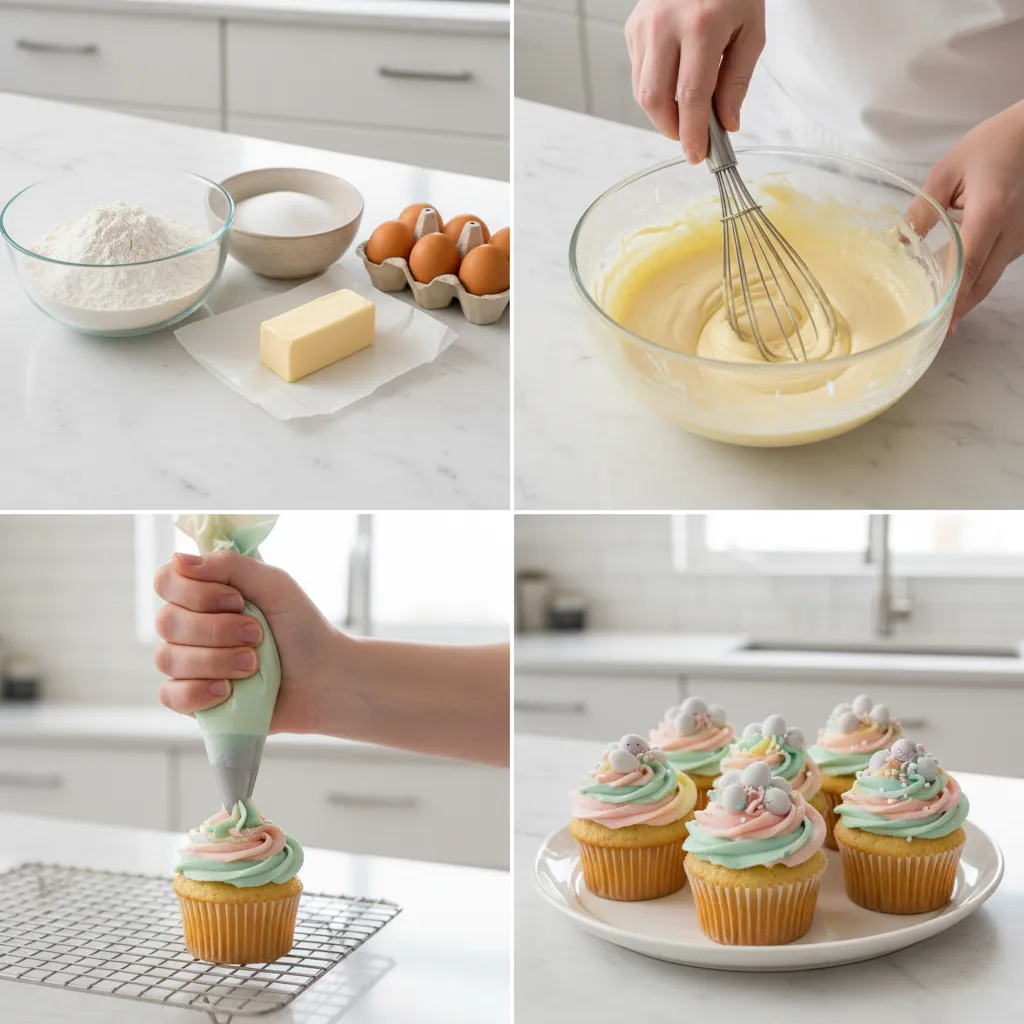
The Best Easter Cupcakes
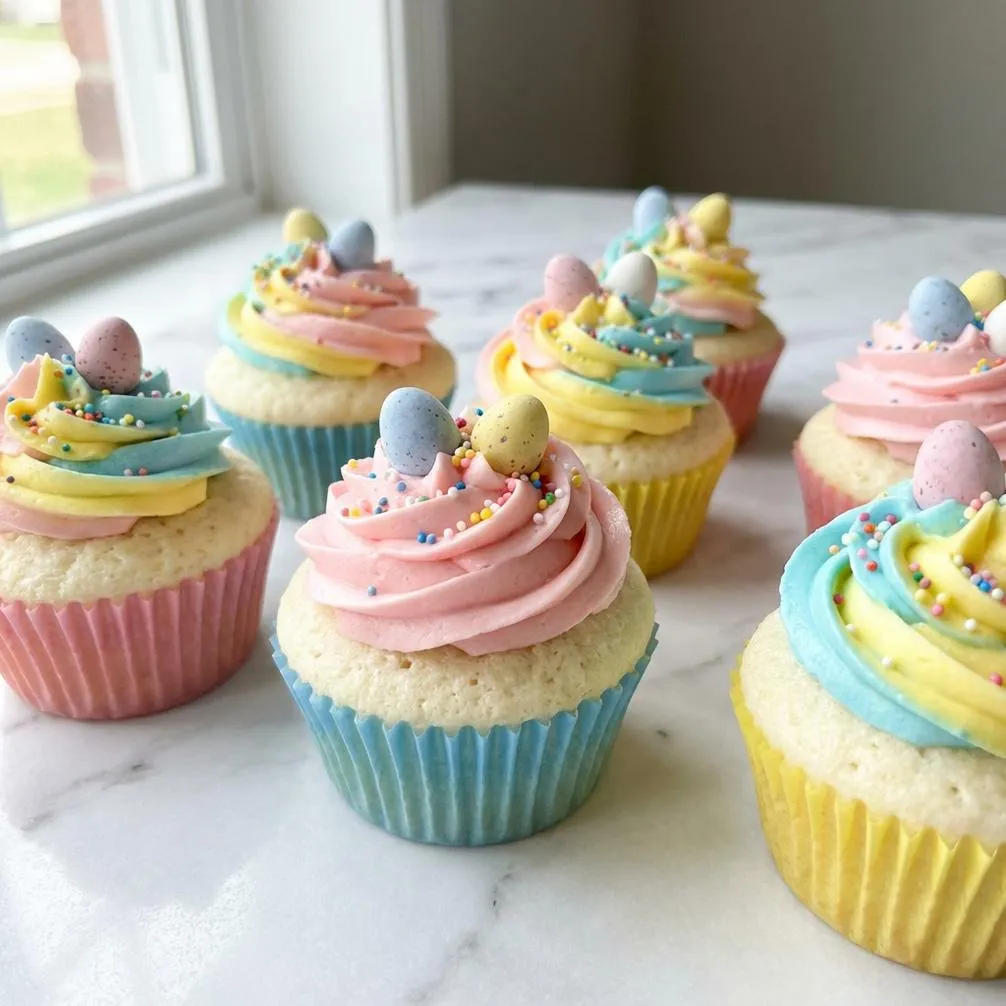
The Best Easter Cupcakes
Ingredients
- 1.5 cups cake flour
- 1.5 teaspoons baking powder
- ¼ teaspoon salt
- ½ cup unsalted butter softened, room temperature
- 1 cup granulated sugar
- 2 large eggs room temperature
- 2 teaspoons vanilla extract pure
- ½ cup buttermilk room temperature
- 1 cup unsalted butter for buttercream, softened, room temperature
- 3-4 cups powdered sugar sifted
- ¼ cup milk or heavy cream room temperature
- 1.5 teaspoons vanilla extract for buttercream
- pinch salt for buttercream
- as needed food coloring, sprinkles, candy eggs, shredded coconut for decorating
Instructions
- Step 1: Preheat and Prep
Preheat oven to 350°F (175°C). Line a 12-cup muffin tin with paper liners. - Step 2: Combine Dry Ingredients
Whisk together cake flour, baking powder, and salt. Set aside. - Step 3: Cream Butter and Sugar
Beat butter and granulated sugar on medium-high until pale and fluffy, about 3-4 minutes. - Step 4: Add Eggs and Vanilla
Add eggs one at a time, beating well after each addition. Beat in vanilla extract. - Step 5: Alternate Wet and Dry
On low speed, add dry ingredients in three parts, alternating with buttermilk in two parts, beginning and ending with dry ingredients. Mix just until combined; do not overmix. - Step 6: Fill and Bake
Fill liners about two-thirds full. Bake 18-20 minutes, until a wooden pick inserted comes out clean. Cool in pan a few minutes, then transfer to wire rack to cool completely. - Step 7: Make Buttercream
Beat butter on medium for 2-3 minutes until creamy. Gradually add 3 cups powdered sugar, alternating with milk, mixing on low. Add vanilla and salt, then beat on medium-high 3-5 minutes until light and fluffy. Adjust consistency with milk or sugar as needed. - Step 8: Color and Decorate
Divide frosting into bowls, tint with food coloring if desired. Frost cooled cupcakes and decorate with sprinkles, candy eggs, and shredded coconut.
Notes
Frequently Asked Questions
How do you make cupcakes moist?
To make cupcakes moist, use ingredients that add and retain moisture. This recipe uses a combination of butter for flavor and oil (which can be substituted for some butter) for moisture, along with buttermilk. The acid in buttermilk helps break down gluten, creating a more tender crumb. Also, be careful not to overbake the cupcakes, as that is a primary cause of dryness.
What is the best frosting for cupcakes?
The best frosting often depends on personal preference, but American buttercream is a popular and easy choice for cupcakes. It’s made from butter, powdered sugar, and a liquid like milk or cream. It’s stable, simple to color and flavor, and holds its shape well for piping and decorating, making it ideal for festive treats like Easter cupcakes.
Can I make Easter cupcakes ahead of time?
Yes, you can absolutely make them ahead of time. You can bake the cupcakes up to two days in advance and store them unfrosted in an airtight container at room temperature. The buttercream can also be made up to a week ahead and stored in an airtight container in the refrigerator. Just let it come to room temperature and re-whip it for a few minutes before using.
How do I store decorated Easter cupcakes?
Store decorated cupcakes in an airtight container at room temperature for up to two days. If your home is very warm or the frosting contains cream cheese, it’s safer to store them in the refrigerator. For the best taste and texture, allow refrigerated cupcakes to sit at room temperature for about 30 minutes before serving.
Conclusion
Baking these Easter cupcakes is about so much more than following a recipe. It’s a chance to slow down, create something beautiful with your hands, and share a sweet moment with the people you care about. From the tender vanilla cake to the creamy, colorful frosting, every bite is a little celebration of spring. I hope this recipe brings as much joy and delicious fun to your Easter gathering as it has to mine. Happy baking