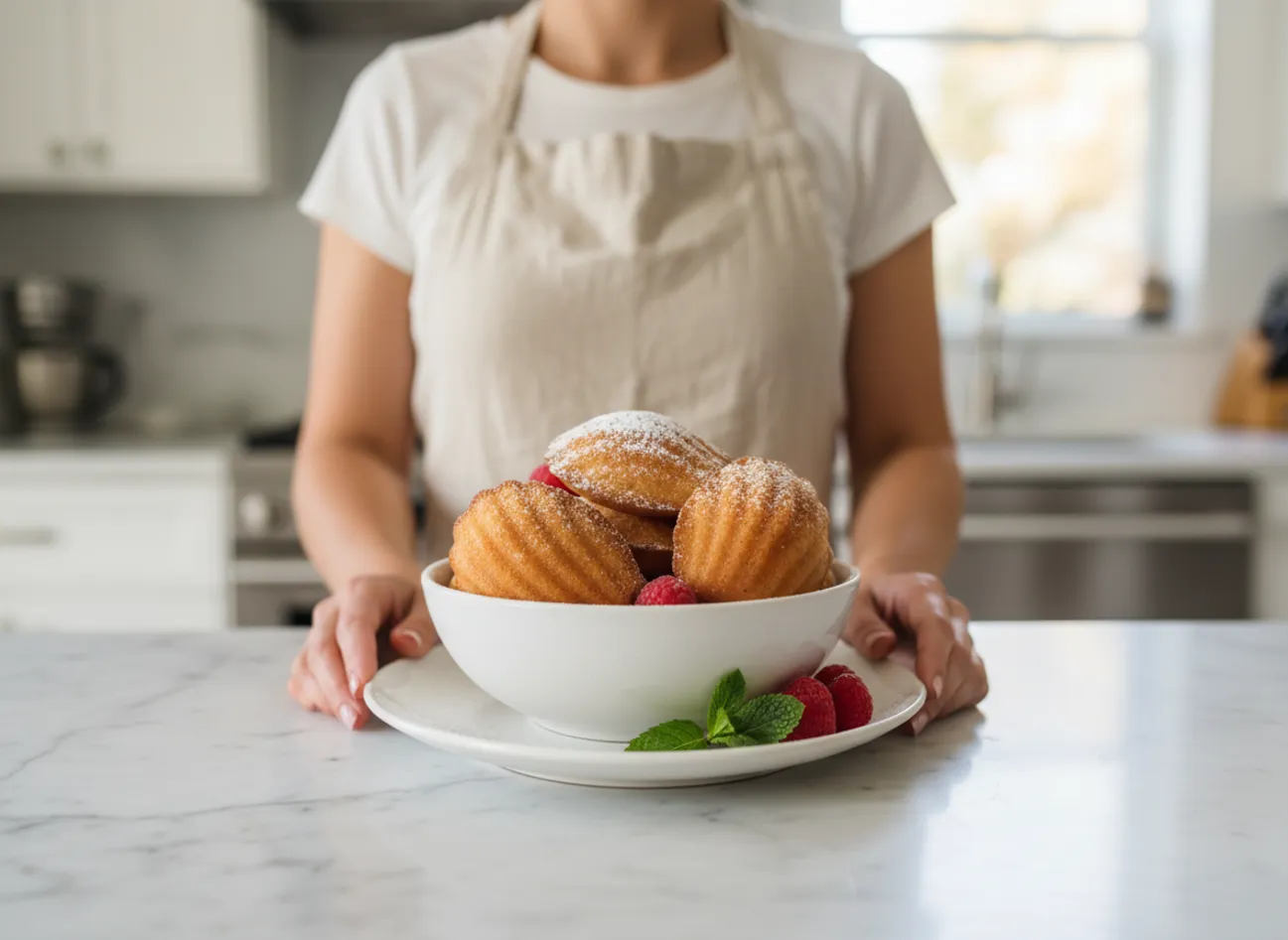
One of my most cherished memories involves a small, shell-shaped cookie my grandmother would make on special Sunday afternoons. The aroma of browned butter and lemon zest would fill her tiny kitchen, a signal that something truly wonderful was about to happen. Those were French Madeleines, and for years, I thought they were too fancy for a home cook like me. I was wrong. This classic French Madeleine recipe is surprisingly simple and brings that same nostalgic warmth right back to my own kitchen.
It turns out, the key to these delicate cake-like cookies isn’t some complex French technique; it’s about a few basic steps done correctly. This particular French Madeleine recipe is the one I’ve perfected over the years, guaranteeing that beautiful, signature hump every single time. While I love a good quick dessert, like a delicious mug cake for a speedy treat, taking just a little extra time for this French Madeleine recipe pays off in a big way. The result is a buttery, light, and utterly addictive cookie that will make you feel like a pastry chef.
The Secret to the Perfect French Madeleine Recipe
The charm of a Madeleine lies in its distinct appearance and texture. It’s a delicate balance between a sponge cake and a cookie, with a soft, airy interior and a slightly crisp, golden exterior. Achieving this balance is easier than you think. The two most important factors in any great French Madeleine recipe are the batter’s temperature and the oven’s heat, which work together to create the famous hump.
Why Chilling the Batter is Crucial
The single most important step for getting that iconic Madeleine hump is chilling the batter. After you mix the ingredients, the batter needs to rest in the refrigerator for at least an hour, though several hours or even overnight is better. This rest period does two things. First, it allows the flour to fully hydrate, resulting in a more tender crumb. Second, and most importantly, it creates a significant temperature difference between the cold batter and the hot oven. This thermal shock is what forces the center of the Madeleine to rise rapidly, forming the signature bump on the back. Do not skip this step; it is the foundation of a successful French Madeleine recipe.
The Magic of the Madeleine Hump
So, how does the chill create the hump? When you spoon the cold, thick batter into the hot, buttered pan, the edges begin to set almost immediately. The heat from the oven then travels toward the center of the batter. Because the outside is already firming up, the leavening agents (baking powder in this case) have nowhere to go but up. This rapid upward push creates that beautiful, rounded peak. It’s a simple bit of kitchen science that transforms a simple batter into a classic French pastry. A high initial oven temperature is also key to kickstarting this process.
Essential Ingredients for Classic Madeleines
One of the best things about making Madeleines is the simplicity of the ingredient list. You likely have everything you need in your pantry right now. Since there are so few components, using good-quality ingredients will make a noticeable difference in the final taste and texture of your cookies. This recipe stays true to the classic flavors that make these little cakes so beloved.
The Foundation: Flour, Sugar, and Eggs
The structure of the Madeleine comes from all-purpose flour, granulated sugar, and large eggs. I find that all-purpose flour provides the perfect balance of tenderness and structure. The eggs should be at room temperature, as this allows them to whip up with more volume, creating a lighter, airier batter. We beat the eggs and sugar together until they become pale and thick, which incorporates air that helps with the initial rise. This step is fundamental to the light texture we want.
The Flavor: Butter, Lemon, and Vanilla
The soul of a Madeleine is its rich, buttery flavor. I use unsalted butter and melt it gently, allowing it to cool slightly before incorporating it into the batter. Some recipes call for browned butter, which adds a wonderful nutty note, but for this classic French Madeleine recipe, simple melted butter is perfect. To complement the butter, a teaspoon of pure vanilla extract and the finely grated zest of one lemon add brightness and a beautiful aroma. The lemon zest cuts through the richness of the butter, making the Madeleines feel light and refreshing.
Simple Steps on How to Make Madeleines
Learning how to make Madeleines is a straightforward process. Once you understand the core principles of chilling the batter and using a hot oven, the rest is just simple mixing and baking. The entire active process takes no more than 20 minutes, with the majority of the time dedicated to letting the batter rest. This makes it a great recipe to prepare in advance.
Preparing Your Madeleine Pan
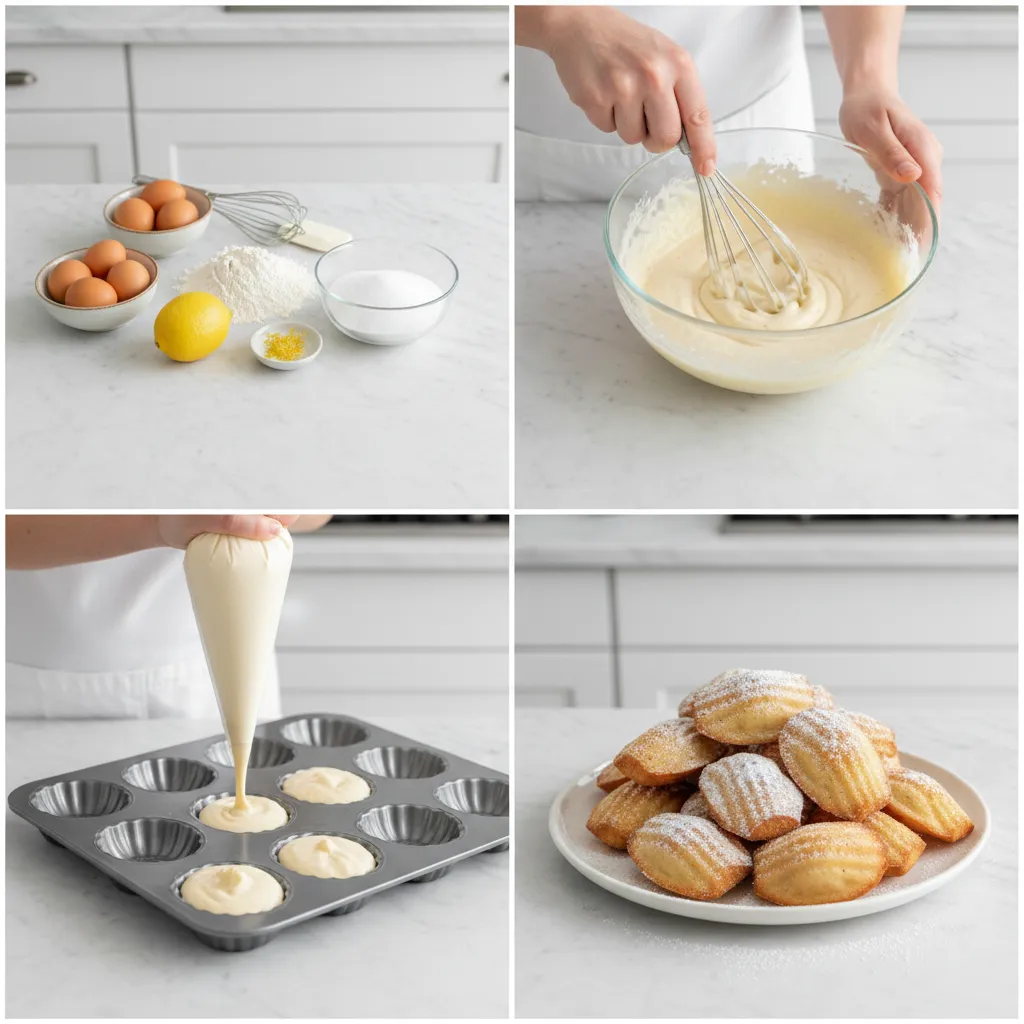
A special Madeleine pan, with its distinctive shell-shaped indentations, is necessary for this recipe. To prevent the delicate cakes from sticking, you must prepare the pan properly. The best method is to brush the molds generously with melted butter, then dust them lightly with flour. Tap out any excess flour, leaving a thin, even coating. I like to do this and then chill the pan in the freezer for about 10 minutes while the oven preheats. The cold, buttered pan further contributes to the thermal shock that helps form the hump and also aids in a clean release of the cookies after baking. This preparation is a critical part of how to make Madeleines successfully.
Mixing and Baking the Batter
The batter itself comes together quickly. You’ll start by whisking the eggs and sugar until they are light and fluffy. Next, you gently fold in the dry ingredients—flour, baking powder, and salt—being careful not to overmix and deflate the air you just incorporated. Finally, you’ll fold in the cooled melted butter, lemon zest, and vanilla. The batter will be thick and glossy. At this point, it goes into the refrigerator to chill. Once chilled, you simply spoon the batter into your prepared pan and bake until the edges are golden and the centers spring back when touched. The history of these little cakes is quite charming; you can read more about the Madeleine and its origins in French culture.
Tips for Your Best French Madeleine Recipe Yet
After making countless batches, I’ve gathered a few extra tips and tricks that help produce perfect results every time. From storage suggestions to fun flavor ideas, these pointers will help you master this classic French Madeleine recipe and make it your own. Remember, practice makes perfect, but these little cakes are quite forgiving.
Storing Your Freshly Baked Madeleines
Madeleines are undeniably at their best the day they are baked, ideally still slightly warm from the oven. Their delicate, crisp edges soften over time. However, if you have leftovers, you can store them in an airtight container at room temperature for up to two days. They will lose some of their crispness but will still be delicious. I do not recommend refrigerating them, as it can dry them out. For a quick refresh, you can warm them in a toaster oven for a minute or two to help bring back some of their original texture.
Flavor Variations to Try
While the classic lemon and vanilla combination is timeless, this French Madeleine recipe serves as a wonderful base for other flavors. For a change, you can swap the lemon zest for orange zest. You can also add a tablespoon of cocoa powder with the flour for a chocolate version. Another popular variation is to add a half-teaspoon of almond extract along with the vanilla. For a finishing touch, you can dip the cooled Madeleines in melted dark chocolate or simply dust them with a little powdered sugar before serving.
French Madeleine Recipe
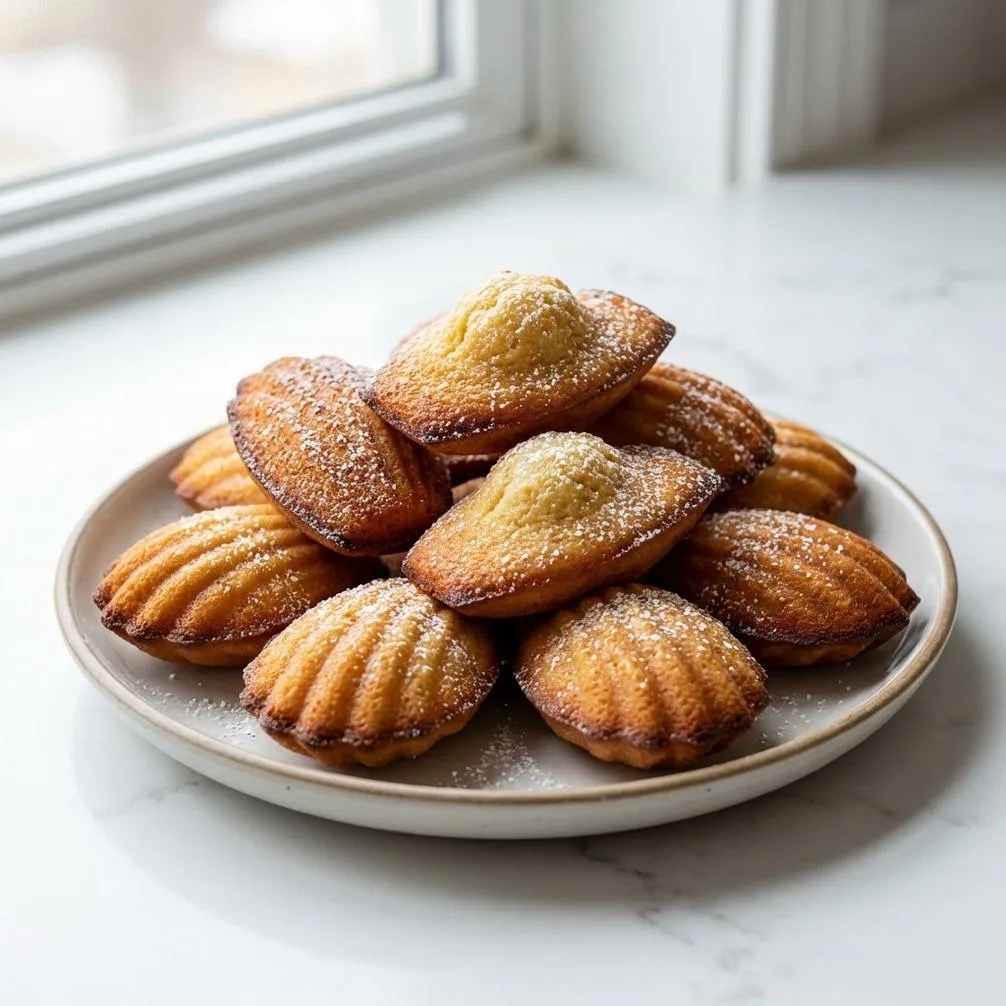
French Madeleine
Ingredients
Madeleine Batter
- 0.5 cup unsalted butter melted and cooled, plus more for greasing
- 0.667 cup all-purpose flour plus more for dusting
- 0.5 teaspoon baking powder
- 0.25 teaspoon salt
- 2 large eggs room temperature
- 0.5 cup granulated sugar
- 1 teaspoon vanilla extract
- 1 teaspoon lemon zest finely grated
Instructions
- Brush madeleine pan molds with melted butter, dust with flour, and place in freezer to chill.
- Melt 1/2 cup butter in a small saucepan over low heat and let cool to room temperature.
- Whisk together flour, baking powder, and salt in a small bowl; set aside.
- Beat eggs and sugar on medium-high speed for 5–7 minutes until pale, thick, and ribbon-like. Mix in vanilla and lemon zest.
- Gently fold in dry ingredients in two batches, then fold in cooled melted butter until just combined. Cover and refrigerate for at least 1 hour.
- Preheat oven to 375°F (190°C). Spoon about 1 tablespoon of chilled batter into each mold, filling 3/4 full. Bake 9–11 minutes until edges are golden and centers form a hump.
- Tap pan to release madeleines and transfer to a wire rack to cool slightly. Serve warm.
Notes
Frequently Asked Questions
Why do my Madeleines not have a hump?
The most common reason for flat Madeleines is not chilling the batter long enough. The temperature shock between the cold batter and the hot oven is what creates the hump. Make sure to chill the batter for at least one hour and preheat your oven properly. Also, ensure your baking powder is fresh.
Can you make Madeleine batter ahead of time?
Yes, you can. In fact, making the batter ahead of time is recommended. You can prepare the batter and store it in an airtight container in the refrigerator for up to 48 hours. This extended chilling period can actually result in a more pronounced hump and a deeper flavor.
What can I use if I don’t have a Madeleine pan?
While a Madeleine pan is needed for the classic shell shape, you can still bake the batter in a mini muffin tin. The taste will be the same, but you will miss out on the signature shape and the delicate, crisp edges. Bake for a similar amount of time, keeping an eye on them as they may cook slightly faster.
How do I keep my Madeleines from sticking to the pan?
Properly greasing and flouring the pan is key. Use melted butter and a pastry brush to get into every crevice of the molds. After buttering, add a light dusting of flour and tap out the excess. Chilling the prepared pan in the freezer for 10 minutes before adding the batter also helps create a non-stick surface.
Conclusion
This French Madeleine recipe is more than just a set of instructions; it’s an invitation to create a small moment of joy in your kitchen. These buttery, shell-shaped cakes look impressive, but as you’ve seen, they come together with just a handful of simple ingredients and a little bit of patience. The reward is a warm, delicate treat that is perfect with a cup of tea or coffee. I hope you give this recipe a try and that it brings as much happiness to your home as it does to mine.