There’s something magical about a warm, freshly baked madeleine. The first time I tried one was at a small Parisian café, and that delicate, shell-shaped cookie with its signature hump instantly captured my heart. It was light, buttery, and tasted of simple elegance. I spent years perfecting my own Classic French Madeleines Recipe to recreate that moment. This recipe isn’t just about baking; it’s about bringing a small piece of French patisserie into your own home.
Unlike some complex baking projects, this Classic French Madeleines Recipe is surprisingly straightforward. The key is in the technique, which I’ll walk you through step by step. While these little cakes require a bit of oven time, they are well worth the effort. Of course, for days when you need a treat without turning on the oven, you can always find joy in some easy no-bake desserts. However, when you want to create something truly special, this is the recipe you need. This guide is designed to help you master the Classic French Madeleines Recipe and get that perfect hump every single time.
What Makes a Classic French Madeleines Recipe Special?
The madeleine is more than just a small cake; it’s an icon of French baking. Its distinct shell shape and tender crumb set it apart from other treats. What truly defines this particular Classic French Madeleines Recipe, however, are two key characteristics that bakers strive to achieve: the signature hump and a melt-in-your-mouth texture. These elements are the result of specific techniques and ingredient temperatures working together in harmony.
Getting these details right transforms a simple sponge cake into a true madeleine. The process itself is a rewarding experience, as you watch simple ingredients like flour, butter, and eggs turn into something extraordinary. The aroma of them baking is reason enough to try this recipe.
The Signature Hump (La Bosse)
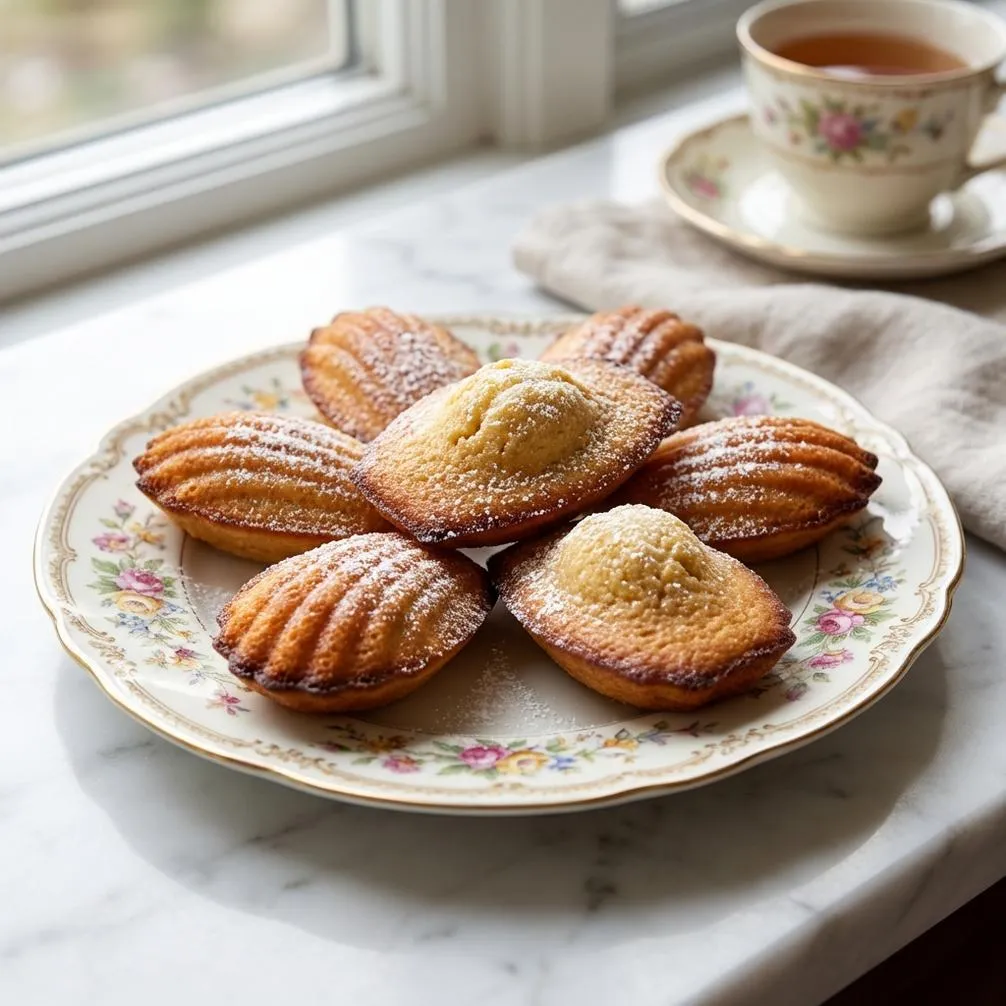
The most sought-after feature of a perfect madeleine is its prominent hump, known in French as la bosse. This bump is not just for looks; it’s a sign of a well-made batter and correct baking temperatures. The hump forms due to a thermal shock: a very cold batter hitting a hot oven. The outside of the cake sets quickly while the inside continues to rise, pushing upwards and creating that classic peak.
To achieve this, you must chill the batter for at least an hour, or even overnight. This resting period allows the gluten to relax and the flavors to deepen. Additionally, preheating your oven and madeleine pan properly is crucial for creating the temperature contrast needed for the hump to form.
The Delicate, Buttery Texture
Beyond the hump, a madeleine should be incredibly light and tender with a rich, buttery flavor. The texture is a delicate balance between a cookie and a cake. It has a slightly crisp, golden edge from the pan, which gives way to a soft, airy interior. This is achieved by gently folding the dry ingredients into the wet ones, being careful not to overmix.
Overmixing develops too much gluten, resulting in a tough, dense cake rather than a delicate one. The butter, preferably browned for extra flavor, adds moisture and richness that makes these little cakes so addictive. When you follow this Classic French Madeleines Recipe, you’ll notice the fine, even crumb that signifies a perfectly made treat.
Essential Ingredients for Your Madeleine Recipe
While the ingredient list for madeleines is simple, the quality of each component makes a significant difference. You don’t need exotic items, but using fresh, high-quality ingredients will give you the best results. This recipe relies on the pure flavors of butter, eggs, sugar, and flour to shine.
Think of it as a minimalist approach to baking, where every ingredient has a purpose and contributes directly to the final taste and texture. Choosing the right ones is the first step toward baking success.
The Role of Browned Butter (Beurre Noisette)
To give your madeleines a deeper, nuttier flavor, I highly recommend using browned butter, or beurre noisette. The process involves melting butter and continuing to cook it until the milk solids toast and turn a golden brown. This simple step adds a wonderful complexity that plain melted butter cannot match.
As the butter browns, it will release a rich, nutty aroma. Be sure to watch it carefully, as it can go from perfectly browned to burnt in a matter of seconds. Once it reaches a beautiful amber color, immediately remove it from the heat and pour it into a separate bowl to stop the cooking process.
Quality Eggs and Flour Matter
Since this recipe has so few ingredients, the quality of your eggs and flour is important. Use large, room-temperature eggs. Room temperature eggs whip up with more volume, creating a lighter batter. You’ll beat the eggs and sugar together until they become pale and thick, which is a key step for creating the cake’s structure.
For the flour, all-purpose flour works perfectly. Sifting the flour with the baking powder is a small but vital step. Sifting aerates the flour and removes any lumps, which helps create a smoother batter and a more delicate crumb. This small action helps ensure your madeleines are light and airy, just as they should be.
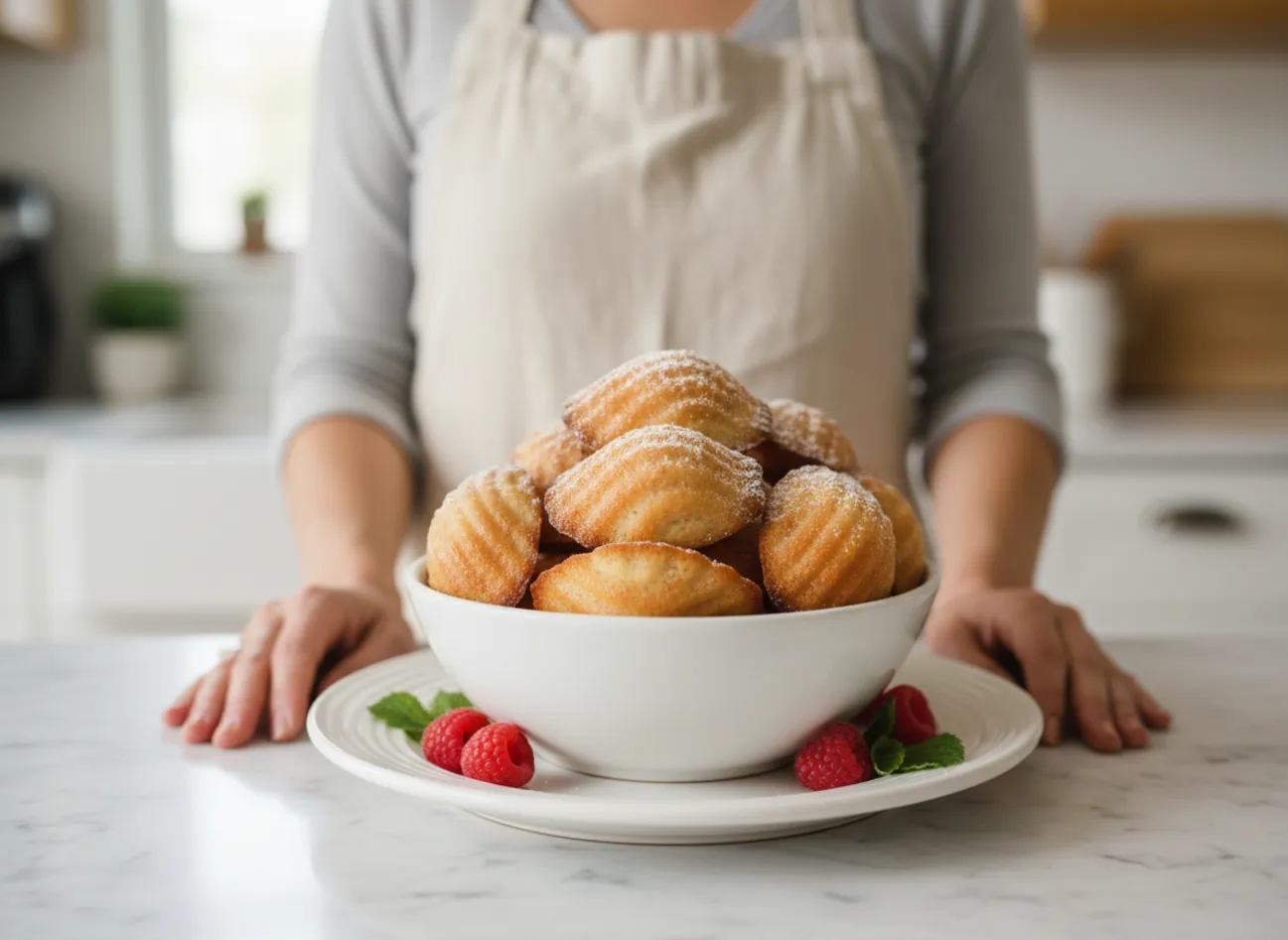
Mastering the Authentic Madeleine Recipe Technique
Baking an authentic madeleine recipe is all about technique. The ingredients are simple, but how you combine and handle them determines the outcome. From chilling the batter to properly preparing the pan, each step is a building block toward achieving those perfect, shell-shaped cakes. This is where patience pays off.
Don’t rush the process. French patisserie is built on precision and respect for the ingredients. By following these techniques, you are not just mixing batter; you are participating in a long-standing baking tradition. Let’s look at the critical steps that make all the difference.
The Importance of Chilling the Batter
As mentioned earlier, chilling the batter is the secret to getting that signature hump. This step is non-negotiable. After you prepare the batter, you must cover it and let it rest in the refrigerator for at least one hour, and up to 24 hours. The longer it chills, the more pronounced the hump will be and the more the flavors will develop.
This resting period allows the flour to fully hydrate and the gluten to relax, which contributes to the tender texture. A well-chilled, thick batter creates the perfect thermal shock when it hits the hot oven, forcing the center to rise dramatically. This is the magic behind an authentic madeleine recipe.
A Nod to French Patisserie Tradition
Madeleines hold a special place in French culture, famously referenced in Marcel Proust’s novel In Search of Lost Time. They are a cornerstone of home baking and patisserie, representing simple elegance and nostalgia. They are part of a long list of French desserts that have captivated the world with their refined flavors and beautiful presentation.
By making them at home, you are connecting with a rich culinary history. Every step, from browning the butter to piping the batter into the shell-shaped molds, is part of a tradition passed down through generations. This authentic madeleine recipe helps you carry on that wonderful tradition in your own kitchen.
Tips for Perfect French Madeleines Every Time
Once you have your batter chilled and ready, the final steps are all about the bake. A few simple tips can help you get consistent, beautiful results every time you make this recipe. Success is often found in the small details, like how you prepare your pan and how you gauge doneness.
With a little practice, these steps will become second nature, and you’ll be turning out perfect batches of madeleines to share with family and friends. Pay attention to these final details for flawless execution.
Preparing Your Madeleine Pan
Properly preparing your madeleine pan is essential to prevent the delicate cakes from sticking. Even if you have a non-stick pan, I recommend buttering and flouring it. Use softened butter and a pastry brush to coat each shell mold completely, getting into all the little ridges.
After buttering, lightly dust the molds with flour. Tap the pan to distribute the flour evenly, then turn it upside down and tap out any excess. This butter-and-flour barrier creates a non-stick surface that also helps the madeleines develop a fine, crisp golden crust. For an extra measure, you can chill the prepared pan in the freezer for 10 minutes before filling.
How to Know When They’re Done
Madeleines bake very quickly, usually in about 8-11 minutes. Keep a close eye on them. You’ll know they’re done when the edges are golden brown and the centers spring back when you lightly touch them. The signature hump will have formed midway through the baking process.
Do not overbake them, as they can dry out quickly. As soon as they are done, immediately invert the pan onto a wire rack. If you prepared the pan correctly, they should fall right out. Let them cool slightly on the rack. Madeleines are best enjoyed the same day they are made, preferably while still a little warm.
Classic French Madeleines Recipe
Classic French Madeleines
Ingredients
Madeleine Batter
- 0.75 cup unsalted butter plus extra for greasing, 170g
- 1.25 cups all-purpose flour plus extra for dusting, 150g
- 0.5 teaspoon baking powder
- 0.25 teaspoon salt
- 3 large eggs room temperature
- 0.667 cup granulated sugar 135g
- 1 teaspoon vanilla extract
- 1 tablespoon honey optional, for moisture and color
- 1 zest lemon optional, for flavor
Instructions
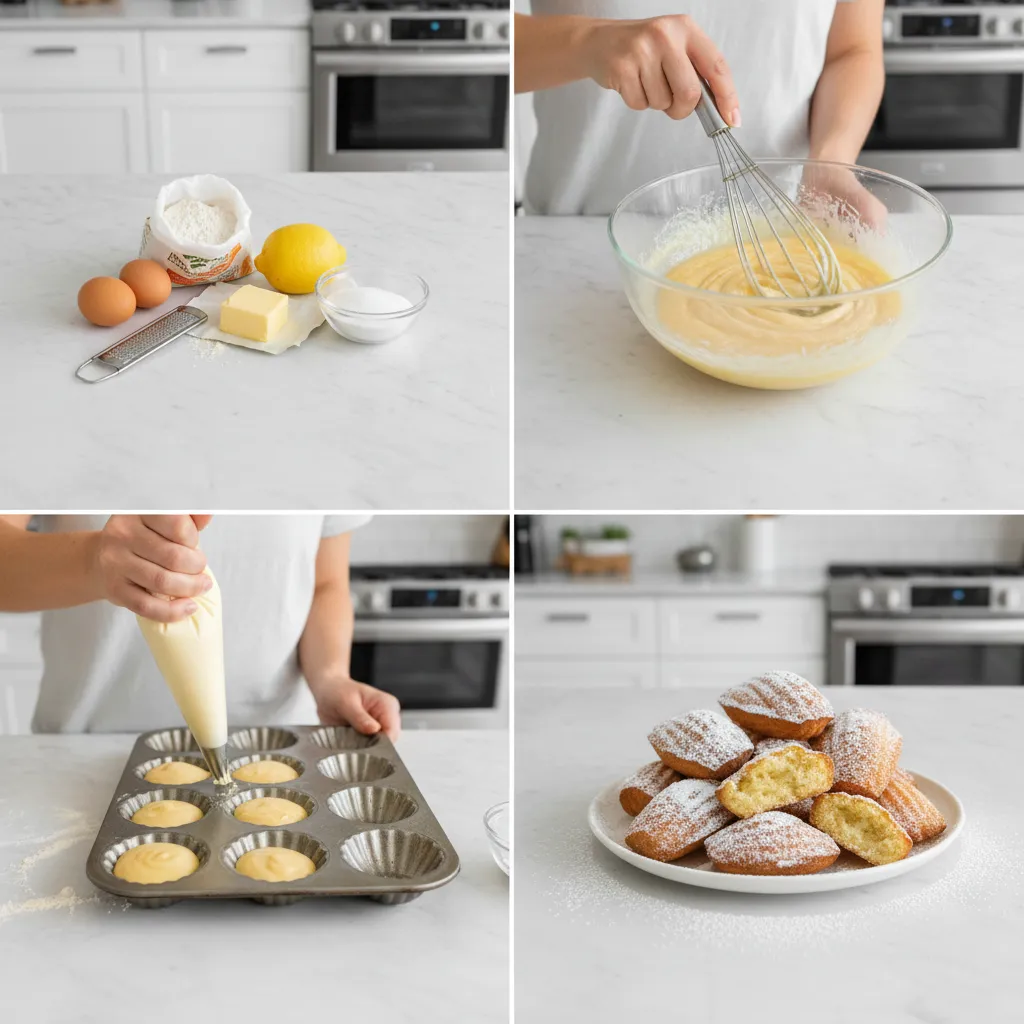
- Melt the butter in a small saucepan over medium heat, swirling occasionally until the milk solids turn golden and it smells nutty. Pour into a heatproof bowl and let cool slightly.
- Whisk together flour, baking powder, and salt in a medium bowl; set aside.
- In a large bowl, beat eggs and granulated sugar with an electric mixer on high for 5–7 minutes until pale, thick, and ribbony. Mix in vanilla, honey, and lemon zest if using.
- Sift half the dry ingredients over the egg mixture and fold gently. Sift the remaining dry ingredients and fold again. Fold in the cooled browned butter until incorporated. Cover and refrigerate for at least 1 hour.
- Preheat oven to 375°F (190°C). Grease and flour a madeleine pan. Spoon or pipe batter into molds, filling 3/4 full. Bake 9–11 minutes until edges are golden and centers spring back.
- Immediately turn the madeleines out onto a wire rack to cool.
Notes
Frequently Asked Questions
1. Why didn’t my madeleines get a hump?
The most common reason for hump-less madeleines is the lack of temperature difference between the batter and the oven. To get that signature “bosse,” your batter must be very cold and your oven must be properly preheated. Be sure to chill the batter for at least one hour and place it directly into a hot oven.
2. Can I make madeleine batter ahead of time?
Yes, you absolutely can. In fact, making the batter ahead of time is recommended. You can prepare the batter and store it, covered, in the refrigerator for up to 24 hours. This long chilling period helps the flavors develop and gives you an even better chance of achieving a prominent hump.
3. What is the best way to store madeleines?
Madeleines are best enjoyed fresh, on the day they are baked, ideally while still slightly warm. If you have leftovers, store them in an airtight container at room temperature for up to two days. They will lose some of their crisp edges but will still be delicious.
4. Do I need a special pan to make madeleines?
Yes, to get the classic shell shape, you will need a special madeleine pan. These pans have shell-shaped molds that give the cookies their iconic look. They are widely available online and in most kitchen supply stores and are a worthwhile investment if you plan to make these treats often.
Conclusion
This Classic French Madeleines Recipe is a journey into the heart of French baking. With just a few simple ingredients and a little technique, you can create these elegant, buttery cakes in your own kitchen. The satisfaction of seeing those perfect humps rise in the oven is a reward in itself.
So, take your time, enjoy the process, and get ready to fill your home with the incredible aroma of freshly baked madeleines. I hope this recipe brings as much joy to your table as it does to mine. Happy baking