There are certain desserts that just feel like a warm hug, and for my family, this To Die for Carrot Cake is at the top of that list. I remember my grandmother grating carrots by hand, the sweet smell of cinnamon and nutmeg filling her small kitchen. She would always say the secret was in the love, but she also had a few practical tricks up her sleeve. This is more than just a recipe; it’s a collection of those memories, refined over years into what I believe is the perfect carrot cake. It’s the cake I make for birthdays, for Easter, and sometimes, just for a Tuesday. It’s moist, perfectly spiced, and crowned with a luscious cream cheese frosting that truly makes it a To Die for Carrot Cake.
This recipe is a staple for family gatherings, often served after a hearty main course. If you are planning a special meal, you might find an easy recipe for slow cooker lemon herb chicken and rice makes a wonderful pairing, leaving you plenty of time to focus on this spectacular dessert. This cake is simple enough for a beginner but delivers a result that will have everyone asking for your secret. So let’s bake a truly To Die for Carrot Cake together.
What Makes This To Die for Carrot Cake Special?
Many recipes claim to be the best, but this To Die for Carrot Cake stands out because it focuses on the fundamentals. The magic is in the details: the texture of the carrots, the balance of spices, and the specific ingredients that work together to create a memorable dessert. We avoid complicated steps and focus on techniques that give you the best possible result every time. The goal is a cake that is rich in flavor but light in texture.
Tip 1: Finely Grated Carrots Are Key
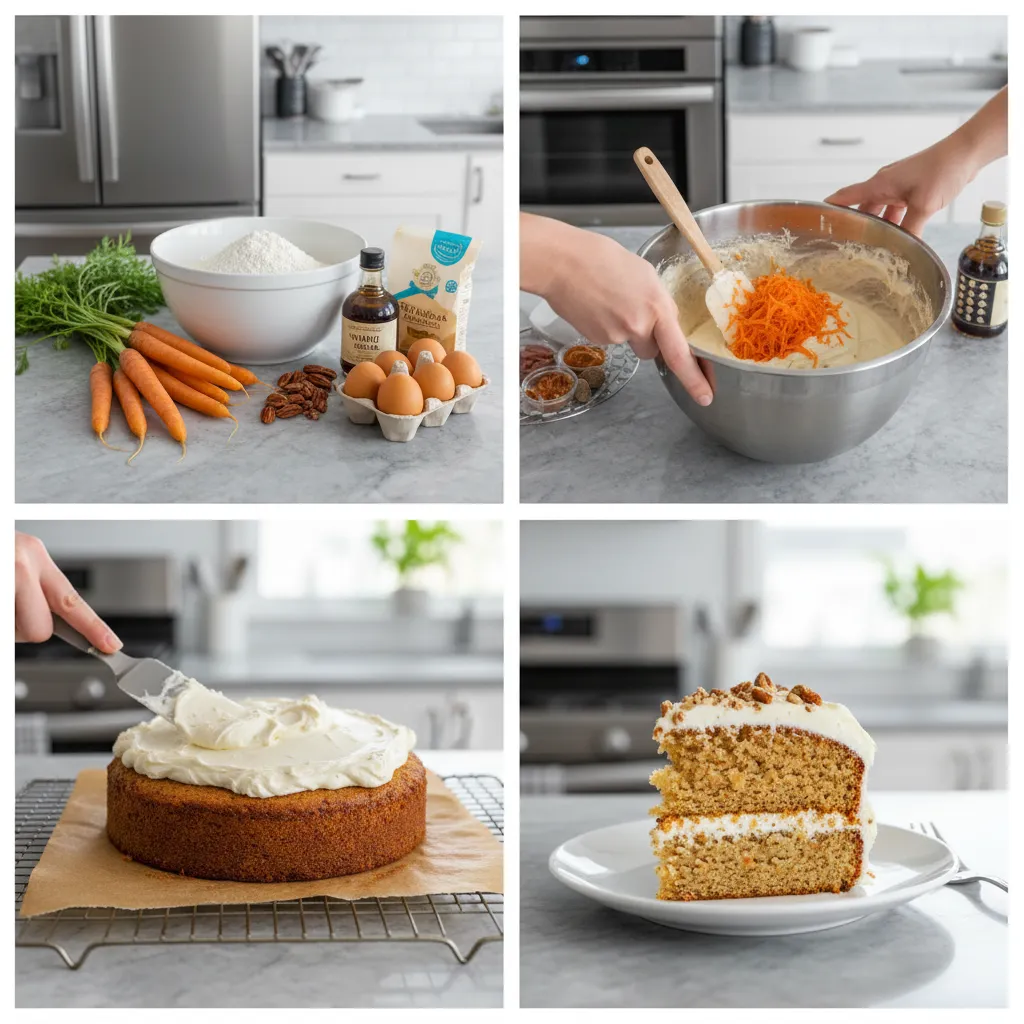
The single most important element in a great carrot cake is, of course, the carrots. However, how you prepare them makes a huge difference. Avoid the pre-shredded, bagged carrots from the store. They are often thick and dry, which will not blend seamlessly into your batter. Instead, take a few extra minutes to grate them yourself. Use the fine side of a box grater or a food processor with the fine shredding disc. Finely grated carrots melt into the cake as it bakes, releasing moisture and sweetness without leaving behind a stringy or overly vegetal texture. This step alone transforms a good carrot cake into a great one.
The Perfect Spice Blend
A carrot cake without a warm, inviting spice blend is just a sweet vegetable cake. The combination of spices is what gives this dessert its signature flavor. I find that a trio of cinnamon, nutmeg, and ginger provides the perfect balance. Cinnamon is the dominant flavor, offering warmth and sweetness. Nutmeg adds a deep, woody note, while a touch of ginger provides a subtle, zesty kick that brightens the other flavors. Be sure your spices are fresh, as old spices lose their potency and will not give your cake the aromatic punch it deserves.
Achieving an Incredibly Moist Carrot Cake
One of the defining characteristics of a truly To Die for Carrot Cake is its incredible moisture. A dry, crumbly carrot cake is a disappointment we want to avoid at all costs. Two simple principles are at the core of achieving a tender, moist crumb that stays fresh for days: the right kind of fat and the right mixing technique. Following these guidelines will give you a consistently perfect texture.
Tip 2: Oil vs. Butter: Why Oil Wins
While butter adds wonderful flavor to many cakes, oil is the superior choice for carrot cake. Why? Because oil is 100% fat, whereas butter contains both fat and water. The pure fat from the oil coats the flour proteins, which limits gluten development and results in a more tender crumb. Additionally, oil is liquid at room temperature, which means your cake will remain soft and moist even after being refrigerated—a necessity for any cake with cream cheese frosting. I recommend a neutral oil like canola, vegetable, or grapeseed oil so it doesn’t interfere with the cake’s spice and carrot flavors.
Don’t Overmix the Batter
This advice applies to most cake recipes, but it is especially critical here. Once you combine the wet and dry ingredients, you want to mix them only until they are just incorporated. Overmixing develops the gluten in the flour, which leads to a tough, dense, and even rubbery cake. Mix on low speed or by hand with a spatula. Stop as soon as you no longer see streaks of flour. A few small lumps are perfectly fine. This gentle approach preserves the cake’s light, tender structure.
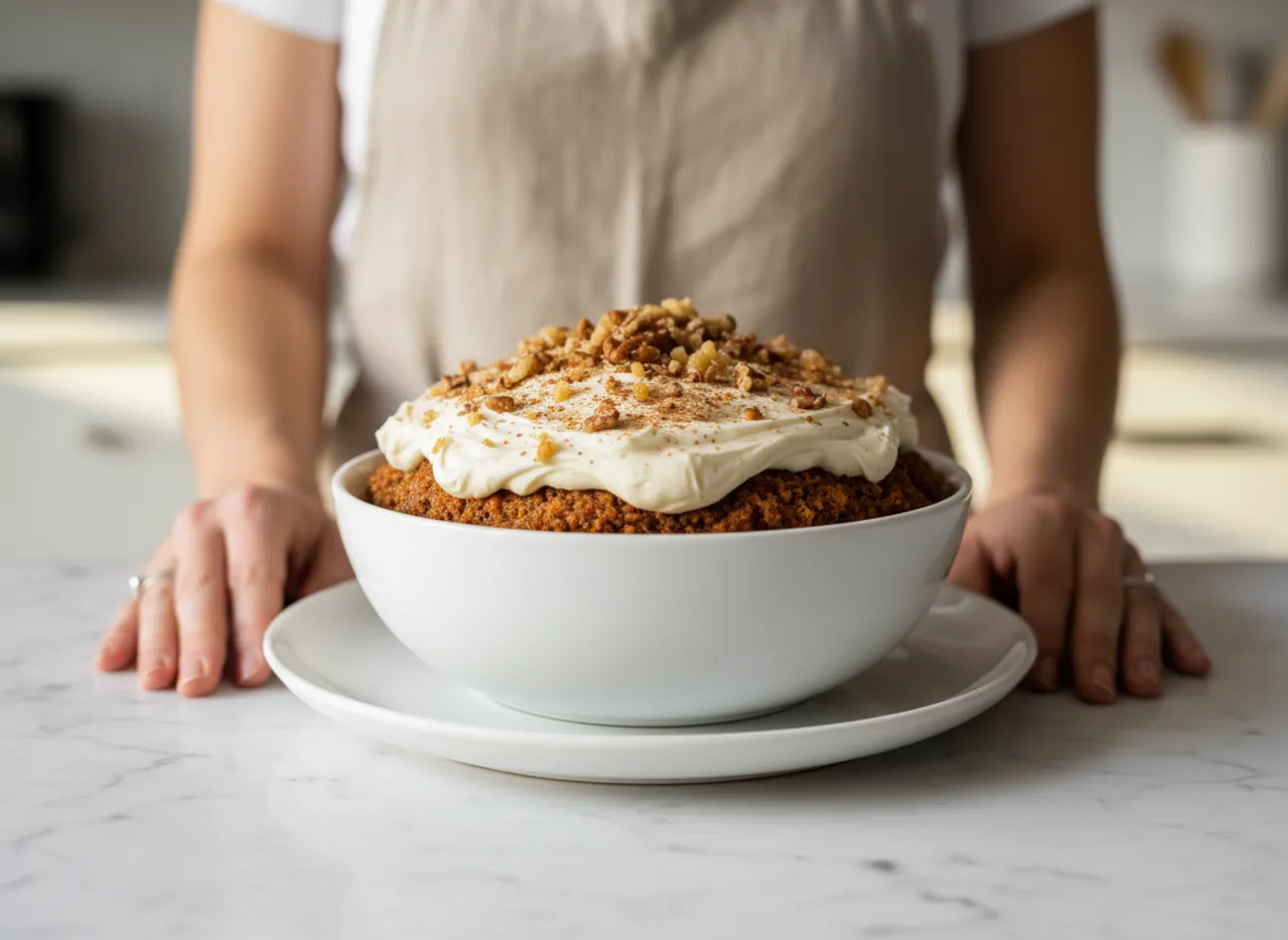
Creating the Best Carrot Cake Recipe Frosting
The frosting is not just a topping; it’s an essential partner to the spiced cake. The tangy, sweet, and creamy profile of a classic cream cheese frosting cuts through the richness of the cake, creating a perfect balance in every bite. Making the best carrot cake recipe frosting is easy, but a few details make all the difference between a smooth, luscious frosting and a runny or lumpy one. The history of this cake is fascinating, with modern versions becoming popular in the mid-20th century, often including this signature topping. For more on its origins, you can read about the history of carrot cake and its evolution.
Tip 3: The Classic Cream Cheese Frosting
For a truly decadent frosting, always use full-fat, block-style cream cheese. The kind sold in tubs contains more water and stabilizers, which can make your frosting thin and difficult to spread. The combination of cream cheese and unsalted butter creates a rich base. Powdered sugar provides sweetness and structure, while a splash of vanilla extract and a tiny pinch of salt round out the flavor. This simple combination is classic for a reason—it just works.
Room Temperature Ingredients Matter
This is a non-negotiable step for a perfectly smooth cream cheese frosting. Your butter and cream cheese must be at room temperature. If they are too cold, they will not combine properly, leaving you with small lumps throughout your frosting. If the butter is too warm or melted, your frosting will be greasy and runny. Let them sit on the counter for about an hour before you begin mixing. This allows them to whip into a light, fluffy, and completely smooth consistency, perfect for slathering between your cake layers.
Tips for Assembling Your Perfect Carrot Cake
Once your cake layers are baked and your frosting is whipped, the final assembly brings everything together. A beautifully assembled cake is as much a treat for the eyes as it is for the palate. With a little patience, you can create a professional-looking cake right in your own kitchen. These final touches are what complete this To Die for Carrot Cake.
Cooling the Cake Layers Completely
I cannot stress this enough: your cake layers must be 100% cool before you even think about frosting them. Even a slightly warm cake will melt the cream cheese frosting into a soupy mess. After the cakes come out of the oven, let them cool in their pans for about 15-20 minutes before inverting them onto a wire rack. Then, allow them to cool completely to room temperature, which can take at least an hour. If you are in a hurry, you can place the cooled layers in the refrigerator for 30 minutes to firm them up before frosting.
Optional Add-Ins for Texture
While this recipe is fantastic as is, you can easily customize it with a few add-ins. If you enjoy a bit of crunch, toasted nuts are a classic addition. Pecans and walnuts are the most popular choices. Simply fold about one cup of chopped, toasted nuts into the batter at the very end. Some people also love adding drained, crushed pineapple for extra moisture and a touch of tropical flavor. You can also add raisins, though I recommend soaking them in hot water for 10 minutes first to plump them up so they don’t draw moisture from the cake.
To Die for Carrot Cake
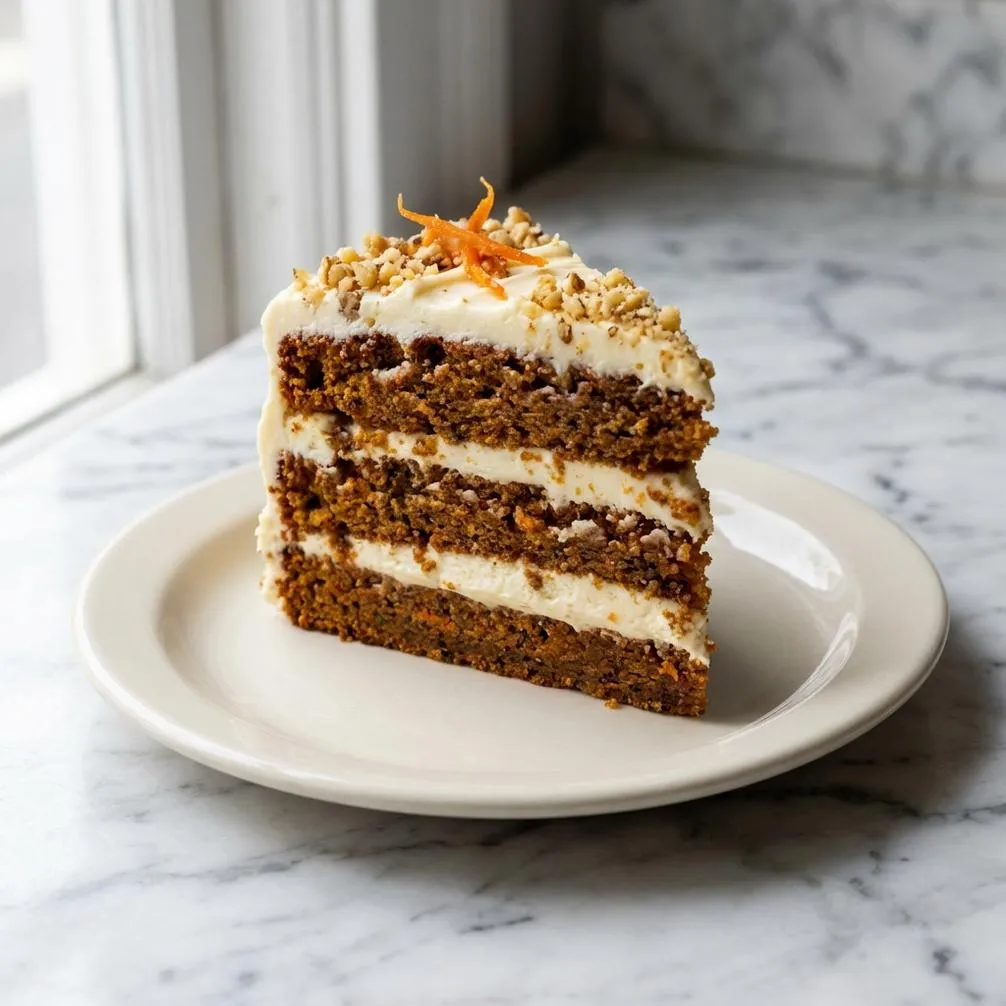
To Die for Carrot Cake
Ingredients
Carrot Cake
- 2.5 cups all-purpose flour
- 2 tsp baking soda
- 1 tsp baking powder
- 0.5 tsp salt
- 2 tsp ground cinnamon
- 1 tsp ground nutmeg
- 0.5 tsp ground ginger
- 4 large eggs room temperature
- 1.5 cups granulated sugar
- 0.5 cup light brown sugar packed
- 1.25 cups vegetable oil
- 2 tsp vanilla extract
- 3 cups finely grated carrots about 4-5 medium carrots
Cream Cheese Frosting
- 16 oz full-fat cream cheese room temperature
- 1 cup unsalted butter room temperature
- 4 cups powdered sugar sifted
- 2 tsp vanilla extract
- 0.125 tsp salt
Notes
Frequently Asked Questions
What makes carrot cake so moist?
The primary sources of moisture in this To Die for Carrot Cake are the vegetable oil and the carrots themselves. Oil creates a tender crumb that stays soft even when cold, while the finely grated carrots release their natural moisture as the cake bakes.
Can I make this carrot cake recipe ahead of time?
Absolutely. You can bake the cake layers up to two days in advance. Let them cool completely, then wrap them tightly in plastic wrap and store them at room temperature. The frosting can also be made ahead and stored in an airtight container in the refrigerator for up to a week. You can also freeze the unfrosted cake layers for up to 3 months.
Should I refrigerate my To Die for Carrot Cake?
Yes, because of the cream cheese frosting, the cake must be stored in the refrigerator. The frosting contains dairy that can spoil if left at room temperature for too long. For the best flavor and texture, let the cake sit at room temperature for about 20-30 minutes before serving.
Why did my carrot cake sink in the middle?
A cake sinking in the middle is usually caused by one of three things. First, overmixing the batter can develop too much gluten, causing it to rise quickly and then collapse. Second, underbaking means the cake’s structure hasn’t set, so it sinks as it cools. Finally, opening the oven door too early or too frequently during baking can cause a sudden temperature drop, leading to a fallen center.
A Perfect Slice of Comfort
There is something deeply satisfying about creating a beautiful, delicious cake from scratch. This To Die for Carrot Cake is more than a dessert; it’s a celebration of simple ingredients coming together to make something truly special. I hope this recipe brings as much joy to your kitchen as it has to mine. Grab your apron, grate some carrots, and get ready to bake a cake that will fill your home with warmth and your table with smiles.