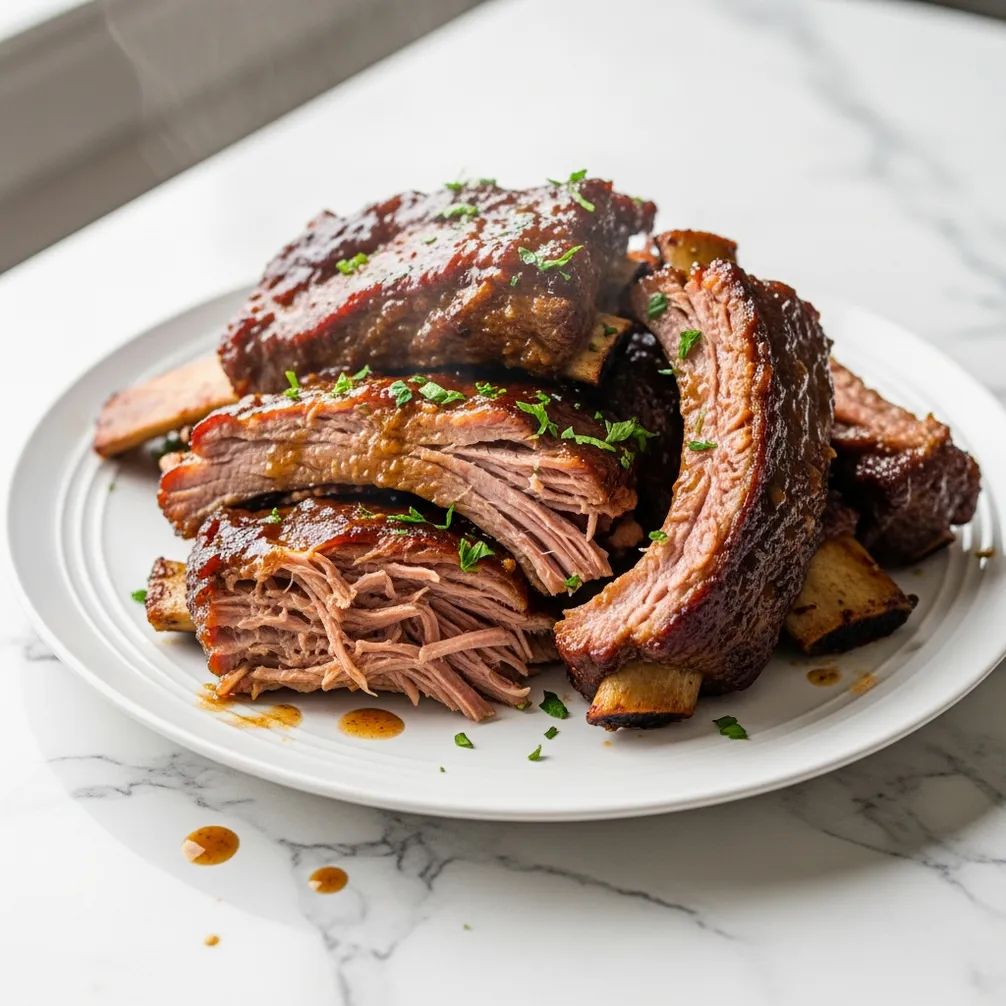
One of my most cherished memories is the aroma of my grandmother’s Sunday sauce simmering on the stove for hours. The star of that sauce was always her incredible braciole. This dish, a tender beef roll filled with cheese, herbs, and breadcrumbs, felt like the ultimate expression of love. Today, I’m sharing my version, inspired by those memories: a recipe for GiadaS Braciole Classic Italian Beef Rolled. This isn’t just a meal; it’s a tradition you can start in your own kitchen. Making GiadaS Braciole Classic Italian Beef Rolled is simpler than you might think, and the result is a deeply flavorful, melt-in-your-mouth main course that will have everyone asking for seconds. I promise, this GiadaS Braciole Classic Italian Beef Rolled will become a family favorite.
What Makes This Classic Italian Beef Rolled Recipe So Special?
The magic of GiadaS Braciole Classic Italian Beef Rolled lies in its construction of simple, high-quality components. First, the beef is pounded thin, creating a tender canvas. Then, a savory filling is spread across it before it’s rolled tightly and slow-simmered in a rich tomato sauce. This process allows the beef to become incredibly tender while the flavors of the filling and sauce meld together into a harmonious, comforting dish. It’s the kind of food that warms you from the inside out.
The Perfect Cut of Beef
Choosing the right cut of beef is the first step toward success. While you can find pre-cut “braciole meat” at some Italian butchers, it’s easy to make your own. I recommend using top round or flank steak. These cuts are lean but have enough structure to hold the filling without falling apart during the long simmer. The key is to pound the meat to an even thickness, about ¼-inch thick. This not only tenderizes the beef but also makes it much easier to roll.
A Rich and Savory Filling
The filling is where you can truly make the recipe your own, but a classic combination is hard to beat. My version includes a simple mix of freshly grated Pecorino Romano cheese, seasoned breadcrumbs, minced garlic, and chopped flat-leaf parsley. The sharp, salty cheese provides a wonderful contrast to the rich beef and sweet tomato sauce. Furthermore, the breadcrumbs absorb some of the cooking juices, keeping the filling moist and flavorful.
Mastering the Italian Beef Roll Technique
Rolling the braciole might seem intimidating, but it’s a straightforward process. The trick is to work methodically and not overfill the beef. A well-constructed roll will stay together in the pot and look beautiful when sliced and served. Taking a few extra minutes here makes all the difference in the final presentation of your GiadaS Braciole Classic Italian Beef Rolled.
Pounding and Seasoning the Meat
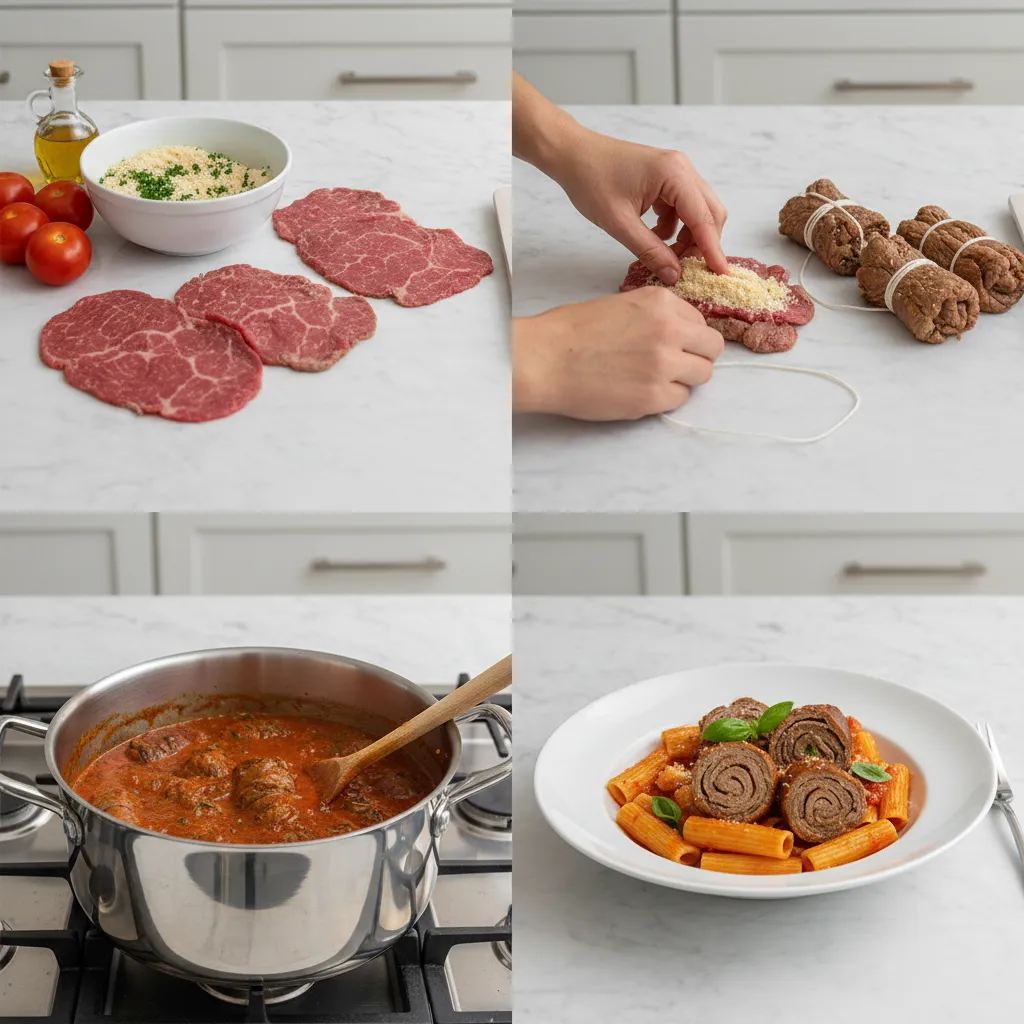
Lay your beef out on a cutting board between two pieces of plastic wrap. Using a meat mallet or the bottom of a heavy skillet, gently pound the meat until it reaches that crucial ¼-inch thickness. Work from the center outwards for the most even results. After pounding, remove the top layer of plastic and season the beef generously with salt and black pepper. This initial seasoning directly on the meat builds a deep layer of flavor.
Securing the Perfect Roll
Spread your filling evenly over the seasoned beef, leaving a small border around the edges to prevent it from spilling out. Starting from one of the shorter ends, roll the beef up tightly, just like you would a jelly roll. Once rolled, secure it with several pieces of kitchen twine. Tie one piece lengthwise and then several pieces crosswise to keep everything snug. This step is vital for keeping your beautiful roll intact while it braises in the sauce.
Crafting an Authentic Braciole Recipe Sauce
The sauce is just as important as the beef roll itself. This is not the place for a quick jarred sauce. Instead, a simple, homemade tomato sauce provides the perfect simmering liquid that both flavors the beef and is, in turn, enriched by it. An authentic braciole recipe depends on this symbiotic relationship.
Building the Flavor Base
Begin by searing the beef roll on all sides in a Dutch oven or heavy-bottomed pot with a little olive oil. This browning step, known as the Maillard reaction, creates immense flavor. After you remove the braciole, add chopped onions and garlic to the pot, sautéing them until soft and fragrant. Next, deglaze the pot with a splash of red wine, scraping up any browned bits from the bottom. These little bits are concentrated flavor bombs.
Slow Simmering for Tenderness
Once the wine has reduced, add crushed tomatoes, a bit of tomato paste, and some fresh basil. Bring the sauce to a simmer, then return the seared braciole to the pot. Make sure the beef roll is mostly submerged. The history of braciole shows its roots in southern Italian cooking, where slow-cooking tougher cuts of meat in tomato sauce was a way to create a tender, flavorful, and economical meal. Cover the pot, reduce the heat to low, and let it simmer for at least two to three hours. This long, slow cook is what transforms the beef into something truly special. This is the heart of an authentic braciole recipe.
Serving Your Classic Italian Beef Rolled
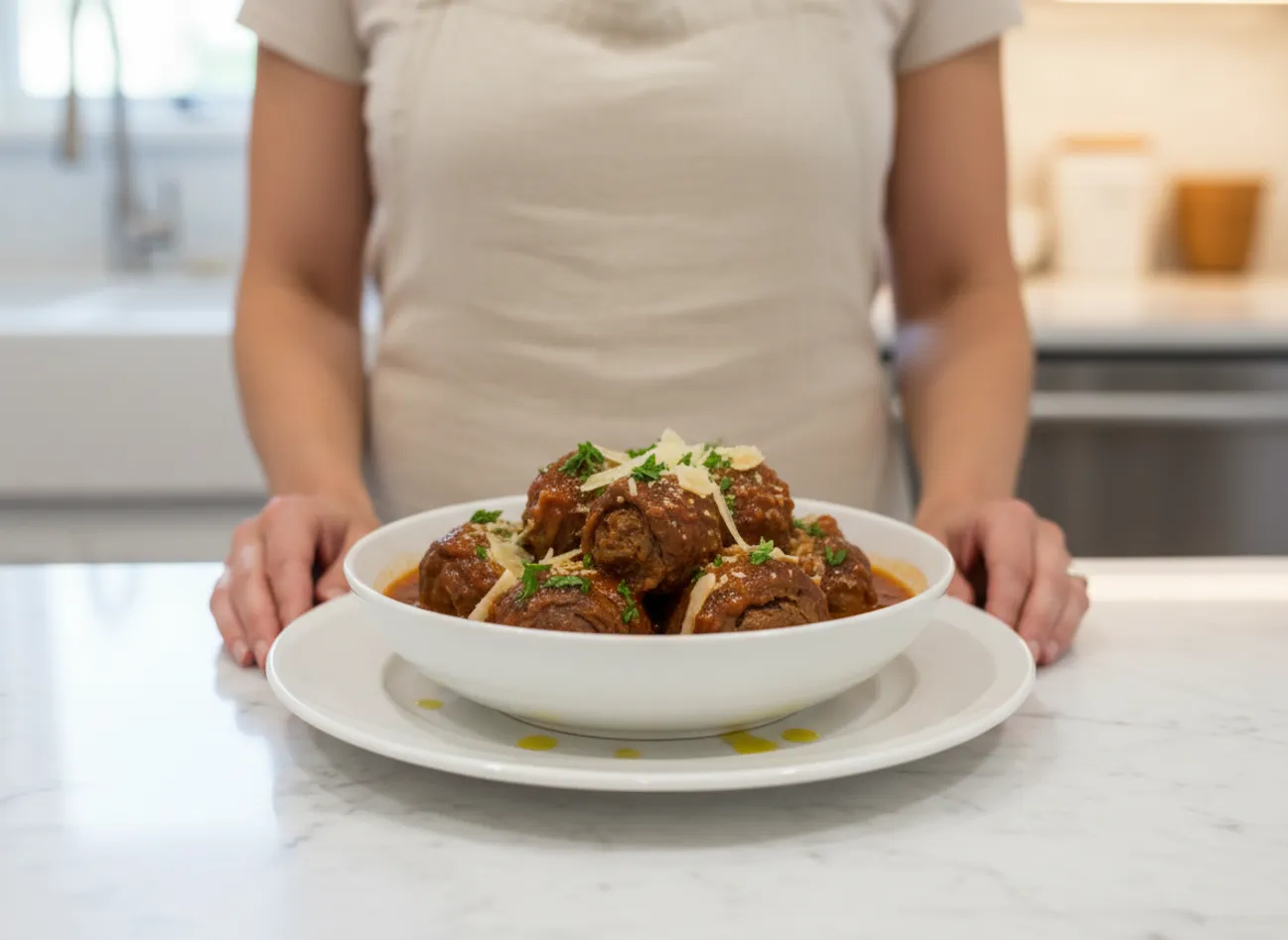
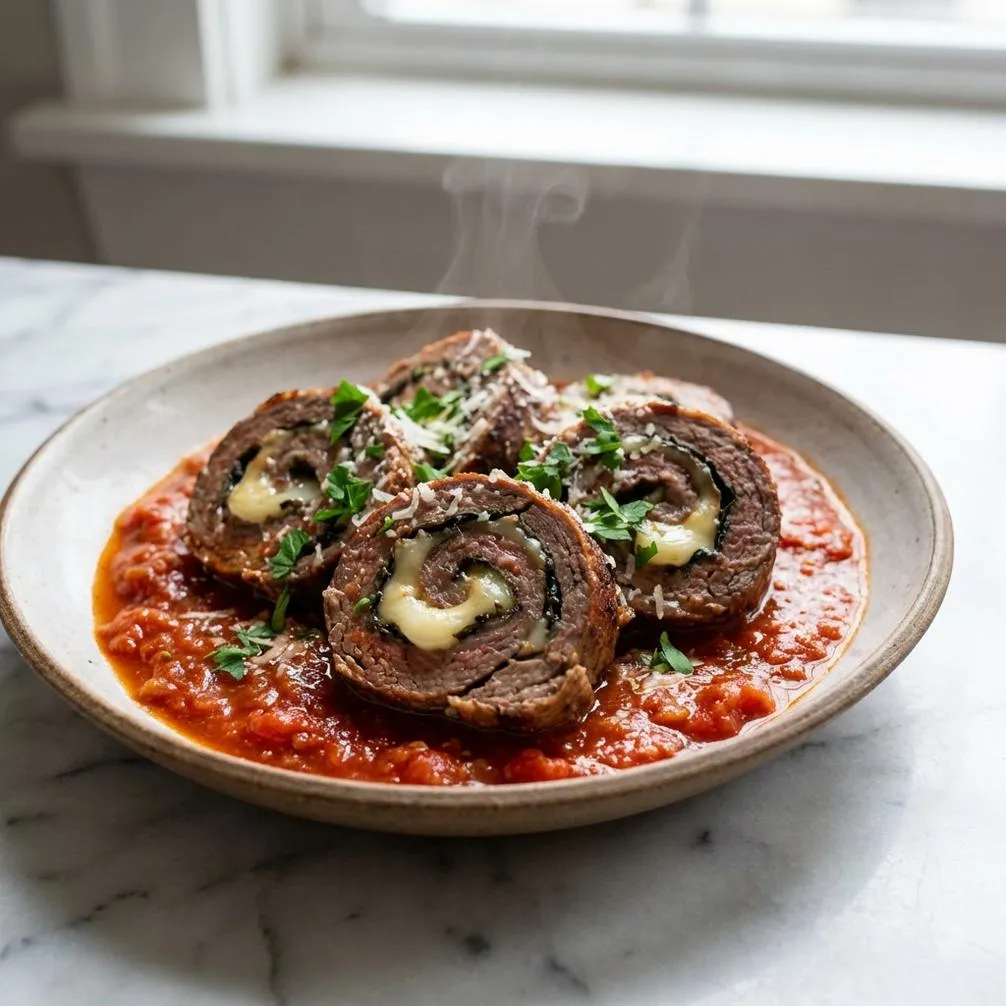
After hours of simmering, your kitchen will smell absolutely divine. The final step is to present your masterpiece. Carefully remove the braciole from the pot and let it rest for a few minutes before slicing. This allows the juices to redistribute, resulting in a more succulent bite. Remember to remove all the kitchen twine before you slice it into thick, beautiful rounds.
Perfect Pairings: What to Serve Alongside
The classic pairing for GiadaS Braciole Classic Italian Beef Rolled is a hearty pasta, like rigatoni or pappardelle, tossed with the very sauce the beef cooked in. The rich sauce clings perfectly to the pasta shapes. A side of crusty bread is also non-negotiable for sopping up every last bit of that incredible sauce. For a complete meal, a simple green salad with a light vinaigrette offers a fresh counterpoint. And for dessert, something bright and refreshing, like these mini lemon cakes, would be a perfect finish.
Storing and Reheating Leftovers
Braciole is one of those magical dishes that tastes even better the next day. The flavors continue to meld and deepen overnight. Store any leftovers, sliced or whole, in an airtight container submerged in the sauce. It will keep in the refrigerator for up to four days. To reheat, simply place the braciole and sauce in a saucepan over low heat until warmed through. Avoid the microwave, as it can make the beef tough.
Recipe for Giada’S Braciole – Classic Italian Beef Rolled
This recipe brings the heart of an Italian-American kitchen to your table. Follow these steps to create a memorable and delicious meal for your family.
Easy recipe for 1 Giada’S Braciole – Classic Italian Beef Rolled
Ingredients
- 2 lbs beef flank steak or top round pounded to 1/4-inch thickness
- ½ cup grated Pecorino Romano cheese plus more for serving
- ½ cup Italian-style breadcrumbs
- ¼ cup chopped fresh flat-leaf parsley
- 3 cloves garlic minced, divided
- ¼ lb thinly sliced prosciutto
- Salt and freshly ground black pepper to taste
- 3 tbsp olive oil
- 1 large onion finely chopped
- ½ cup dry red wine like Chianti or Merlot
- 28 oz canned crushed tomatoes preferably San Marzano
- 1 cup beef or chicken broth
- 4 fresh basil leaves torn
Instructions
- Lay the pounded beef flat on a cutting board. Season both sides generously with salt and pepper.
- In a small bowl, combine the Pecorino Romano cheese, breadcrumbs, parsley, and 2 of the minced garlic cloves. Mix well to create the filling.
- Spread the filling mixture evenly over the surface of the beef, leaving a 1-inch border along the edges. Lay the prosciutto slices in a single layer over the filling.
- Starting from a short end, tightly roll the beef into a log. Secure the braciole at 1 to 2-inch intervals with kitchen twine to hold its shape.
- In a large Dutch oven or heavy-bottomed pot, heat the olive oil over medium-high heat. Carefully place the braciole in the pot and brown it on all sides, about 8-10 minutes total. Remove the braciole from the pot and set it aside on a plate.
- Reduce the heat to medium. Add the chopped onion to the same pot and cook until softened, about 5 minutes. Add the remaining minced garlic clove and cook for another minute until fragrant.
- Pour in the red wine to deglaze the pot, scraping up any browned bits from the bottom with a wooden spoon. Let the wine simmer and reduce by about half.
- Stir in the crushed tomatoes, broth, and torn basil leaves. Season the sauce with salt and pepper. Bring the sauce to a simmer.
- Return the browned braciole to the pot, nestling it into the sauce. Reduce the heat to low, cover the pot, and let it simmer gently for at least 2 hours, or up to 3 hours, until the beef is fork-tender. Turn the braciole occasionally.
- Once cooked, carefully transfer the braciole to a cutting board. Let it rest for 10 minutes. Remove and discard the kitchen twine. Slice the braciole into 1/2-inch to 1-inch thick rounds. Serve immediately, topped with the tomato sauce and an extra sprinkle of Pecorino Romano cheese. It pairs beautifully with pasta, polenta, or crusty bread.
Notes
Frequently Asked Questions
What is the best cut of meat for braciole?
The best and most commonly used cuts for braciole are top round, bottom round, or flank steak. These cuts are lean and hold their shape well during the long simmering process. The key is to pound the meat to an even thickness of about ¼-inch to make it tender and easy to roll.
Can I make braciole ahead of time?
Absolutely. In fact, many people believe braciole tastes even better the next day. You can prepare the entire dish a day or two in advance and store it in the refrigerator. The flavors will have more time to meld together. Simply reheat it gently on the stovetop before serving.
Why is my braciole tough?
Tough braciole is usually the result of two things: not pounding the meat thin enough or not cooking it long enough. Pounding the beef tenderizes it and breaks down tough muscle fibers. Additionally, braciole needs a long, slow simmer (at least 2-3 hours) over low heat. Rushing the cooking process will not give the connective tissue enough time to break down into tender gelatin.
What’s the difference between braciole and involtini?
The terms are often used interchangeably, but there can be a subtle difference. “Braciole” typically refers to a larger roll of beef, like the one in this recipe, that is simmered in sauce and then sliced for serving. “Involtini” are usually smaller, individual-sized rolls made from thinner cuts of meat (like veal or even vegetables) that cook more quickly.
A Meal Made with Love
This GiadaS Braciole Classic Italian Beef Rolled is more than just a recipe; it’s an invitation to slow down and create something truly special. The process of pounding, filling, rolling, and simmering the beef is a rewarding experience that fills your home with the comforting aroma of a classic Italian Sunday dinner. I hope this dish brings as much joy and connection to your table as it has to mine.