I remember my grandmother’s hands, dusted with flour, effortlessly pressing dough into a pie pan. Her secret was always butter, and lots of it. For years, I believed a flaky, tender pie crust was impossible without it. When I started creating more plant-based recipes, finding a reliable substitute was my biggest challenge. Many vegan crusts I tried were either tough or greasy. Then, I discovered the secret: a perfectly crafted Coconut Oil Vegan Pie Crust.
This recipe changed everything. It produces a crust that is unbelievably flaky, rich, and versatile enough for any pie you can imagine. The key is using solid, cold coconut oil to mimic the way butter creates pockets of steam, resulting in those delicious, airy layers. This Coconut Oil Vegan Pie Crust isn’t just a substitute; it’s a game-changer that stands proudly on its own. It’s the foundation for everything from a classic apple pie to a savory vegetable tart. Making a good Coconut Oil Vegan Pie Crust is simpler than you think, and I am excited to show you how.
Why a Coconut Oil Vegan Pie Crust Works So Well
Many people wonder how coconut oil can replace butter in a traditional pie crust recipe. The answer lies in its chemical properties. Just like butter, refined coconut oil is solid at room temperature. This single characteristic is what makes a flaky Coconut Oil Vegan Pie Crust possible. When you cut the cold, solid fat into the flour, you create small, coated pebbles of fat. As the crust bakes, these fat pockets melt and create steam, pushing the layers of dough apart. This process results in the light, airy, and flaky texture every great pie needs.
The Magic of Cold Ingredients
The most important rule in pie making is to keep your ingredients cold. This applies to your flour, your water, and especially your coconut oil. Cold coconut oil stays solid longer during mixing, which prevents it from melting into the flour and creating a paste. Instead, you get distinct pieces of fat distributed throughout the dough. I even put my mixing bowl in the freezer for ten minutes before I start. When you roll out the dough, these solid pieces flatten into thin sheets. In the oven’s heat, they produce the steam necessary for a perfectly flaky crust.
Flavor Profile: What to Expect
A common question is whether a crust made with coconut oil will taste overwhelmingly of coconut. The answer depends on the type of oil you use. For a neutral flavor that works with any filling, you should always choose refined coconut oil. The refining process removes the distinct coconut scent and taste, leaving you with a clean, buttery flavor profile. Virgin or unrefined coconut oil, on the other hand, will carry a noticeable coconut flavor, which can be lovely in certain sweet pies like a coconut cream or a key lime pie, but might clash with savory fillings.
Perfecting Your Vegan Pie Dough
Achieving the perfect texture for your pie dough requires a gentle hand and a little patience. The goal is to develop just enough gluten to hold the dough together without making it tough. Overworking the dough is the most common mistake people make. This develops the gluten strands too much, resulting in a crust that is chewy and hard rather than tender and flaky. Mix the ingredients just until they come together. You should still see visible specks of coconut oil in the dough—that’s a good sign.
Tips for Handling the Dough
Your hands are warm, and that warmth can quickly melt the coconut oil you worked so hard to keep cold. For that reason, handle the dough as little as possible. Use a pastry cutter or two knives to cut the coconut oil into the flour. When you add the ice water, use a fork to gently toss the mixture until a shaggy dough forms. Then, use your hands to quickly gather it into a ball, wrap it in plastic, and let it rest in the refrigerator. This chilling period is critical; it lets the gluten relax and solidifies the coconut oil again before rolling.
Choosing the Right Flour
While all-purpose flour is the standard for most pie crusts, you have other options. For an even more tender crust, you can substitute some of the all-purpose flour with pastry flour. Pastry flour has a lower protein content, which means it develops less gluten. This produces a finer, more delicate crumb. I often use a mix of half all-purpose and half pastry flour for my sweet pies. For savory pies, the sturdiness of all-purpose flour is usually best to hold up against heartier fillings.
Beyond the Basics of this Dairy-Free Pie Crust Recipe
Once you master this basic dairy-free pie crust recipe, you open up a world of culinary possibilities. This dough is a blank canvas for both sweet and savory creations. It has a neutral, slightly buttery flavor that complements nearly any filling you can imagine. From a classic Thanksgiving pumpkin pie to a summer berry galette, this crust provides the perfect flaky foundation. Don’t limit yourself to just desserts; this crust is also fantastic for savory dishes.
Sweet vs. Savory Fillings
For sweet pies, you can add a tablespoon or two of sugar and a pinch of cinnamon to the dry ingredients for added flavor. This crust pairs beautifully with fruit fillings, custards, and creams. For savory applications, this dairy-free pie crust recipe truly shines. Think of a vegetable pot pie, a mushroom and leek quiche, or individual hand pies. You could even use the dough to make savory appetizers, like these jalapeño popper pinwheels, by simply rolling it out and adding your favorite fillings. The history of the pie crust itself is rooted in savory preparations, originally serving as a simple container for cooking fillings.
The Importance of Blind Baking
For pies with wet fillings, like custards or quiches, blind baking is an essential step. Blind baking means partially or fully baking the crust before adding the filling. This process helps set the dough and creates a barrier that prevents the filling from making the bottom of the crust soggy. To blind bake, simply line the chilled, unbaked pie shell with parchment paper, fill it with pie weights or dried beans, and bake until it’s lightly golden. This extra step makes a huge difference in the final texture of your pie.
Troubleshooting Your Coconut Oil Crust
Even with a great recipe, things can sometimes go sideways in the kitchen. Don’t worry, most common pie crust problems are easy to fix. Understanding what causes these issues is the first step toward preventing them in the future. Whether your crust is tough, crumbly, or soggy, there’s usually a simple explanation and an equally simple solution. This Coconut Oil Vegan Pie Crust is forgiving, but knowing these tips will help you get it right every time.
My Crust is Too Tough, What Happened?
A tough crust is almost always the result of overworking the dough or adding too much water. When you mix the dough too much, you overdevelop the gluten, which makes the crust chewy instead of tender. To avoid this, mix just until the dough comes together. Similarly, adding too much water can create excess gluten. Add your ice water one tablespoon at a time, stopping as soon as the dough holds together when you pinch a piece. A little shagginess is perfectly fine.
Preventing a Soggy Bottom
The dreaded soggy bottom happens when a wet filling soaks into the crust before it has a chance to bake properly. As mentioned earlier, blind baking is your best defense, especially for custard or cream pies. Another great trick is to brush the bottom of the blind-baked crust with a plant-based milk wash and bake for another minute or two. This creates a seal that helps keep moisture out. Finally, always make sure your oven is fully preheated. Placing the pie in a hot oven helps the bottom crust set quickly before the filling can penetrate it.
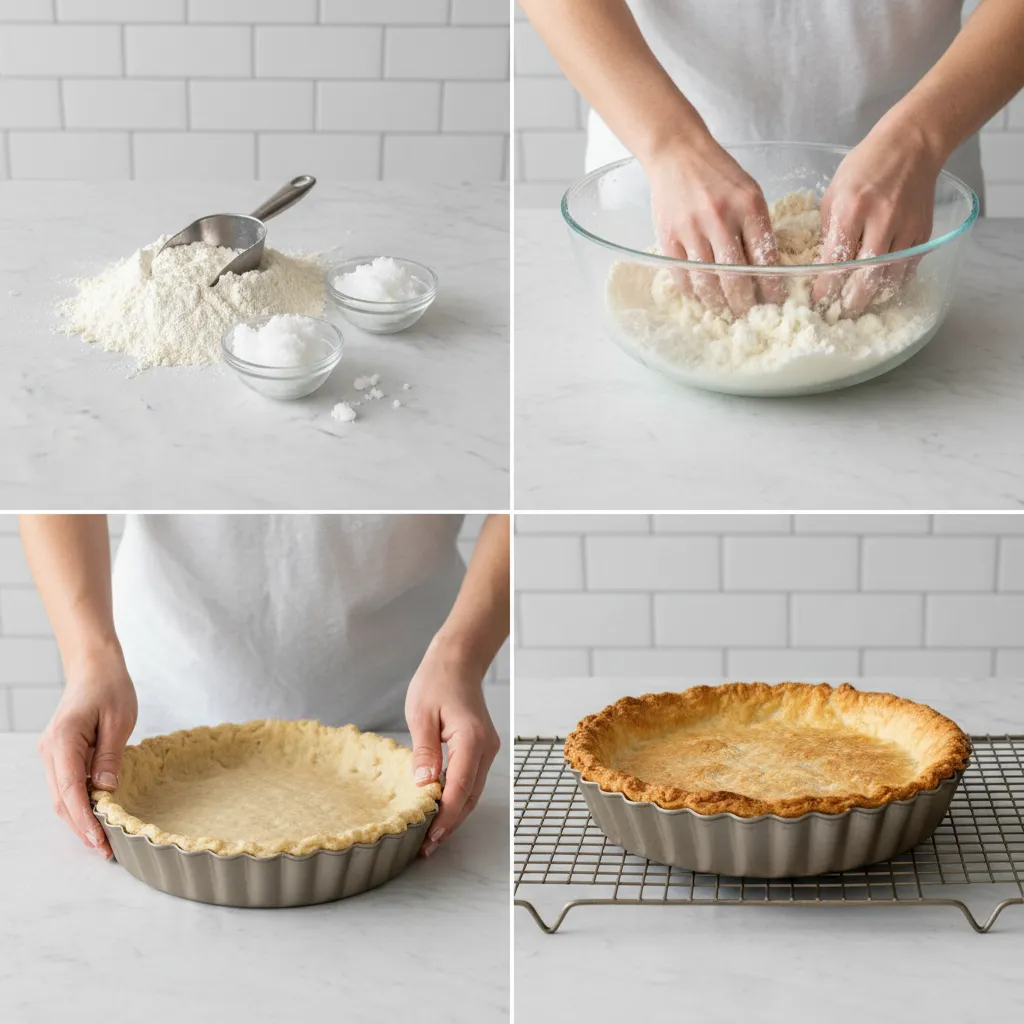
Recipe for a Flaky Coconut Oil Vegan Pie Crust
This recipe is your new go-to for a reliable and delicious dairy-free pie crust that impresses every time. Follow the steps closely for a flaky, tender result that works for any pie.
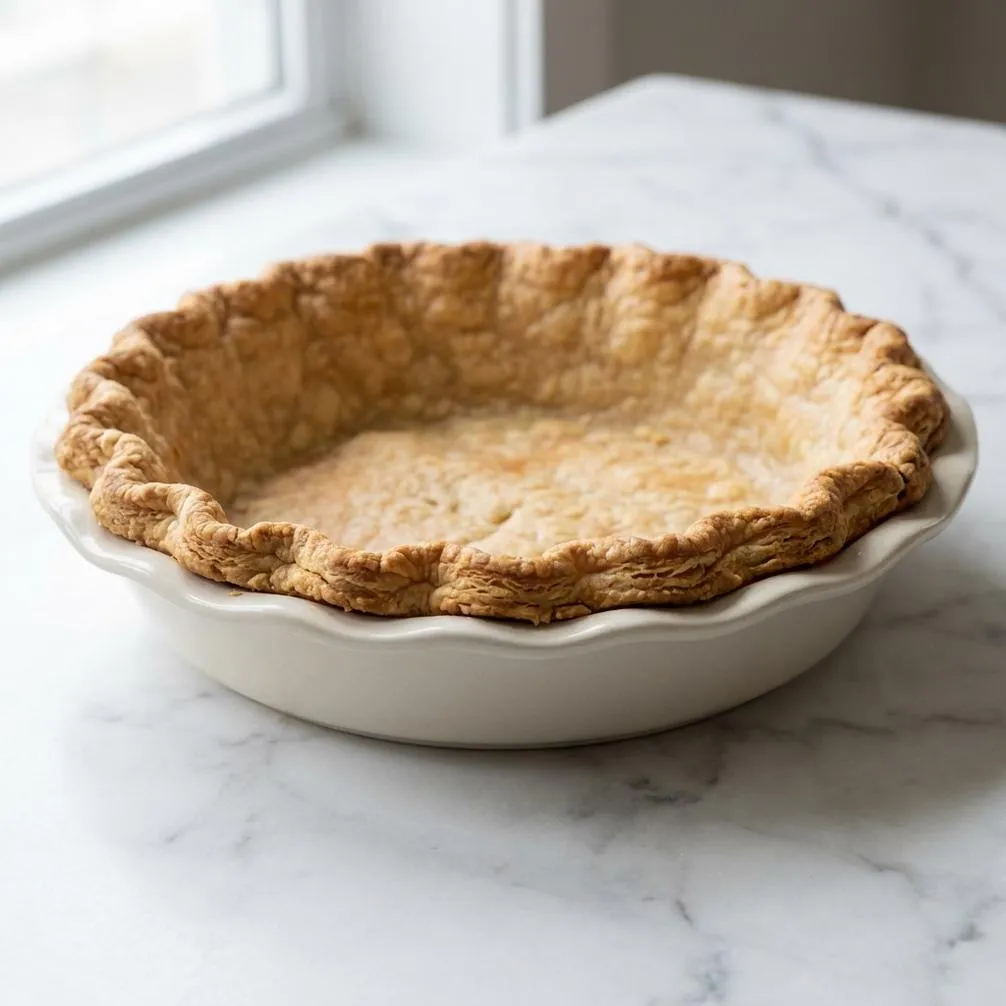
Easy recipe for a 3-Step Coconut Oil Vegan Pie Crust
Ingredients
- 1.5 cups all-purpose flour plus more for dusting
- 0.5 tsp salt
- 1 tbsp granulated sugar optional, for sweet pies
- 0.5 cup solid coconut oil chilled and firm, not melted
- 4 tbsp ice water use up to 6 tbsp if needed
Instructions
- Step 1: Mix Dry Ingredients and Cut in Coconut Oil. In a large mixing bowl, whisk together the all-purpose flour, salt, and optional sugar. Add the chilled, solid coconut oil. Using a pastry blender or two knives, cut the coconut oil into the flour mixture until it resembles coarse crumbs with some pea-sized pieces remaining. These larger pieces are key to a flaky crust.
- Step 2: Add Water and Chill. Sprinkle 4 tablespoons of ice water over the flour mixture. Gently toss with a fork until the dough just starts to come together. Do not overmix. If it’s too dry, add more ice water, 1 teaspoon at a time. The dough should not be wet or sticky. Form the dough into a flat disk, wrap it tightly in plastic wrap, and refrigerate for at least 30 minutes to an hour. This allows the gluten to relax and the fat to firm up again.
- Step 3: Roll and Blind Bake. Preheat your oven to 400°F (200°C). On a lightly floured surface, roll out the chilled dough into a 12-inch circle. Carefully transfer the dough to a 9-inch pie plate. Trim the excess dough around the rim, leaving about a 1/2-inch overhang. Fold the overhang under and crimp the edges as desired. Prick the bottom of the crust with a fork. Line the crust with parchment paper and fill with pie weights or dried beans. Bake for 15 minutes. Carefully remove the parchment paper and weights, then bake for another 5-10 minutes, or until the crust is golden brown.
Notes
Blind Baking: For a no-bake filling, fully bake the crust as directed. For a filling that needs baking, par-bake the crust for the initial 15 minutes with weights, then add your filling and bake according to your pie recipe.
Storage: Unbaked dough can be refrigerated for up to 2 days or frozen for up to 3 months. A baked crust can be stored at room temperature for 1-2 days.
Frequently Asked Questions
Can I use any type of coconut oil for this pie crust?
For the best results, you should use solid, refined coconut oil. Refined coconut oil has a neutral flavor, making it suitable for any filling. It also has a higher smoke point. Do not use liquid or MCT oil, as it will not create the flaky layers needed for a good crust.
Does the vegan pie crust taste like coconut?
If you use refined coconut oil, the pie crust will not taste like coconut. It will have a clean, buttery flavor. If you use unrefined (or virgin) coconut oil, there will be a distinct coconut aroma and taste, which can be delicious in sweet pies but might not be ideal for savory dishes.
Can I make this coconut oil pie crust ahead of time?
Absolutely. You can prepare the dough, form it into a disk, wrap it tightly in plastic wrap, and refrigerate it for up to three days. You can also freeze the dough disk for up to three months. Just let it thaw in the refrigerator for a few hours before you plan to roll it out.
Is this coconut oil vegan pie crust gluten-free?
This specific recipe uses all-purpose flour, so it is not gluten-free. However, you can substitute the all-purpose flour with a good quality all-purpose gluten-free flour blend that contains xanthan gum. The results will be slightly different in texture but still delicious.
Conclusion
Creating a flaky, tender, and delicious pie crust without any dairy is not only possible but also incredibly simple. This Coconut Oil Vegan Pie Crust recipe proves that you don’t need butter to achieve pastry perfection. By keeping your ingredients cold and handling the dough gently, you can make a versatile crust that will become the star of your sweet and savory pies. I hope this recipe brings as much joy to your kitchen as it has to mine. Happy baking