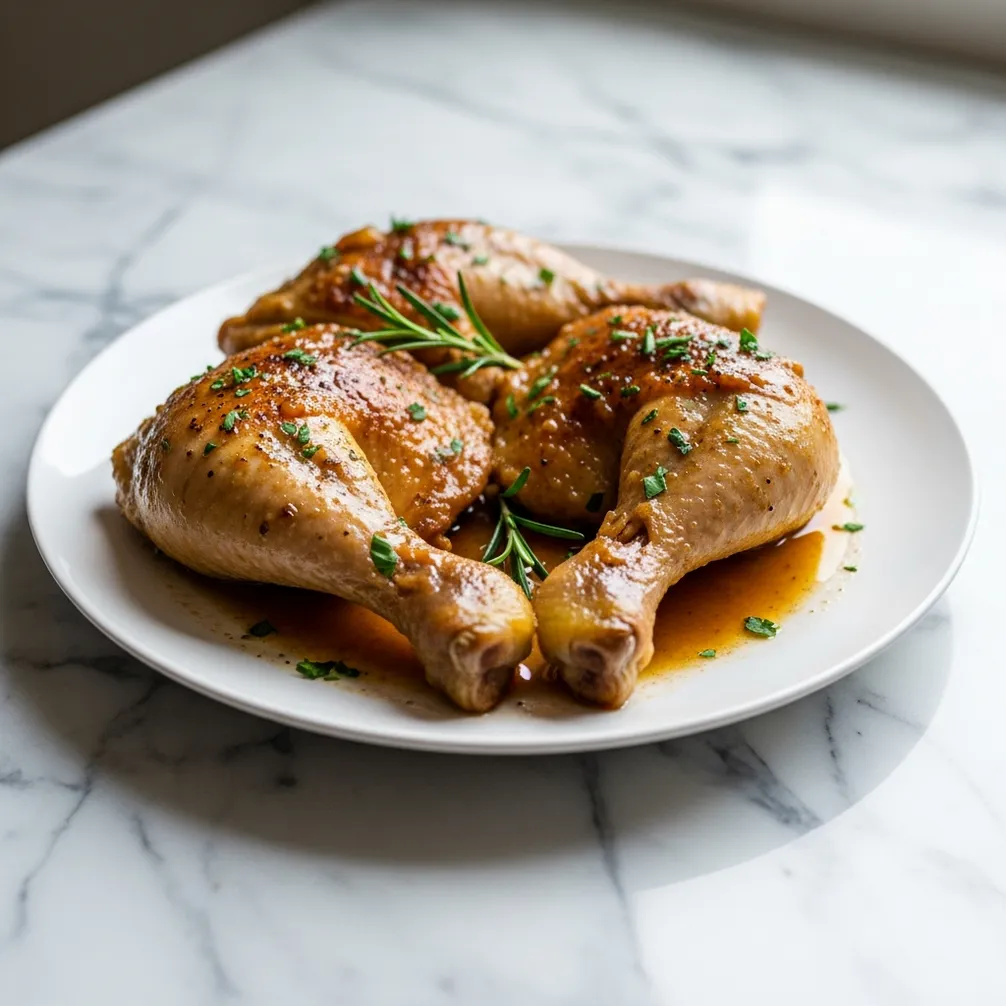
There are certain smells that instantly transport me back to my grandmother’s house on a Sunday afternoon. The rich aroma of garlic and oregano mingling with slowly roasting meat is one of them. She would spend hours preparing her special Greek Slow Roasted Lamb with Herbs, a dish that was the centerpiece of every important family gathering. It wasn’t just about the food; it was about the patience and love she poured into it. The result was always the same: incredibly tender lamb that practically melted in your mouth.
Today, I’m sharing my version of that cherished family recipe. This Greek Slow Roasted Lamb with Herbs honors that tradition but simplifies the process for modern kitchens. It’s a meal that requires time, but very little active effort, making it a perfect main course for a lazy weekend or a special dinner with loved ones. The secret isn’t in some complex technique; rather, it’s in allowing simple, high-quality ingredients to cook low and slow. This method transforms a humble cut of lamb into something truly spectacular. You will be amazed at how this Greek Slow Roasted Lamb with Herbs falls right off the bone.
Why Slow Roasting is Key for Greek Lamb
The foundation of this amazing Greek Slow Roasted Lamb with Herbs is the cooking method itself. Many people feel intimidated by cooking a large cut of lamb, fearing it will turn out dry or tough. However, the low-and-slow approach completely removes that risk. By cooking the lamb for several hours at a low temperature, you give the meat’s tough connective tissues time to break down.
This process is what creates that signature fall-apart texture. The collagen within the muscle fibers gradually melts into rich gelatin, which bastes the meat from the inside out. Consequently, every bite is succulent and full of moisture. This gentle cooking also allows the flavors of the garlic, lemon, and herbs to deeply penetrate the meat, seasoning it all the way to the bone. You simply cannot achieve this depth of flavor or tenderness with a quick, high-heat roast.
The Magic of Low and Slow Cooking
Patience is the most important ingredient in this recipe. Setting your oven to a low temperature, around 325°F (160°C), creates the perfect environment for the lamb to cook evenly without drying out. Covering the roasting pan tightly with foil is also crucial. This step traps steam inside the pan, effectively braising the lamb in its own juices and the fragrant marinade. For the final portion of cooking, you remove the foil to allow the exterior to become beautifully browned and slightly crisp, giving you the best of both worlds: a tender interior and a delicious crust.
Choosing the Right Cut of Lamb
For this Greek slow-roasted lamb recipe, the best cut is a bone-in lamb shoulder. The shoulder is a hard-working muscle, which means it has more connective tissue and marbling. These are the very qualities that make it ideal for slow cooking. As it roasts for hours, that fat and tissue render down, adding incredible flavor and keeping the meat moist. A leg of lamb also works well, but the shoulder generally offers a richer flavor and a more forgiving cooking process. Ask your butcher for a cut that is around 4-5 pounds; this will generously serve a family or a small dinner party.
Mastering the Herb and Spice Marinade
A truly memorable Greek Slow Roasted Lamb with Herbs depends on a powerful and aromatic marinade. The Greek approach to seasoning is bold yet simple, relying on a handful of classic ingredients that complement the rich flavor of the lamb perfectly. This isn’t about masking the taste of the meat; it’s about supporting it.
The marinade does more than just add flavor. The acid from the lemon juice helps to tenderize the meat’s surface, while the olive oil helps distribute the flavors of the herbs and spices evenly. It also aids in browning the lamb once the foil is removed. Preparing the marinade is quick, but its impact on the final dish is immense. Taking the time to rub it thoroughly into every part of the lamb sets the stage for a delicious outcome.
Essential Greek Herbs
The classic trio of Greek herbs—oregano, rosemary, and thyme—forms the backbone of this marinade. Dried oregano offers a pungent, earthy flavor that is quintessentially Greek. Fresh rosemary provides a pine-like aroma that pairs beautifully with roasted meats. A little bit of thyme adds a subtle, savory note that ties everything together. Combined with a generous amount of minced garlic, these herbs create a fragrant crust that seasons the lamb as it cooks.
Building Layers of Flavor
Beyond the herbs, the marinade gets its character from fresh lemon juice, good-quality olive oil, salt, and black pepper. The lemon’s brightness cuts through the richness of the lamb, preventing the dish from feeling too heavy. Don’t be shy with the salt and pepper; a large cut of meat requires generous seasoning to be flavorful throughout. Rubbing this mixture all over the lamb and letting it sit for at least 30 minutes (or even overnight in the refrigerator) gives the ingredients time to work their magic.
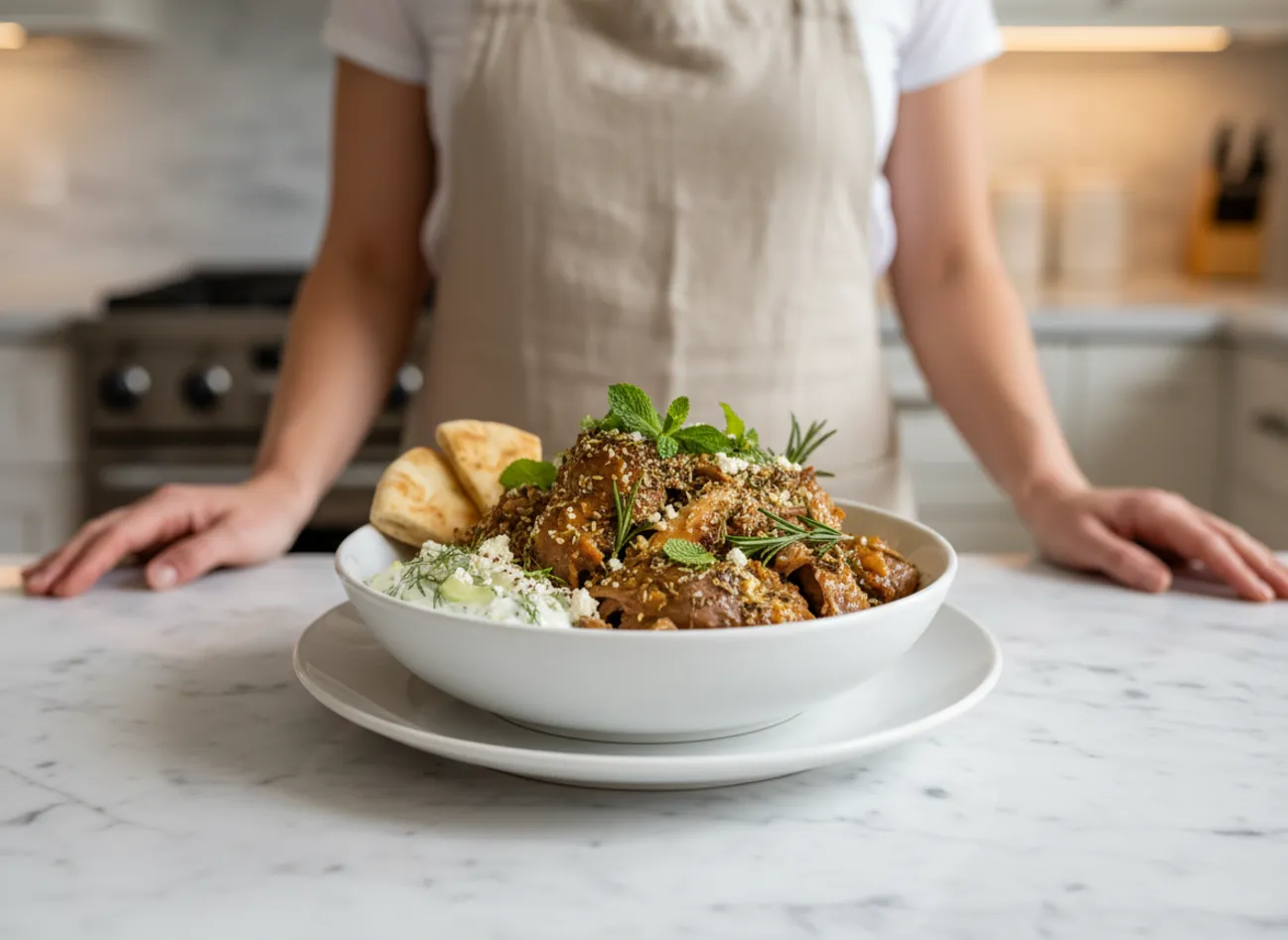
The Story Behind the Greek Lamb Kleftiko Recipe
This style of cooking lamb has deep roots in Greek history, closely related to a famous dish known as Lamb Kleftiko. The method of sealing meat in a parcel and cooking it slowly for hours is a key feature of the traditional Greek lamb kleftiko recipe. Our recipe draws its inspiration directly from this time-honored technique.
The word “kleftiko” translates to “stolen,” which points to the dish’s fascinating origins. According to legend, the Klephts were anti-Ottoman insurgents who lived in the Greek mountains. To avoid being discovered, they would steal lambs and cook them in sealed, underground pits. This slow, hidden cooking method prevented smoke and aromas from giving away their location. It also resulted in unbelievably tender meat. This practical cooking solution eventually evolved into a celebrated national dish. Our recipe uses a roasting pan and foil instead of a pit, but the principle of trapping heat and moisture remains the same.
A Dish Born from Necessity
The original Kleftiko was a one-pot meal born from rustic ingenuity. The Klephts would wrap the lamb in parchment paper or animal skins along with wild herbs, vegetables, and cheese, then bury it with hot coals. This self-contained cooking environment is what our modern recipe mimics with a tightly covered roasting pan. The history of lamb and mutton in Mediterranean cuisine is rich, and Kleftiko is a prime example of how historical circumstances can shape culinary traditions.
How This Recipe Compares to Traditional Kleftiko
While this recipe is not a strict Greek lamb kleftiko recipe, it uses the same core philosophy: slow-cooking lamb in a sealed environment with herbs and garlic until it is completely tender. Traditional Kleftiko often includes potatoes, tomatoes, and feta cheese cooked in the same parcel as the lamb. Our version focuses purely on the lamb, allowing you to prepare your side dishes separately. This gives you more control over the final meal and keeps the flavors of the lamb front and center.
Perfect Side Dishes for Your Lamb
Once your Greek Slow Roasted Lamb with Herbs is resting, it’s time to think about what to serve alongside it. The beauty of this dish is its versatility. It pairs wonderfully with a wide range of sides, from simple roasted vegetables to fresh, vibrant salads. The goal is to choose accompaniments that complement the rich flavor of the lamb without overpowering it.
A complete Greek-inspired meal is all about balance. You want something starchy to soak up the delicious pan juices, something fresh to provide a contrasting texture, and perhaps a creamy sauce to tie everything together. Planning your side dishes ahead of time makes serving this impressive main course feel effortless. Many sides can even be prepared while the lamb is in its final hour of roasting.
Classic Greek Pairings
You can’t go wrong with Greek lemon potatoes (Patates Lemonates). You can roast them in the same pan as the lamb for the last hour and a half of cooking, allowing them to absorb all the savory juices. Another excellent choice is a classic Greek salad, or Horiatiki, with ripe tomatoes, cucumbers, red onion, and feta cheese. The fresh, tangy flavors of the salad provide a perfect counterpoint to the rich, savory lamb. A side of creamy tzatziki sauce is also a must for dipping.
Tips for a Complete Meal
For a truly cohesive meal, consider serving some warm pita bread to scoop up any leftover juices and tzatziki. Orzo pasta tossed with a little olive oil and fresh parsley is another simple yet elegant side dish. If you want to add more vegetables, try roasted asparagus with a squeeze of lemon or steamed green beans tossed with garlic. The key is to keep the side dishes simple and let the spectacular slow-roasted lamb remain the star of the show.
Greek Slow Roasted Lamb with Herbs Recipe
This recipe delivers that incredible fall-off-the-bone texture every time. Follow the steps below to bring a taste of Greece to your own kitchen.
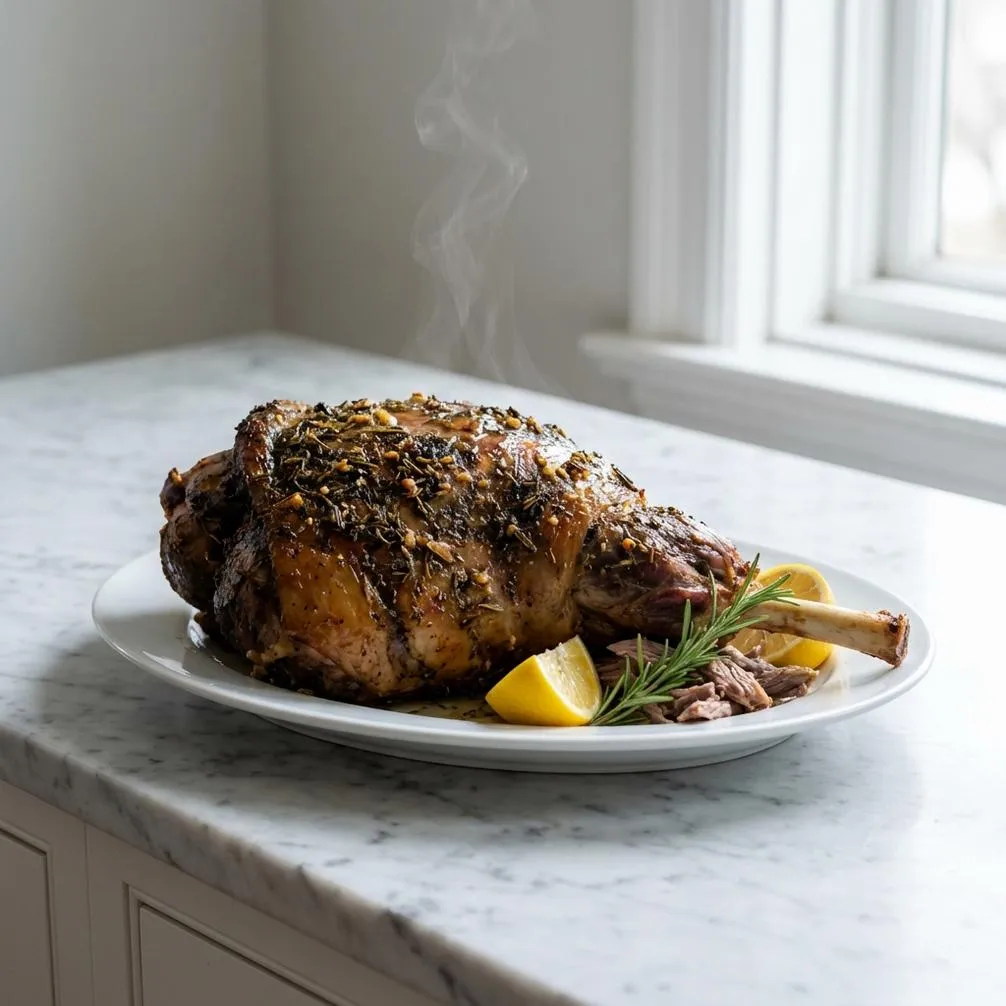
Secret to the best 5-hr Greek Slow Roasted Lamb with Herbs
Ingredients
- 1 (4 to 5 lb) bone-in lamb shoulder pat dry with paper towels
- 1 head garlic cloves peeled and minced or pressed
- 2 large lemons zest and juice
- ½ cup extra virgin olive oil plus more for drizzling
- 2 tbsp dried oregano
- 4 sprigs fresh rosemary leaves finely chopped
- 4 sprigs fresh thyme leaves picked
- 1.5 tbsp sea salt coarse
- 1 tbsp freshly ground black pepper
- 2 lbs Yukon Gold or Russet potatoes peeled and cut into large 2-inch chunks
- 1 cup dry white wine or chicken broth
Instructions
- Preheat your oven to 325°F (160°C). Take the lamb out of the refrigerator about 30-60 minutes before cooking to allow it to come to room temperature.
- In a small bowl, combine the minced garlic, zest and juice of both lemons, 1/2 cup olive oil, dried oregano, chopped rosemary, thyme leaves, sea salt, and black pepper. Mix well to create a thick, aromatic paste.
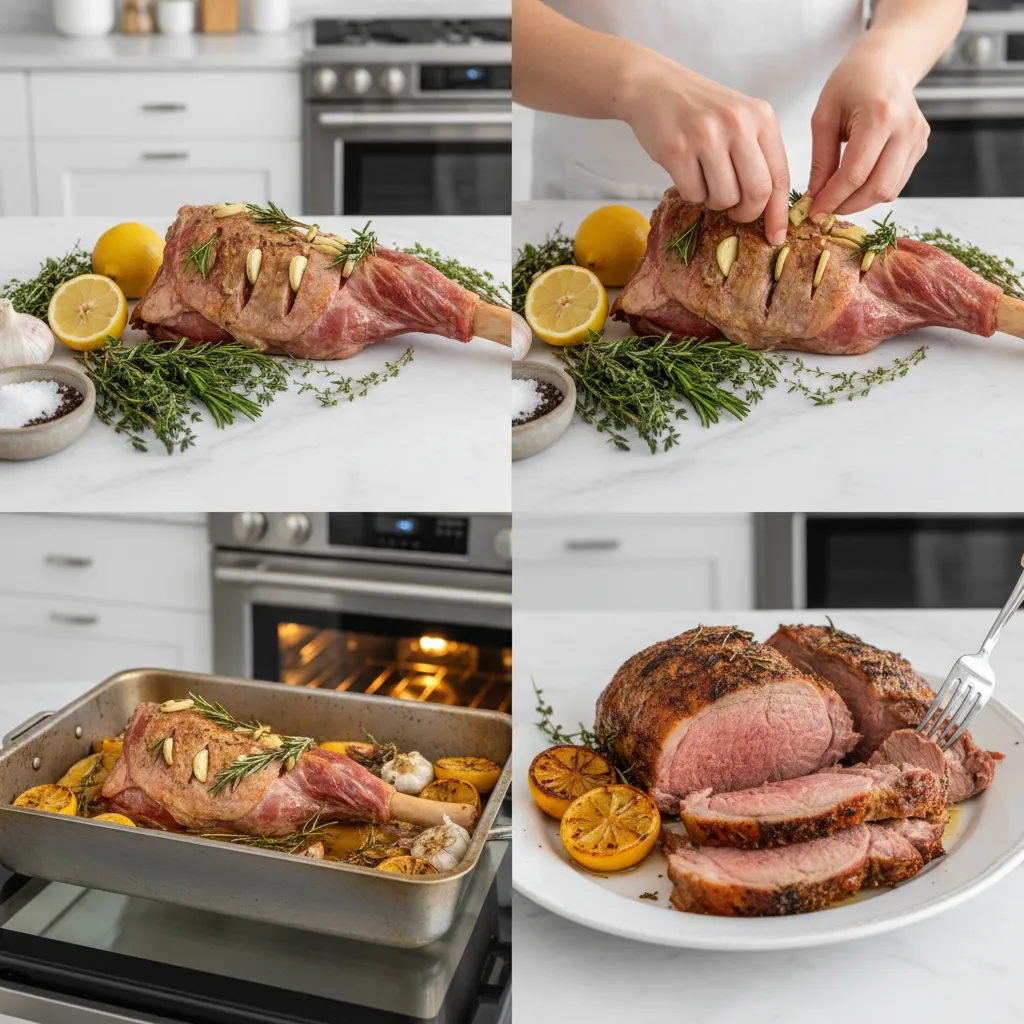
- Pat the lamb shoulder completely dry with paper towels. Using a sharp knife, make several deep incisions (about 1-inch deep) all over the lamb, on both sides. This will help the marinade penetrate deep into the meat.
- Rub the herb and garlic paste generously all over the lamb, making sure to push it deep into the incisions you made. Use your hands to massage it into the meat.
- Place the potato chunks in your large roasting pan and toss them with a drizzle of olive oil, salt, and pepper. Pour the white wine or chicken broth over the potatoes.
- Tear off a large sheet of parchment paper, big enough to completely envelop the lamb, and place it over the potatoes. Place the seasoned lamb on top of the parchment. Now, create a sealed parcel. Bring the sides of the parchment paper up and fold them over several times to seal. Then, tear off two large sheets of heavy-duty aluminum foil. Place one sheet over the top and crimp the edges tightly against the roasting pan. Repeat with a second sheet to ensure a perfect seal. This is the most crucial step to trap the steam and create tender lamb.
- Carefully place the roasting pan in the preheated oven and roast for 5 hours. Do not open the parcel during this time.
- After 5 hours, remove the pan from the oven and let it rest, still sealed, on the countertop for at least 30 minutes. This allows the juices to redistribute back into the meat.
- Carefully open the foil and parchment parcel (be cautious of hot steam). The lamb will be incredibly tender. You can serve it directly from the pan, shredding the meat with two forks. Serve the lamb with the potatoes and spoon over the delicious pan juices.
Notes
Make Ahead: For even more flavor, you can marinate the lamb in the herb paste overnight. Cover and refrigerate, then proceed with the recipe, allowing the lamb to come to room temperature first.
Storage: Leftover lamb can be stored in an airtight container in the refrigerator for up to 3 days. It’s delicious in sandwiches, salads, or tacos the next day.
Frequently Asked Questions
What is the best cut of lamb for slow roasting?
The best cut for slow roasting is bone-in lamb shoulder. It has a good amount of marbling and connective tissue, which breaks down during the long cooking time, resulting in exceptionally tender and flavorful meat. A bone-in leg of lamb is also a great alternative.
Should I cover lamb when slow roasting?
Yes, you should absolutely cover the lamb for the majority of the cooking time. Tightly covering the roasting pan with foil traps steam and moisture, which helps braise the lamb and prevents it from drying out. You should only uncover it for the last 30-45 minutes to allow the skin to brown and crisp up.
What temperature should you slow roast lamb at?
A low oven temperature is essential for slow roasting. I recommend 325°F (160°C). This gentle heat allows the tough connective tissues in the lamb to slowly dissolve into gelatin without overcooking the muscle fibers, which keeps the meat succulent and tender.
Why is my slow roasted lamb tough?
If your slow-roasted lamb is tough, it is likely due to one of two reasons. First, it may not have been cooked for long enough. Lamb shoulder needs several hours for the collagen to break down completely. Second, the cooking temperature might have been too high, causing the muscle fibers to seize up and become tough. Stick to a low temperature and give it the full cooking time.
Conclusion
This Greek Slow Roasted Lamb with Herbs is more than just a recipe; it’s an experience. It’s about slowing down, filling your home with incredible aromas, and gathering people you love around the table. The magic is in its simplicity and the time-honored technique of slow roasting. With just a few fresh ingredients and a bit of patience, you can create a centerpiece dish that is both rustic and elegant. I hope this recipe brings as much joy and comfort to your table as it has to mine.