The first time I tried Burmese tofu, I was completely captivated. It wasn’t the firm, soy-based block I was used to. Instead, it was creamy, custardy, and had a delicate, savory flavor all its own. I discovered it at a small food festival and immediately knew I had to recreate it at home. The best part? It’s made from chickpea flour, making this Burmese tofu a fantastic soy-free alternative that’s incredibly simple to prepare. You don’t need any special equipment or hard-to-find ingredients. This recipe brings a taste of Myanmar to your kitchen with just a handful of pantry staples. It’s perfect for anyone looking for a new plant-based protein or a fun kitchen project.
What Makes Burmese Tofu So Special?
Unlike traditional tofu made from soybeans, Burmese tofu, also known as shan tofu, comes from chickpea flour (besan). This simple difference creates a completely unique texture and taste. It’s a staple in the cuisine of the Shan State in Myanmar and offers a wonderful alternative for those with soy allergies or anyone looking to add variety to their meals. Its simplicity is truly its greatest strength.
The Unique Texture and Flavor
The texture of freshly made Burmese tofu is something to behold. It’s soft, custardy, and almost melts in your mouth. You can slice it and eat it warm right after it sets, or you can let it cool completely for a firmer block. The flavor is mild and slightly nutty from the chickpeas, which makes it a perfect canvas for bold sauces and seasonings. It absorbs flavors beautifully, much like its soy-based counterpart, but with a richer, creamier body.
A Soy-Free and Gluten-Free Wonder
For many, finding a good protein source that avoids common allergens can be a challenge. This Burmese tofu is naturally soy-free and gluten-free, making it accessible to almost everyone. It’s a fantastic way to introduce more plant-based protein into your diet without relying on soy. The process is also much quicker than making traditional tofu, which involves soaking, grinding, and pressing soybeans. Here, you just whisk, cook, and cool.
Making This Simple Soy-Free Tofu
Preparing this tofu at home is surprisingly straightforward. The process feels more like making polenta than traditional tofu. All you need is chickpea flour, water, salt, and a little turmeric for color. With just a few steps, you’ll have a block of fresh, homemade tofu ready to be used in countless dishes.
The Basic Ingredients
The core of this recipe is chickpea flour, also known as gram flour or besan. You can find it in most large supermarkets, health food stores, or Indian and Asian markets. Beyond that, you only need water, salt for flavor, and a pinch of turmeric. The turmeric is optional but gives the tofu its signature golden-yellow hue. That’s it—no coagulants or complicated steps required.
Cooking and Setting the Tofu
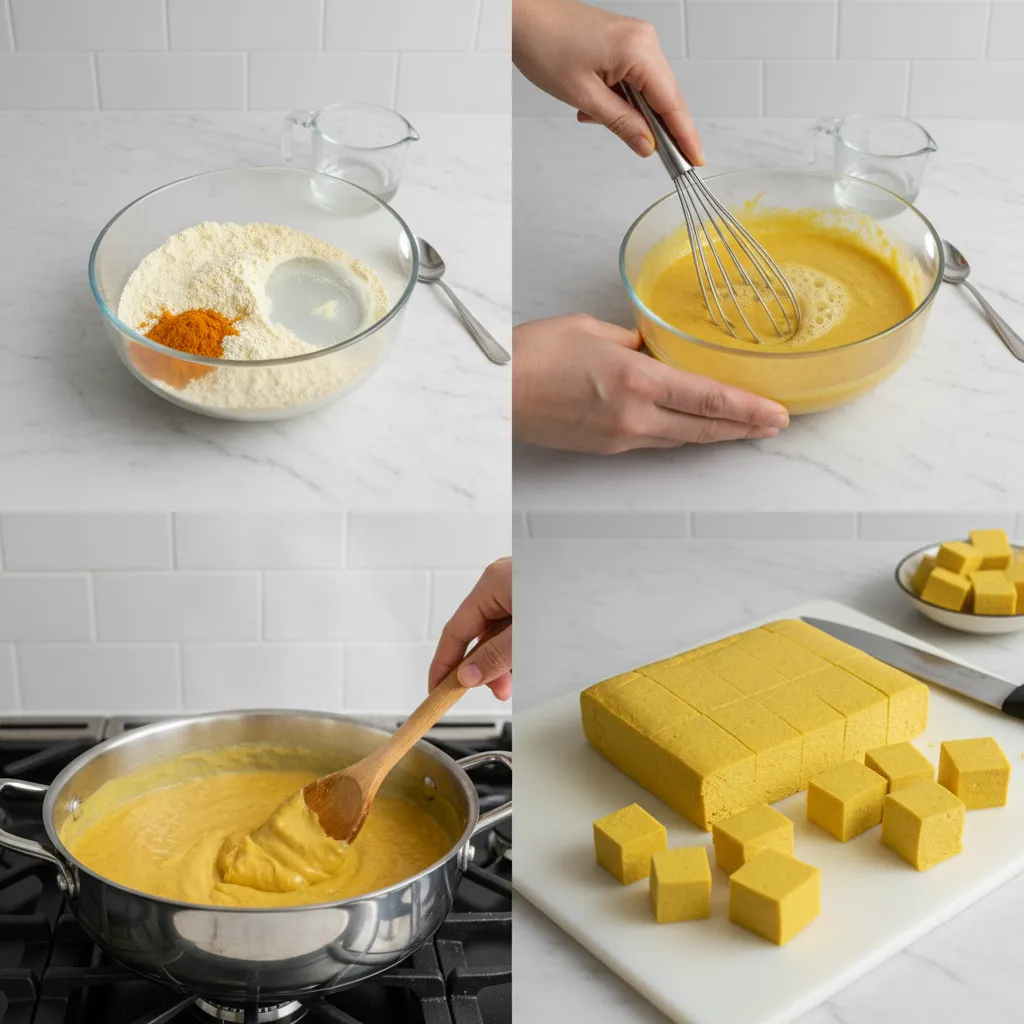
The method involves two main stages. First, you create a slurry by mixing some of the chickpea flour with cold water. Then, you bring the remaining water to a boil and slowly whisk in the slurry. You continue to whisk constantly as the mixture thickens, which happens quite quickly. After a few minutes of cooking, you pour the thick mixture into a greased dish and let it set. It will firm up at room temperature in about an hour.
A Versatile Chickpea Tofu Recipe
Once your tofu has set, the possibilities are endless. You can enjoy it in many ways, from simple salads to hearty curries. This chickpea tofu recipe is so adaptable that it will quickly become a staple in your kitchen. Because its flavor is so mild, it pairs well with a wide range of ingredients and cooking styles.
Serving it Fresh and Warm
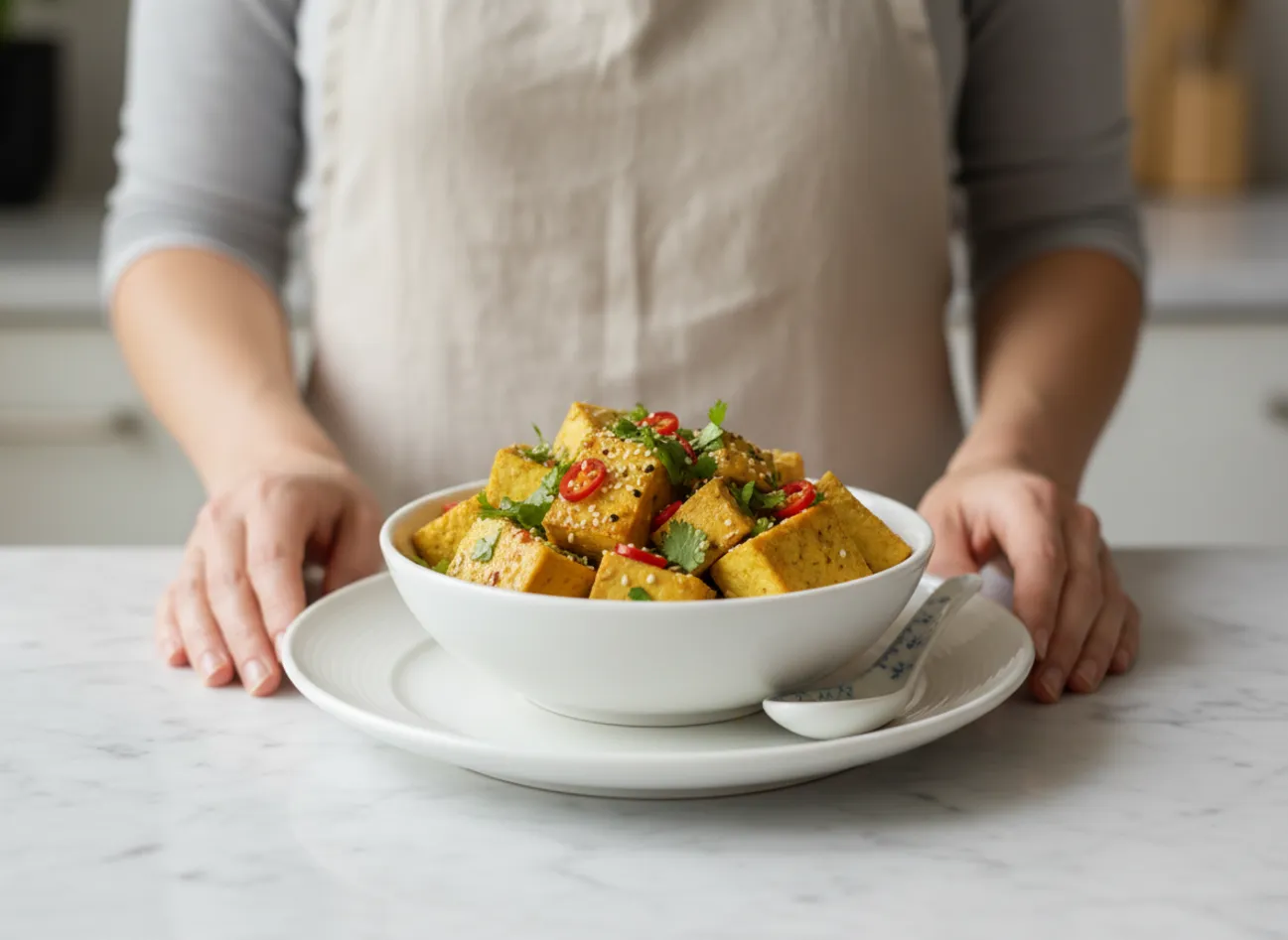
One of the most traditional ways to enjoy Burmese tofu is warm, shortly after it sets. You can slice it into cubes and toss it with a simple dressing of soy sauce, sesame oil, chili flakes, and fresh cilantro. This dish, known as tofu thoke (tofu salad), is a refreshing and flavorful way to experience its soft, custardy texture. The contrast between the warm, delicate tofu and the zesty dressing is truly delicious.
Frying for a Crispy Texture
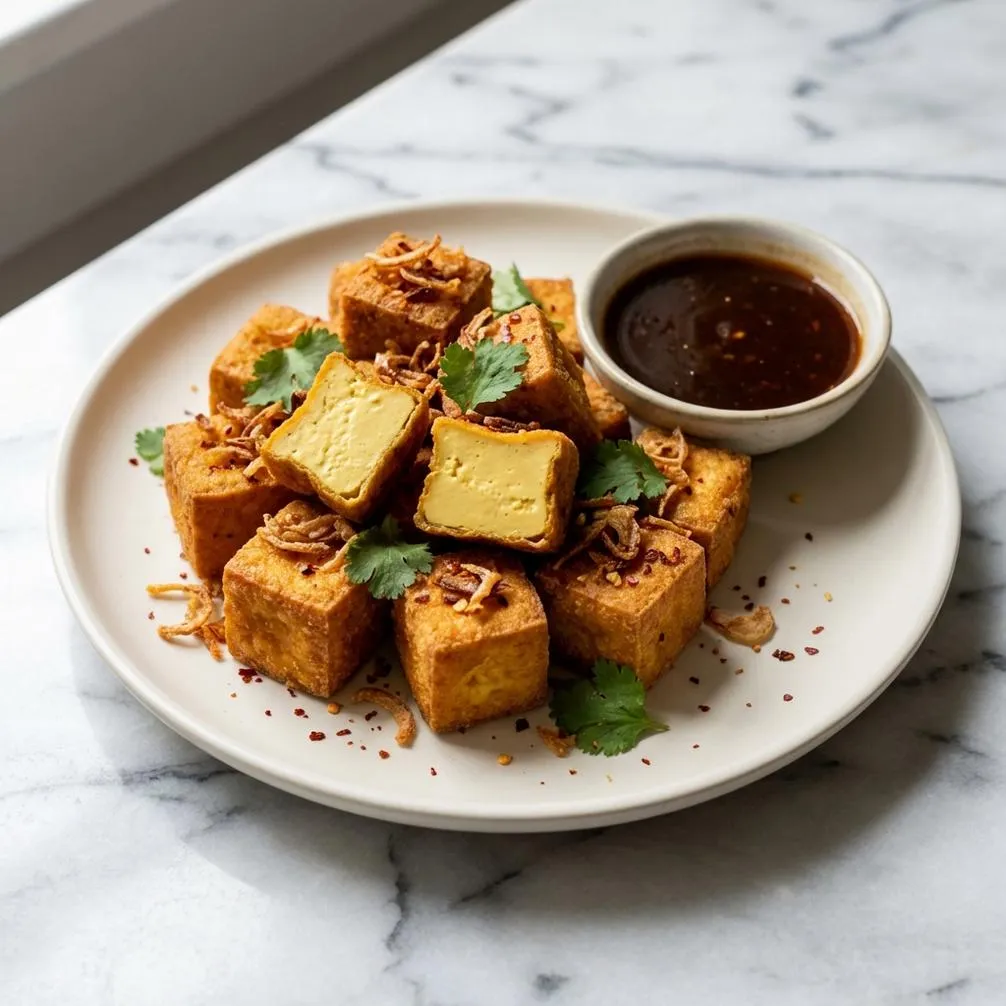
If you prefer a crispier texture, this tofu fries up beautifully. Once it has cooled and firmed up completely, cut it into cubes or triangles. You can then pan-fry, deep-fry, or air-fry the pieces until they are golden brown and crispy on the outside while remaining soft and creamy on the inside. These crispy bites are perfect for dipping in your favorite sauce or adding a satisfying crunch to salads and noodle dishes. Think of them as a more tender, flavorful crouton.
Tips for Perfecting Your Homemade Tofu
While this recipe is incredibly easy, a few tips can help you get the best results every time. From getting the consistency right to storing it properly, these small details make a big difference. With a little practice, you’ll be making this delicious soy-free tofu like a pro.
Achieving the Right Consistency
The key to perfect Burmese tofu is constant whisking. When you add the chickpea slurry to the boiling water, you must whisk vigorously to prevent lumps from forming. The mixture will thicken very quickly, so stay by the stove and keep the whisk moving. Cook it for a few minutes past the initial thickening stage to ensure the chickpea flour is fully cooked, which removes any raw flour taste. The final consistency should be like a very thick porridge before you pour it into the mold.
Storage and Shelf Life
You can store homemade Burmese tofu in the refrigerator for up to five days. For the best results, place it in an airtight container. Some people suggest storing it in water, but I find it keeps its texture better when stored dry. If it releases a little water in the container, simply pat it dry before using. This tofu is a great option for meal prep, as you can make a batch on the weekend and use it for quick meals throughout the week, perhaps alongside a simple copycat chicken dish for a varied dinner.
My Go-To Burmese Tofu Recipe
This recipe is simple, reliable, and produces delicious, creamy tofu every time. Give this amazing soy-free protein a try today.
Easy recipe for 3 Burmese Tofu: The Easiest Soy-Free Tofu
Ingredients
- 1 cup chickpea flour also known as besan or gram flour
- 3 cups water divided into 1 cup and 2 cups
- 0.5 tsp salt or to taste
- 0.25 tsp turmeric powder for color (optional)
- 1 tsp neutral oil for greasing the dish
Instructions
- Lightly grease an 8×8 inch baking dish or a similar sized container with neutral oil and set it aside.
- In a medium mixing bowl, combine the chickpea flour, salt, turmeric powder (if using), and 1 cup of the water. Whisk thoroughly until the mixture is completely smooth and free of lumps. This is your slurry.
- Pour the remaining 2 cups of water into a medium saucepan and bring it to a rolling boil over medium-high heat.
- Once the water is boiling, reduce the heat to medium and slowly pour the chickpea slurry into the saucepan while whisking constantly. It is crucial to whisk continuously to prevent any lumps from forming.
- Continue cooking and whisking for 5-8 minutes. The mixture will thicken significantly, resembling a thick porridge or polenta. You’ll know it’s ready when it starts to pull away from the sides of the saucepan as you stir.
- Working quickly, pour the hot mixture into the prepared greased dish. Use a spatula to spread it evenly and smooth the top.
- Let the tofu cool and set at room temperature for at least 1 hour, or until completely firm. You can speed up the process by placing it in the refrigerator after it has cooled slightly.
- Once fully set, carefully run a knife around the edges of the dish and invert the block onto a cutting board. Slice the Burmese tofu into cubes or your desired shape. It’s now ready to be eaten as is, pan-fried, or added to salads and curries.
Notes
Frequently Asked Questions
What is Burmese tofu made of?
Burmese tofu is not made from soy. Instead, its primary ingredient is chickpea flour (also called besan or gram flour). The other ingredients are simply water, salt, and often a pinch of turmeric for its characteristic yellow color. This makes it a naturally soy-free and gluten-free food.
What does Burmese tofu taste like?
It has a mild, savory, and slightly nutty flavor that comes from the chickpeas. Unlike soy tofu, which can be quite neutral, Burmese tofu has a distinct but delicate taste. Its texture is its most notable feature—when fresh, it is soft, creamy, and custardy, and when fried, it becomes crispy on the outside while staying tender inside.
Is Burmese tofu healthy?
Yes, it is a healthy food choice. It is a good source of plant-based protein and fiber from the chickpea flour. It is also naturally low in fat and free from cholesterol. Since it is soy-free and gluten-free, it is an excellent option for people with these dietary restrictions.
How is Burmese tofu different from regular tofu?
The main difference lies in the core ingredient. Regular tofu is made by coagulating soy milk to form curds, which are then pressed into blocks. Burmese tofu is made by cooking a batter of chickpea flour and water until it thickens, similar to making polenta, and then letting it set. This results in a softer, creamier texture and a different flavor profile.
A New Kitchen Staple
Making your own Burmese tofu is a rewarding and simple process that opens up a new world of culinary possibilities. This chickpea tofu recipe is not just for those with soy sensitivities; it’s for anyone who loves good food and enjoys trying new things. Its versatility, creamy texture, and savory flavor make it a wonderful addition to any meal. I hope you enjoy making and eating this incredible dish as much as I do.