One of my fondest memories is walking through a bakery in Japan and seeing a tray of impossibly tall, wobbly cheesecakes. They quivered with every movement, and I was completely mesmerized. Traditional Japanese cheesecake is a work of art, but it often relies heavily on cream cheese and butter. I wanted to create a version that captured that same magical lightness but felt a little less indulgent. That’s when I turned to a surprising ingredient from my pantry: tofu. The result is this incredible Japanese Souffle Cheesecake With Tofu, a dessert that is just as airy and delicious but with a healthier twist. It has a texture reminiscent of the lightest sponge cake but with the subtle tang of cheesecake. This recipe proves you don’t need heaps of dairy to create a showstopping dessert. Making a Japanese Souffle Cheesecake With Tofu is simpler than you think, and the jiggly result is pure joy.
Why Tofu is the Secret to an Unbelievably Fluffy Japanese Souffle Cheesecake
You might be raising an eyebrow at the thought of tofu in a cheesecake, but trust me on this. It is the key ingredient that gives this dessert its signature cloud-like texture while making it surprisingly light. Unlike dense, heavy cheesecakes, this one melts in your mouth.
The Magic of Silken Tofu
The specific type of tofu used here is crucial. We use silken tofu, not firm or extra-firm. Silken tofu has a very high water content and a custard-like consistency that blends perfectly into a smooth, creamy batter. When you puree it, it becomes completely undetectable, leaving behind no graininess. Instead, it provides a delicate, moist foundation that helps the cheesecake rise beautifully without becoming heavy. It replaces a large portion of the traditional cream cheese, cutting down on fat and calories significantly. The tofu acts as a neutral base, allowing the subtle flavors of vanilla and lemon to shine through.
Healthier Without Compromising on Flavor
Beyond its textural benefits, tofu brings a welcome nutritional boost. It adds plant-based protein to your dessert, making it more satisfying. For anyone looking to reduce dairy intake or simply enjoy a lighter treat, this Japanese Souffle Cheesecake With Tofu is the perfect solution. The common worry is that the tofu will taste, well, like tofu. However, because silken tofu is so mild, its flavor completely disappears into the batter. Your guests will never guess the secret ingredient; they will only notice the incredibly airy and delicate crumb. It’s a smart substitution that makes this classic dessert more accessible for modern, health-conscious kitchens.
Mastering the Perfect Japanese Souffle Cheesecake With Tofu
Creating that iconic jiggle requires attention to two key techniques: the meringue and the water bath. Getting these right is what separates a good cheesecake from a great one. Don’t worry, these steps are straightforward once you understand the “why” behind them.
The Importance of the Meringue
The “souffle” part of the name comes from the whipped egg whites, or meringue, that are folded into the batter. This is where the cake gets its lift and airy structure. First, you must make sure your mixing bowl and whisk are completely clean and free of any grease, as even a tiny bit of fat can prevent the egg whites from whipping up properly. You should whip the whites until they form stiff peaks. This means when you lift the whisk out of the bowl, the peak that forms holds its shape and doesn’t flop over. This sturdy meringue creates tiny air pockets that expand in the oven, causing the cake to rise dramatically. When folding the meringue into the cheesecake batter, you must be gentle to avoid deflating all that air you just worked to incorporate.
Perfecting the Water Bath (Bain-Marie)
A water bath, also known as a bain-marie, is essential for baking this delicate cheesecake. It involves placing your cake pan inside a larger pan and filling the larger pan with hot water. This setup does two important things. First, it creates a steamy, humid environment in the oven, which keeps the cheesecake top from drying out and cracking. Second, the water insulates the cake, allowing it to bake gently and evenly with indirect heat. This slow, gentle baking process is what cooks the custard-like batter into a stable yet soft structure, resulting in the famous wobbly texture of a Japanese Souffle Cheesecake With Tofu.
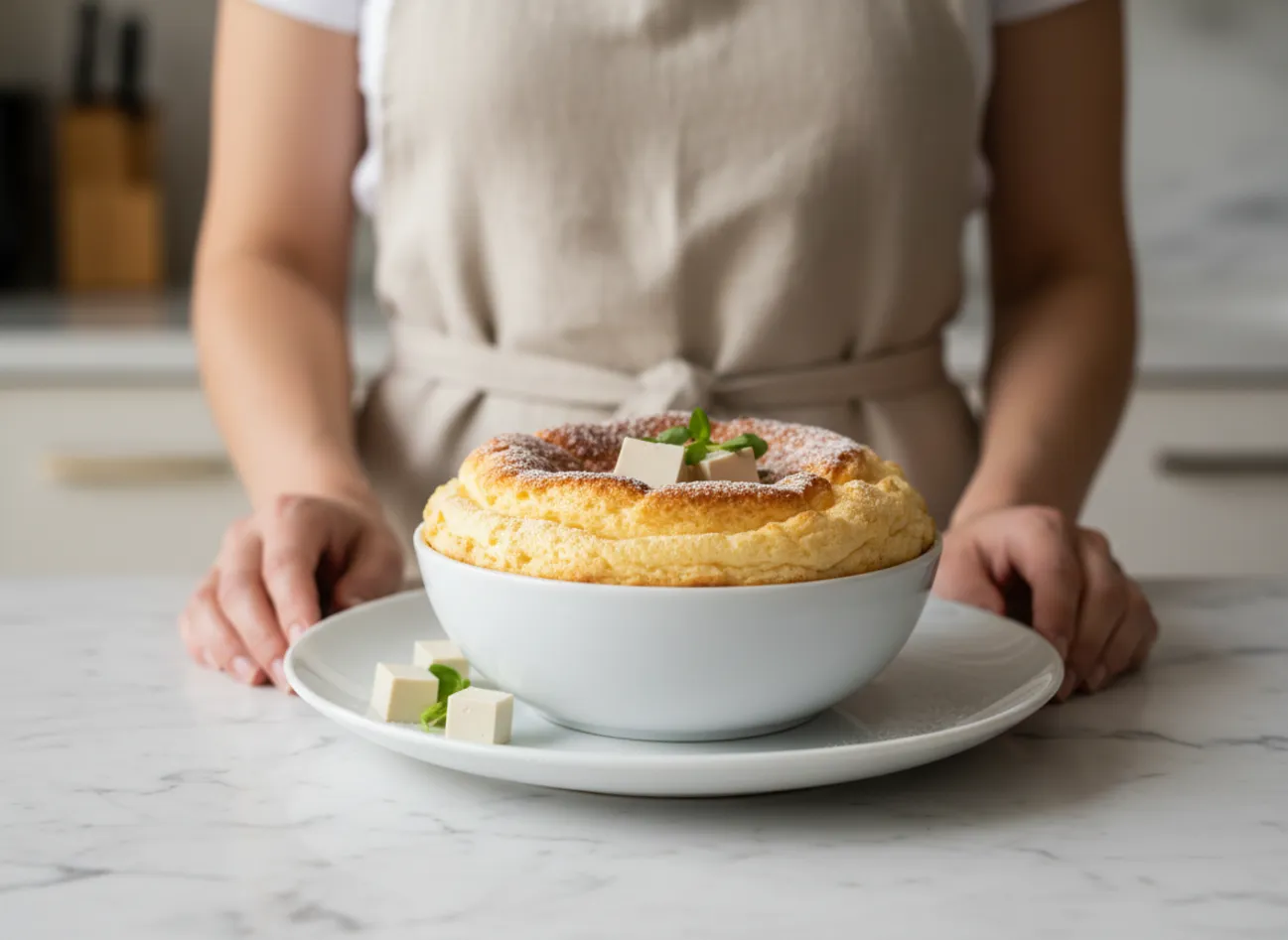
Making a Vegan Japanese Cheesecake with Tofu
With a few smart substitutions, you can easily adapt this recipe to be completely plant-based. The tofu base already gives you a head start, making this one of the simplest cheesecake recipes to convert. A vegan Japanese cheesecake offers the same delightful texture without any animal products.
Choosing Your Egg Replacer
The eggs in this recipe serve two functions: the yolks add richness, and the whites create the airy meringue. To make a vegan Japanese cheesecake, you need to address both. For the richness of the yolks, a small amount of cornstarch mixed with plant-based milk can act as a binder. For the meringue, the best substitute is aquafaba—the liquid from a can of chickpeas. It whips up into a stable, glossy meringue just like egg whites do. You will whip the aquafaba with cream of tartar and sugar until it forms stiff peaks, then gently fold it into your tofu batter. The result is astonishingly similar to the original. For more information on tofu varieties, you can review this helpful guide to tofu types.
Getting the Creaminess Right
Since the foundation of this recipe is already tofu, you are most of the way there. Just make sure the other dairy ingredients are swapped out. Use your favorite plant-based milk, such as soy or almond milk, in place of regular milk. For the butter, a high-quality vegan butter or even refined coconut oil will work well to add the necessary fat for a tender crumb. By making these simple changes, you create a delicious vegan Japanese cheesecake that everyone can enjoy, regardless of their dietary preferences. The key is to maintain the balance of ingredients to achieve that signature light and fluffy texture.
Tips for Storing and Serving Your Jiggly Cheesecake
Once your beautiful Japanese Souffle Cheesecake With Tofu has cooled, handling it properly will preserve its delicate texture. This cake is just as delicious the next day, and a few simple tips can make the experience even better.
How to Store for Maximum Freshness
This cheesecake must be stored in the refrigerator. After it has cooled completely to room temperature, cover it loosely with plastic wrap or place it in an airtight container. The loose covering prevents condensation from forming on the surface, which could make the top soggy. It will keep well in the fridge for up to three days. In fact, many people prefer the texture on the second day, as the flavors have had more time to meld and the cake becomes a little firmer, making it easier to slice cleanly. Avoid freezing this cheesecake, as the delicate, airy structure does not hold up well to thawing.
Serving Suggestions
You can serve this cheesecake either slightly warm from the oven or chilled from the refrigerator. Each offers a different experience. When warm, it is incredibly soft and cloud-like. When chilled, it becomes a bit denser and more custard-like, though still very light. A simple dusting of powdered sugar is the traditional way to serve it, which adds a touch of sweetness without overpowering the cake’s delicate flavor. For a bit of freshness, serve it with a side of fresh berries, like strawberries or raspberries. A dollop of lightly sweetened whipped cream or a plant-based whipped topping also pairs wonderfully with its subtle tang.
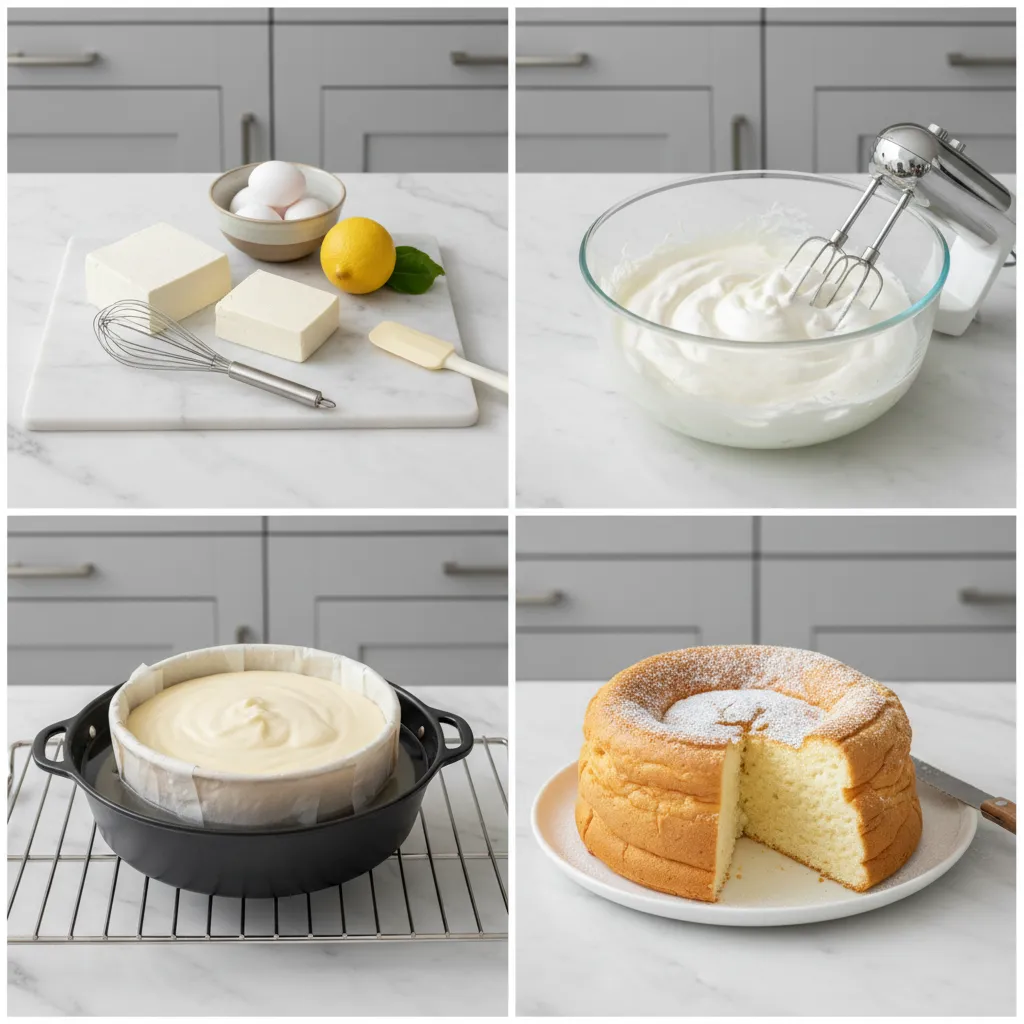
Japanese Souffle Cheesecake With Tofu Recipe
Ready to bake the lightest, jigggliest cheesecake of your life? This recipe breaks it down into simple steps for guaranteed success.
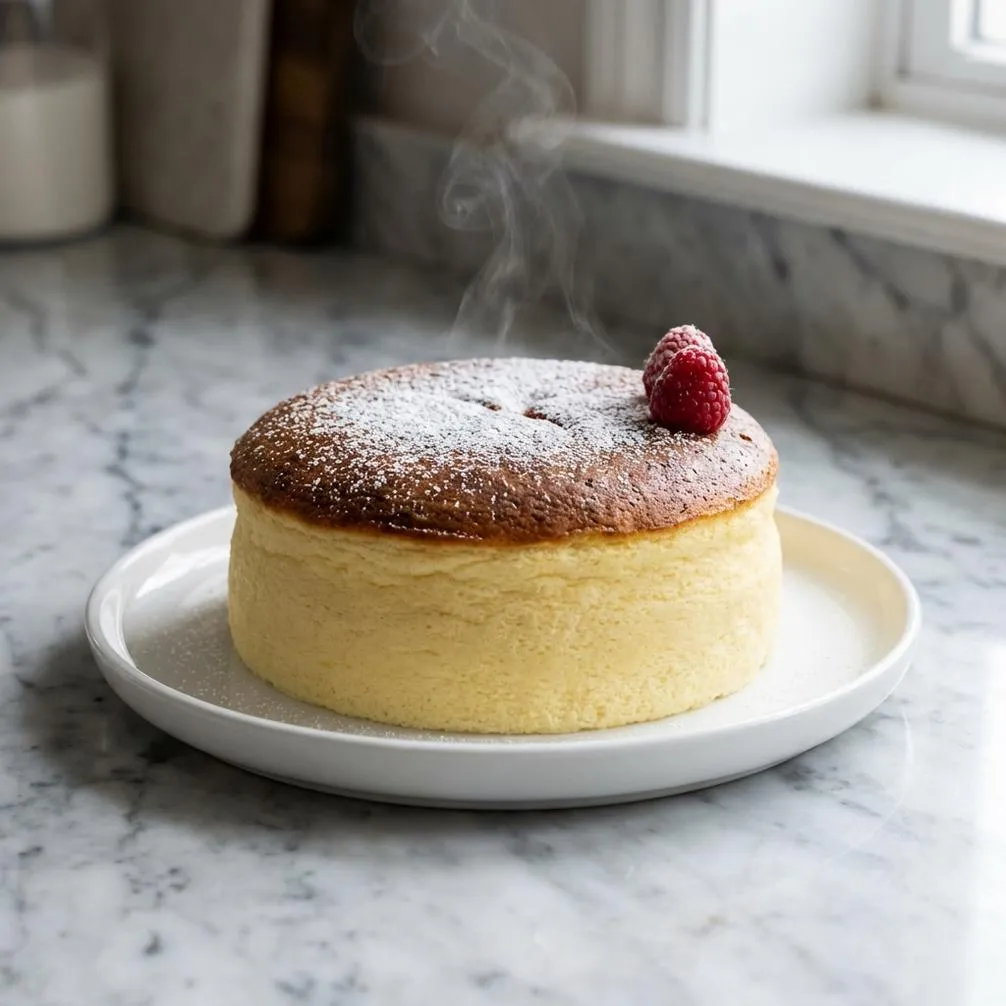
Secret to the best 3-Step Japanese Souffle Cheesecake With Tofu
Ingredients
- 200 g silken tofu well-drained and patted dry
- 100 g cream cheese softened to room temperature
- 3 large eggs separated, at room temperature
- 60 g granulated sugar divided
- 50 ml whole milk at room temperature
- 30 g unsalted butter melted
- 40 g cake flour sifted
- 15 g cornstarch sifted
- 1 tsp vanilla extract
- 1 tsp lemon juice freshly squeezed
Instructions
- Step 1: Create the Cheese & Tofu Batter. Preheat your oven to 320°F (160°C). Prepare a 6-inch round cake pan by lining the bottom and sides with parchment paper. In a blender or food processor, combine the well-drained silken tofu, softened cream cheese, milk, melted butter, and egg yolks. Blend until completely smooth and lump-free. Pour the mixture into a large bowl. Sift the cake flour and cornstarch directly into the tofu mixture and whisk until just combined. Stir in the vanilla extract and half of the granulated sugar. Set aside.
- Step 2: Make the Meringue and Fold. In a separate, scrupulously clean bowl, use an electric mixer to beat the egg whites on medium speed until foamy. Add the lemon juice. Gradually add the remaining granulated sugar while beating on medium-high speed. Continue to beat until the meringue forms stiff, glossy peaks (when you lift the beater, the peak should hold its shape and point straight up or curl slightly at the tip). Gently fold one-third of the meringue into the tofu-cheese batter to lighten it. Then, add the remaining meringue and fold gently with a spatula until just combined, being careful not to deflate the batter. The final batter should be airy and light.
- Step 3: Bake in a Water Bath. Pour the batter into the prepared cake pan and gently tap the pan on the counter a few times to release any large air bubbles. Place the cake pan inside a larger roasting pan. Carefully pour hot water into the roasting pan until it comes about 1-inch up the sides of the cake pan. Bake for 50-60 minutes, or until the top is golden brown and a skewer inserted into the center comes out clean. Turn off the oven, crack the door open, and let the cheesecake cool in the oven for 30 minutes. Remove from the oven and water bath, and let it cool completely on a wire rack before refrigerating for at least 4 hours, or preferably overnight.
Notes
Frequently Asked Questions
Can I make this Japanese Souffle Cheesecake With Tofu gluten-free?
Yes, absolutely. To make this recipe gluten-free, simply substitute the all-purpose flour with a good quality gluten-free all-purpose flour blend that contains xanthan gum. The rest of the ingredients are naturally gluten-free, making this an easy conversion.
What kind of tofu is best for this cheesecake?
Silken or soft tofu is essential for this recipe. Do not use firm or extra-firm tofu, as it will not blend into a smooth, creamy consistency and will result in a grainy texture. Silken tofu is what gives the cheesecake its signature melt-in-your-mouth feel.
Why did my souffle cheesecake crack on top?
Cracking is usually caused by one of two things: the oven temperature being too high or opening the oven door too early. A water bath helps prevent this by keeping the oven environment moist and the temperature stable. Also, avoid opening the oven door during baking, as the sudden drop in temperature can cause the cake to collapse and crack.
How do I get the signature “jiggle” in my cheesecake?
The jiggle comes from a perfect meringue and gentle baking. Whipping the egg whites to stiff, stable peaks provides the airy structure, while the slow, even heat from the water bath sets the batter just enough without over-baking it. Let the cake cool gradually in the turned-off oven with the door ajar to prevent it from deflating too quickly.
The Perfect Light Dessert
This Japanese Souffle Cheesecake With Tofu is more than just a recipe; it’s a delightful experience. From the moment you pull the wobbly, golden-brown cake from the oven to the first light-as-air bite, you’ll see why it’s so special. It’s a dessert that impresses without feeling heavy, and it brings a bit of modern wellness to a beloved classic. I hope you enjoy making—and eating—this wonderfully jiggly creation as much as I do.