Some of my fondest childhood memories revolve around the Sunday roast. The whole family would gather, the house filled with incredible aromas, and at the center of it all was my grandmother’s lamb. It wasn’t just any lamb; it was her version of the Ultimate Slow Roast Lamb, a dish so tender it practically melted in your mouth. She taught me that patience is the most important ingredient. This recipe is my tribute to those memories, a method perfected over years to create that same fall-off-the-bone texture. This Ultimate Slow Roast Lamb is more than a meal; it’s a centerpiece that brings everyone to the table. I still remember her pairing it with a spread of delicious vegetable sides that completed the feast. Making this Ultimate Slow Roast Lamb today instantly transports me back to her warm, loving kitchen.
There is something truly special about a perfectly cooked lamb roast. It’s the kind of meal reserved for celebrations, family dinners, and moments you want to remember. My recipe for the Ultimate Slow Roast Lamb gives you incredibly tender, juicy meat that shreds with a fork. Forget tough, dry roasts; this method is practically foolproof. The secret isn’t a long list of complicated ingredients. Instead, it comes down to three simple, yet critical, tips that make all the difference. Follow these, and you’ll have a show-stopping main course that will have everyone asking for your secret.
Why This Ultimate Slow Roast Lamb Works
The magic of this recipe lies in its simplicity and the science behind low-temperature cooking. By taking our time, we allow the tough connective tissues in the lamb to break down into rich, flavorful gelatin. This process results in meat that is not only succulent but also deeply infused with the flavors of the garlic, rosemary, and lemon. It’s a forgiving technique that consistently produces amazing results.
Tip 1: The Low and Slow Method
The most important part of this recipe is cooking the lamb at a low temperature for a long time. Roasting at around 325°F (160°C) for several hours allows the heat to penetrate the meat gently. Consequently, the muscle fibers relax instead of tensing up, which is what often causes toughness. This slow process melts the fat and collagen, basting the meat from the inside out and keeping it incredibly moist. You are not just cooking the lamb; you are transforming it.
Tip 2: A Simple, Flavorful Marinade
You don’t need a complex marinade to make lamb shine. In fact, a few key ingredients are all it takes to complement the meat’s natural flavor. I use a classic combination of garlic, fresh rosemary, lemon zest, olive oil, salt, and pepper. You simply mash these into a paste and rub it all over the lamb. This aromatic coating forms a delicious crust as the lamb roasts, and its flavors seep deep into the meat during the long cooking time.
Choosing the Right Cut for Your Roast Lamb
Selecting the right cut of lamb is the first step toward a successful roast. While several cuts work well for slow roasting, the most popular choices are the leg and the shoulder. Both offer a fantastic balance of meat and fat, which is key for a juicy final product. Your butcher can help you choose a piece that is the right size for your gathering.
Leg of Lamb vs. Shoulder
A leg of lamb is a leaner cut, offering large, tender muscles perfect for carving into neat slices, even after slow cooking. It presents beautifully on a platter. In contrast, a lamb shoulder has more fat and connective tissue. This makes it an excellent candidate for slow roasting, as all that marbling breaks down into succulent, shreddable meat. For this specific Ultimate Slow Roast Lamb recipe, either cut works wonderfully, so choose based on your preference.
Bone-In or Boneless?
I almost always recommend a bone-in cut for a slow roast. The bone adds a tremendous amount of flavor to the meat as it cooks. Furthermore, it helps conduct heat, allowing the lamb to cook more evenly. While a boneless cut might be slightly easier to carve, the benefits of cooking with the bone in are undeniable. You will notice a richer, deeper flavor in the final dish.
Perfecting Your Slow Roast Leg of Lamb
Once you have your lamb and your simple marinade, the next stage is all about technique. Getting the details right during the cooking and resting process will turn a good roast into a great one. These steps are straightforward, but they are vital for achieving that fall-off-the-bone tenderness we all crave in a slow roast leg of lamb.
Tip 3: The Importance of Resting
This might be the most overlooked yet crucial step in the entire process. After you remove the lamb from the oven, you must let it rest for at least 20-30 minutes before carving. Tenting it loosely with foil will keep it warm. During this time, the juices, which have migrated to the center of the roast, redistribute throughout the meat. If you slice into it immediately, all that flavorful moisture will spill out onto the cutting board, leaving you with dry lamb. Be patient; this final wait is worth it.
Understanding the Meat
Lamb is a popular meat across many cultures, known for its distinct, rich flavor. The term refers to the meat of a young sheep, typically under one year old. This is different from mutton, which comes from an adult sheep and has a stronger, more gamey taste. For more background on the distinctions, you can read about Lamb and mutton. When preparing a slow roast leg of lamb, you are working with a cut that benefits immensely from gentle cooking, which brings out its best qualities.
Serving and Storing Your Lamb Roast
After hours of patient cooking and resting, your lamb is ready for its moment of glory. How you serve and store it will make sure that none of your hard work goes to waste. A great roast can provide delicious meals for days to come if handled properly.
How to Carve Fall-Apart Lamb
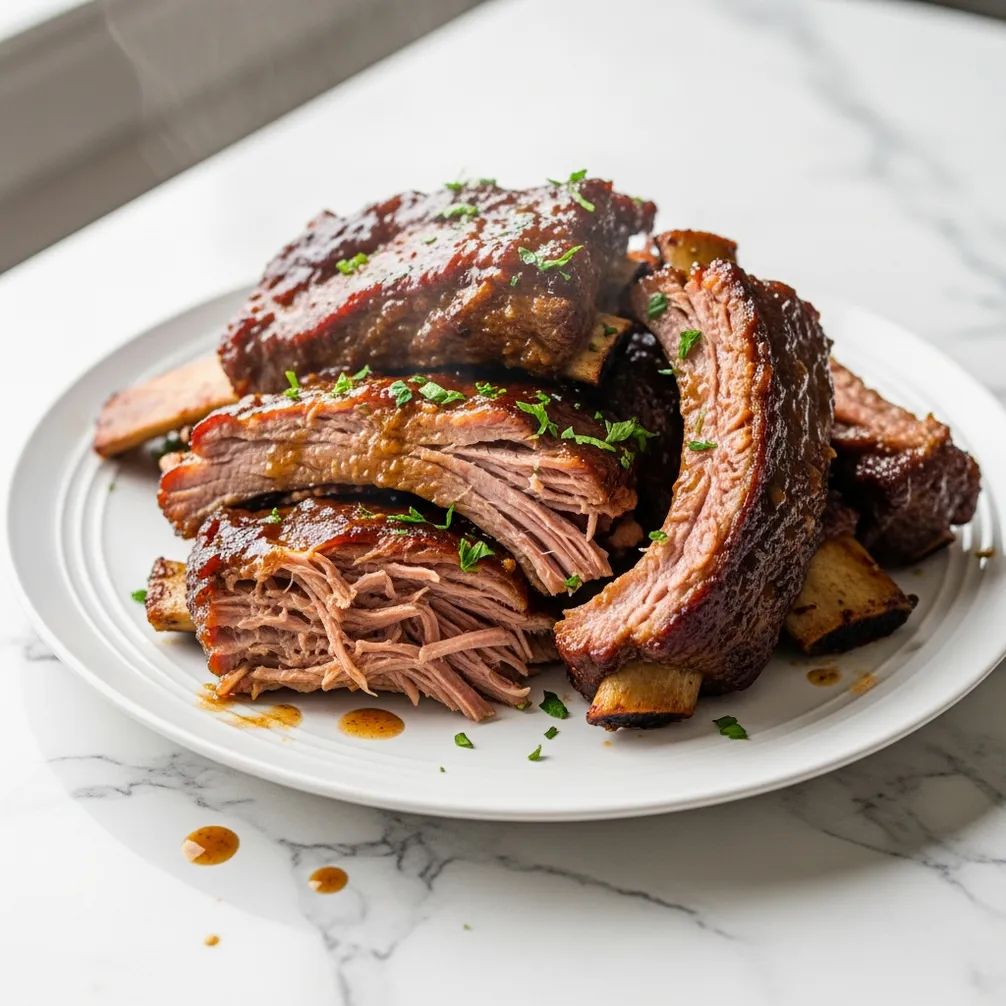
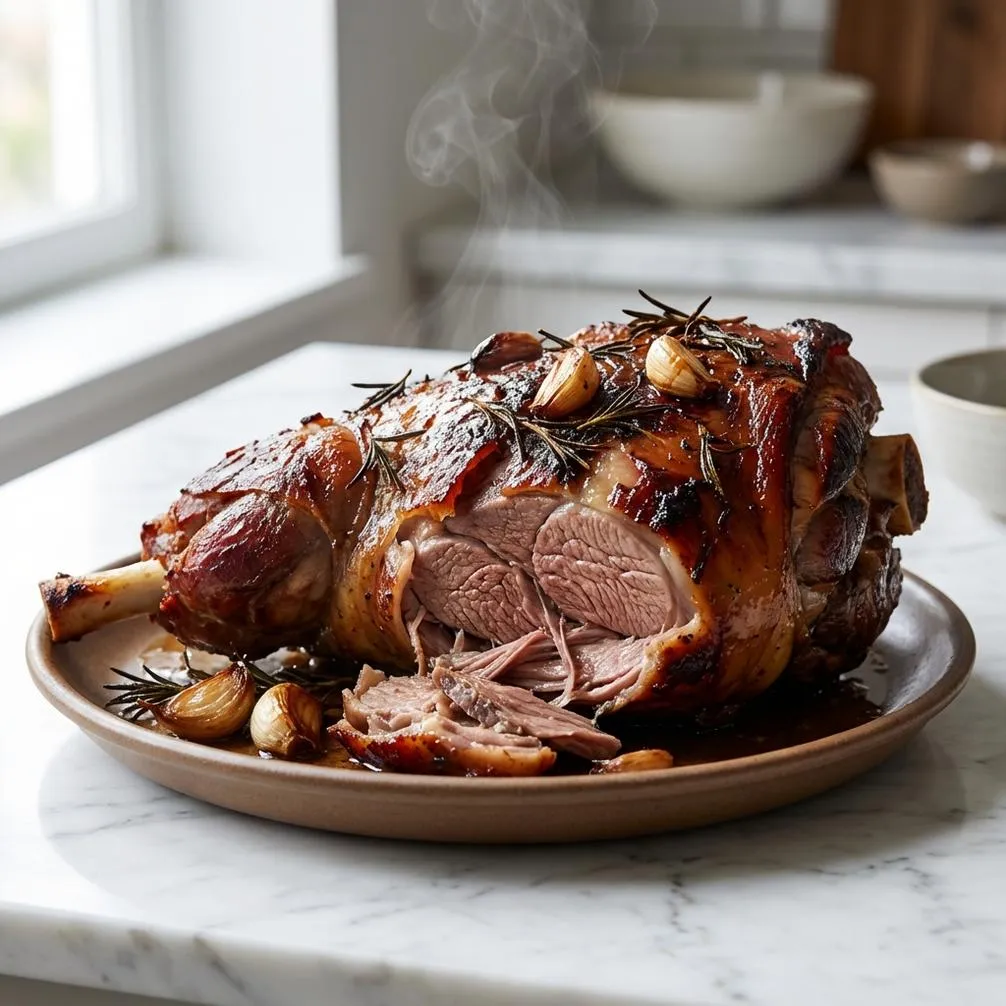
With this Ultimate Slow Roast Lamb, you don’t really carve—you pull. The meat should be so tender that you can use two forks to gently shred it away from the bone. You can also use tongs to pull off larger chunks. Serve the shredded meat on a warm platter, and be sure to spoon over some of the delicious pan juices. The rustic, generous piles of lamb look inviting and taste even better.
Storing and Using Leftovers
If you have any leftover lamb, store it in an airtight container in the refrigerator for up to three days. The meat is fantastic in sandwiches, salads, or tacos the next day. You can also use it to make a quick shepherd’s pie or a hearty lamb stew. To reheat, simply place the lamb in an oven-safe dish with a splash of broth or water, cover with foil, and warm it gently in the oven until heated through.
The Ultimate Slow Roast Lamb Recipe
This recipe delivers a tender, flavorful roast that will become a family favorite for years to come. Just follow the simple steps for a meal that feels special without the stress.
Secret to the best Ultimate Slow Roast Lamb: 3 Tips
Ingredients
- 1 bone-in leg of lamb approximately 5 lbs (2.2kg)
- 1 head garlic cloves separated and peeled
- 4 sprigs fresh rosemary
- 2 tbsp olive oil
- 1.5 tsp coarse sea salt
- 1 tsp freshly ground black pepper
- 2 large onions peeled and quartered
- 2 cups beef or lamb stock or a mix of stock and red wine
Instructions
- Tip 1: Bring to Room Temperature. Remove the lamb from the refrigerator at least 1 hour before cooking. Pat it completely dry with paper towels. This ensures the lamb cooks evenly from the start. Preheat your oven to 325°F (160°C).
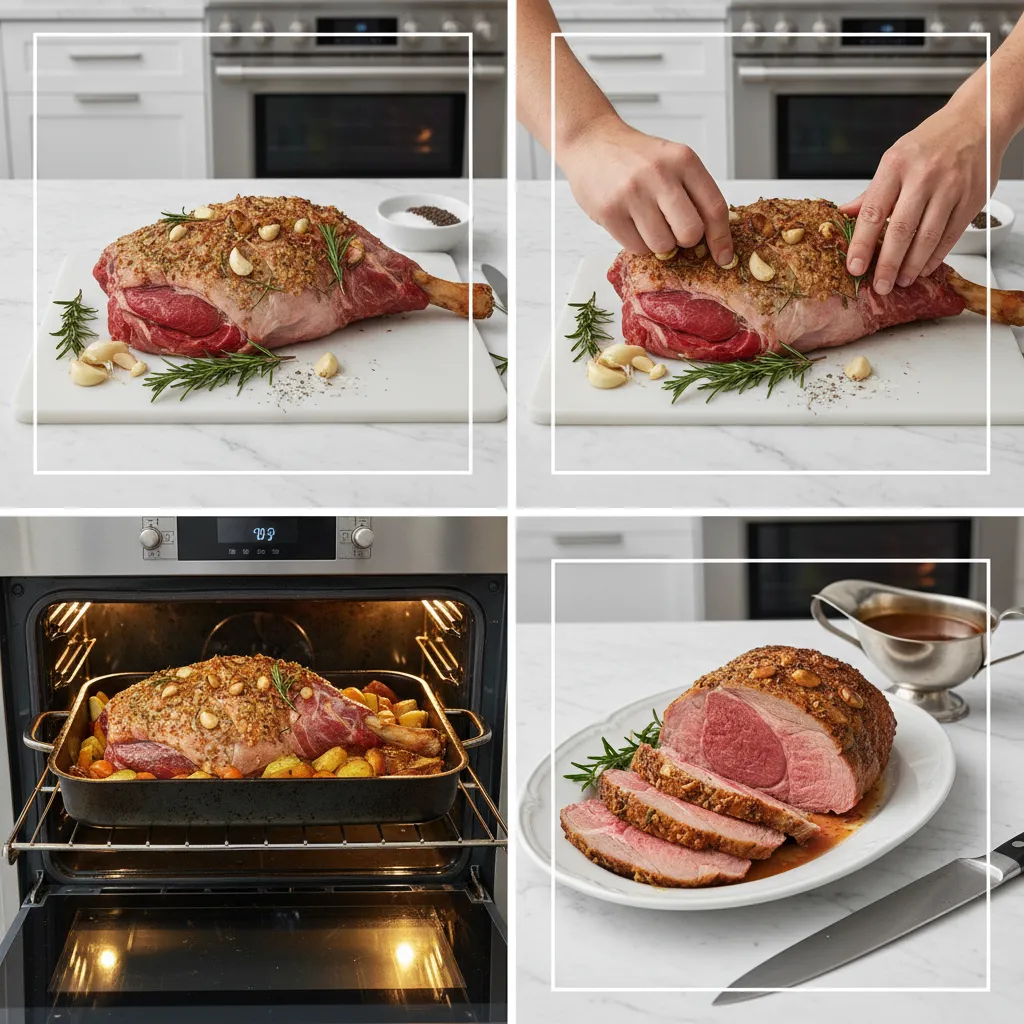
- Tip 2: Score & Infuse Flavor. Using a sharp knife, make small, deep incisions all over the lamb, about 1-inch apart. Cut some of the garlic cloves into slivers. Pick the leaves from 2 rosemary sprigs. Stuff a sliver of garlic and a few rosemary leaves into each incision, pushing them deep into the meat.
- Scatter the quartered onions and the remaining whole garlic cloves and rosemary sprigs into the bottom of a large, deep roasting pan to create a natural rack for the lamb.
- Rub the entire surface of the lamb with olive oil. Season very generously all over with the coarse sea salt and freshly ground black pepper, rubbing it into the skin.
- Place the seasoned lamb on top of the onions in the roasting pan. Pour the stock (and/or red wine) into the bottom of the pan, being careful not to wash the seasoning off the lamb.
- Tip 3: Low & Slow, Covered. Cover the roasting pan tightly with a double layer of aluminum foil. This traps the steam and moisture, which is key to tender, fall-off-the-bone meat. Place in the preheated oven.
- Roast for 4 hours, basting the lamb with the pan juices every hour. After 4 hours, remove the foil. Increase the oven temperature to 400°F (200°C) and roast for a final 20-30 minutes, or until the skin is golden brown and crisp.
- Crucial Final Step: Rest the Meat. Carefully transfer the lamb to a warm cutting board or platter. Cover it loosely with foil and let it rest for at least 20-30 minutes before carving. This allows the juices to redistribute throughout the meat, ensuring it’s succulent and not dry. Do not skip this step!
- While the lamb rests, you can make a gravy from the pan drippings. Strain the liquid from the roasting pan into a saucepan, skim off the excess fat, and simmer until thickened. Serve the tender lamb with the pan gravy.
Notes
Frequently Asked Questions
What temperature is best for slow roasting lamb?
For the best results, a low temperature of 325°F (160°C) is ideal. This gentle heat allows the tough connective tissues to break down slowly, resulting in exceptionally tender meat without drying it out.
Do I need to cover lamb when slow roasting?
Yes, I recommend covering the lamb with foil for the first few hours of cooking. This traps the steam and moisture, helping to keep the meat succulent. You can then remove the foil for the last 30-45 minutes to allow the skin to brown and crisp up.
How do you keep slow-roasted lamb from drying out?
The key is a combination of low temperature, covering the roast, and a good amount of fat on the cut. Cooking it in a roasting pan with a small amount of liquid, like stock or wine, at the bottom also creates a steamy environment that prevents the meat from becoming dry. Finally, never skip the resting period.
How long does it take to slow roast a 2kg leg of lamb?
A 2kg (approximately 4.5 lbs) leg of lamb will typically take about 4 to 4.5 hours at 325°F (160°C). However, the best indicator of doneness is texture, not time. The meat should be completely tender and easily pull away from the bone with a fork.
Conclusion
Creating an unforgettable meal doesn’t have to be complicated. This Ultimate Slow Roast Lamb recipe proves that with a little patience and a few simple techniques, you can produce a dish that is deeply satisfying and impressive. The low-and-slow method, a simple marinade, and a proper rest are the three pillars that support this incredible roast. I hope this recipe brings as much joy and comfort to your table as it has to mine. Give it a try, and watch it become a treasured tradition in your home.