Some of my fondest memories involve the smell of a pie baking in my grandmother’s oven. The scent of apples and cinnamon would fill the house, but the real star was always her incredibly tender crust. For years, I thought that rich, buttery flavor was impossible to replicate without dairy. When I needed a dairy-free alternative, I almost gave up on pie altogether. That is, until I discovered the magic of coconut oil. It took some experimenting, but I finally created a Dairy Free Flaky Coconut Oil Pie Crust that is just as rich and tender as the one I grew up with. This recipe is a game-changer, producing a wonderfully crisp and flavorful base for any filling you can imagine. It’s so good, you won’t even miss the butter. In fact, this Dairy Free Flaky Coconut Oil Pie Crust has become my go-to for everything from holiday desserts to savory weeknight dinners.
Why This Dairy Free Flaky Coconut Oil Pie Crust Works So Well
A truly great pie starts with an exceptional crust. The crust provides the foundational texture and flavor that complements the filling. While butter has long been the traditional choice for creating flaky layers, coconut oil offers a fantastic dairy-free alternative that delivers remarkable results. The unique properties of coconut oil create a crust that is both tender and wonderfully crisp, making this Dairy Free Flaky Coconut Oil Pie Crust a standout recipe for bakers of all skill levels.
The Science of a Flaky Crust
The secret to a flaky crust lies in creating small pockets of fat within the dough. When the pie bakes, the fat melts and releases steam. This steam pushes the layers of dough apart, forming the delicate, airy flakes we all love. Solid, cold fat is essential for this process. If the fat melts into the flour before baking, you end up with a tough, dense crust instead. Coconut oil, which is solid at room temperature, behaves very similarly to butter in this regard. When kept cold and cut into the flour, it creates those crucial pockets needed for a perfect flaky texture.
Coconut Oil vs. Butter
Many people wonder if coconut oil can truly replace butter in a pie crust. The answer is a resounding yes. Solid, refined coconut oil has a neutral flavor, so it won’t make your apple pie taste like a macaroon. It also has a high melting point, which gives you a bit more working time before it softens. The result is a crust that is incredibly tender with a light, clean flavor that allows your pie filling to shine. This recipe shows just how simple it is to get a buttery-tasting crust without any dairy.
Mastering Your Coconut Oil Pie Crust Technique
Making a pie crust from scratch can seem intimidating, but with a few key techniques, you can produce a perfect crust every time. The most important rule is to keep everything cold. Your coconut oil, water, and even your flour should be chilled before you begin. This prevents the coconut oil from melting prematurely and helps create those distinct flaky layers. This approach is fundamental to creating an amazing Dairy Free Flaky Coconut Oil Pie Crust.
Choosing the Right Coconut Oil
For this recipe, you must use solid, cold coconut oil. Do not use liquid or melted coconut oil, as it will blend completely with the flour and result in a dense, oily crust. I recommend using refined coconut oil because it has a neutral taste. Unrefined or virgin coconut oil will impart a noticeable coconut flavor, which might be nice for a coconut cream pie but can clash with other fillings like apple or pumpkin. Keep the jar in the refrigerator for at least an hour before you start.
Handling the Dough with Care
Overworking the dough is a common mistake that leads to a tough crust. When you mix the flour and water, you activate gluten development. A little gluten provides structure, but too much makes the crust chewy instead of tender. Mix the dough just until it comes together. It’s okay if you see a few dry spots or streaks of coconut oil. Handle the dough as little as possible when you roll it out. This gentle touch is key to a tender, flaky finish that will make your pies famous.
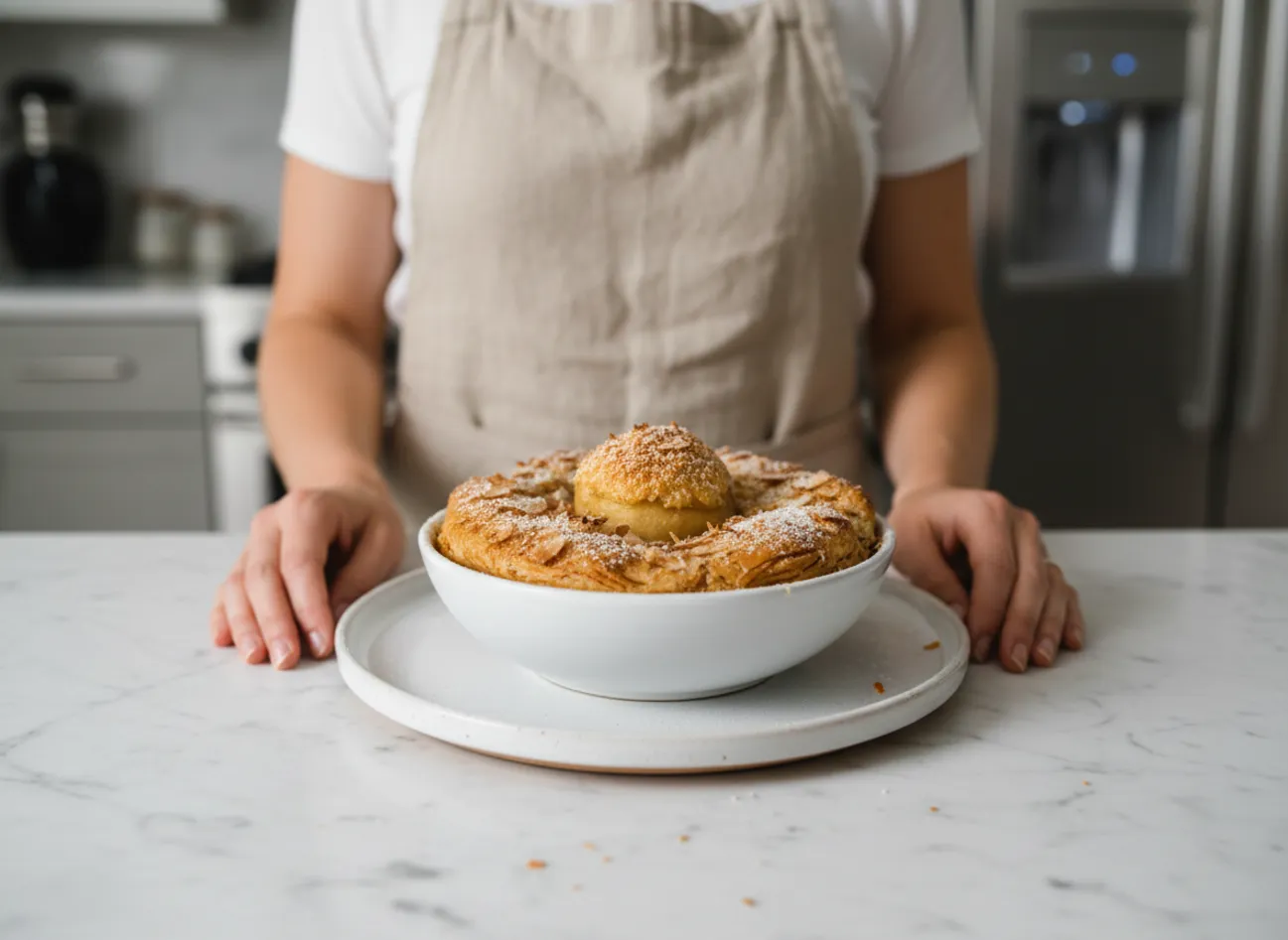
Creating a Versatile Vegan Coconut Oil Pie Crust Recipe
One of the best things about this recipe is its versatility. It works beautifully for both sweet and savory dishes, making it a staple you can turn to for any occasion. Because it contains no animal products, it’s a fantastic vegan coconut oil pie crust recipe that everyone can enjoy. Whether you are baking a classic fruit pie for a holiday gathering or a savory quiche for a weekend brunch, this crust provides the perfect base. You can even try it for some unique breakfast pastries.
Sweet and Savory Filling Ideas
This crust pairs wonderfully with almost any filling. For a sweet treat, try it with a classic apple, cherry, or pumpkin pie. It’s also sturdy enough to hold up to rich custard fillings like a chocolate silk pie or a lemon meringue pie. On the savory side, this crust is perfect for a vegetable pot pie, a hearty quiche, or individual meat pies. You can add a pinch of dried herbs like thyme or rosemary to the flour for an extra layer of flavor that complements savory ingredients. The neutral flavor of the crust makes it an ideal canvas for your culinary creations.
A Modern Take on Tradition
The concept of a pie crust has been around for centuries, traditionally made with lard or butter. This recipe honors that tradition of creating a simple, flaky pastry while adapting it for modern dietary needs. By swapping butter for coconut oil, we maintain the essential texture and purpose of a classic crust while making it accessible to those who avoid dairy or follow a vegan lifestyle. It proves that you don’t need traditional ingredients to make something truly delicious. This is simply a modern, plant-based approach to a timeless culinary staple.
Your Guide to a Flawless Dairy-Free Pie Crust
From rolling to baking, the final steps are where your pie crust comes to life. A few simple tips will help you get a beautiful, golden-brown crust that bakes evenly and holds its shape. Whether you are a seasoned baker or trying this for the first time, these guidelines will lead you to success. The goal is a crust that is not only delicious but also looks stunning as the centerpiece of your dessert table.
Rolling and Shaping the Dough
After your dough has chilled, it’s time to roll it out. Lightly flour your work surface and rolling pin to prevent sticking. Start rolling from the center of the dough and work your way out, rotating the dough a quarter turn after each roll. This helps create an even circle. Aim for a thickness of about 1/8 inch. To transfer the dough to your pie plate, gently roll it around your rolling pin, then unroll it over the plate. Don’t stretch the dough to fit; simply ease it into the bottom and up the sides.
Crimping and Baking to Perfection
Trimming and crimping the edges gives your pie a professional finish. Use a sharp knife to trim the excess dough, leaving about a half-inch overhang. Fold the overhang under itself to create a thick rim. You can then crimp the edges using your fingers or the tines of a fork. For pies with wet fillings, it’s a good idea to blind bake the crust first. This involves lining the crust with parchment paper, filling it with pie weights or dried beans, and baking it until it’s lightly golden. This step prevents a soggy bottom and gives you a perfectly crisp crust.
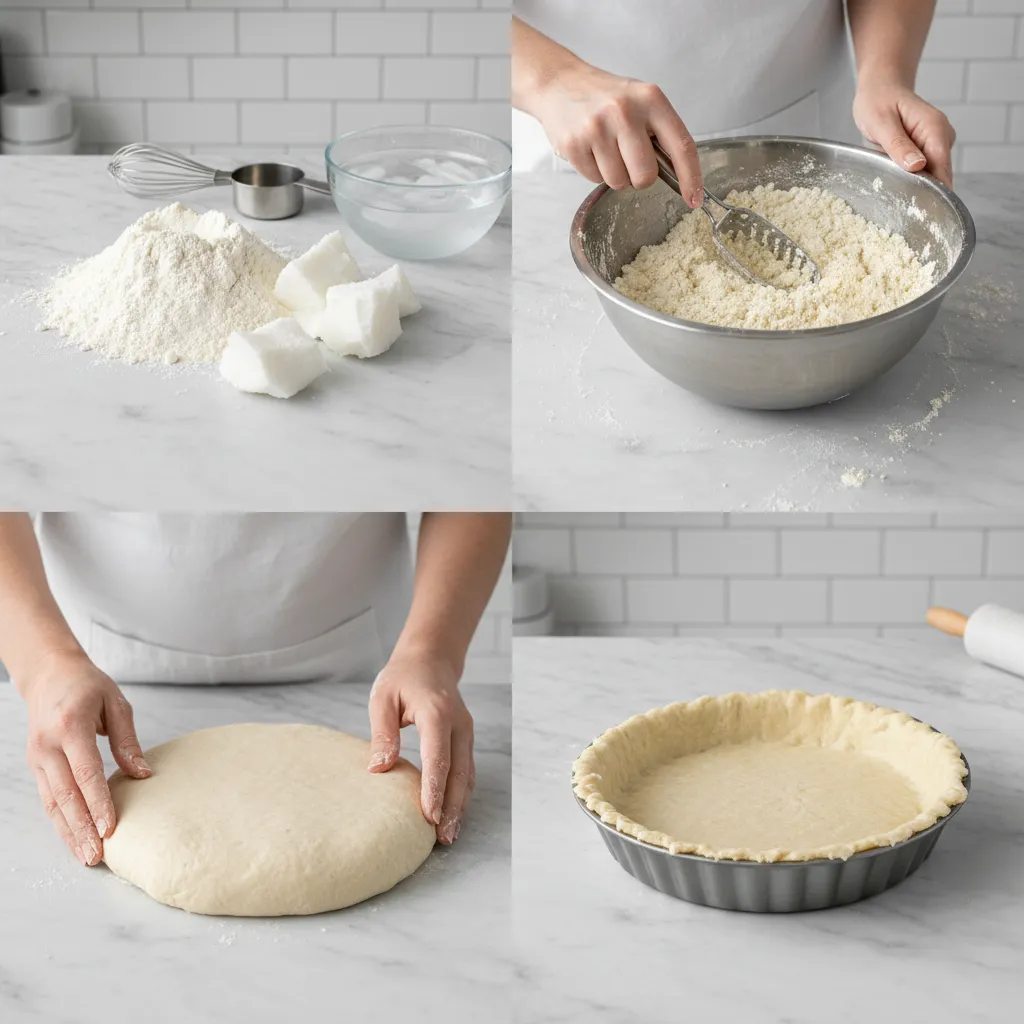
Recipe for Dairy Free Flaky Coconut Oil Pie Crust
This simple recipe will become your new favorite for any pie you make. Follow the steps closely for a perfect, flaky crust every time.
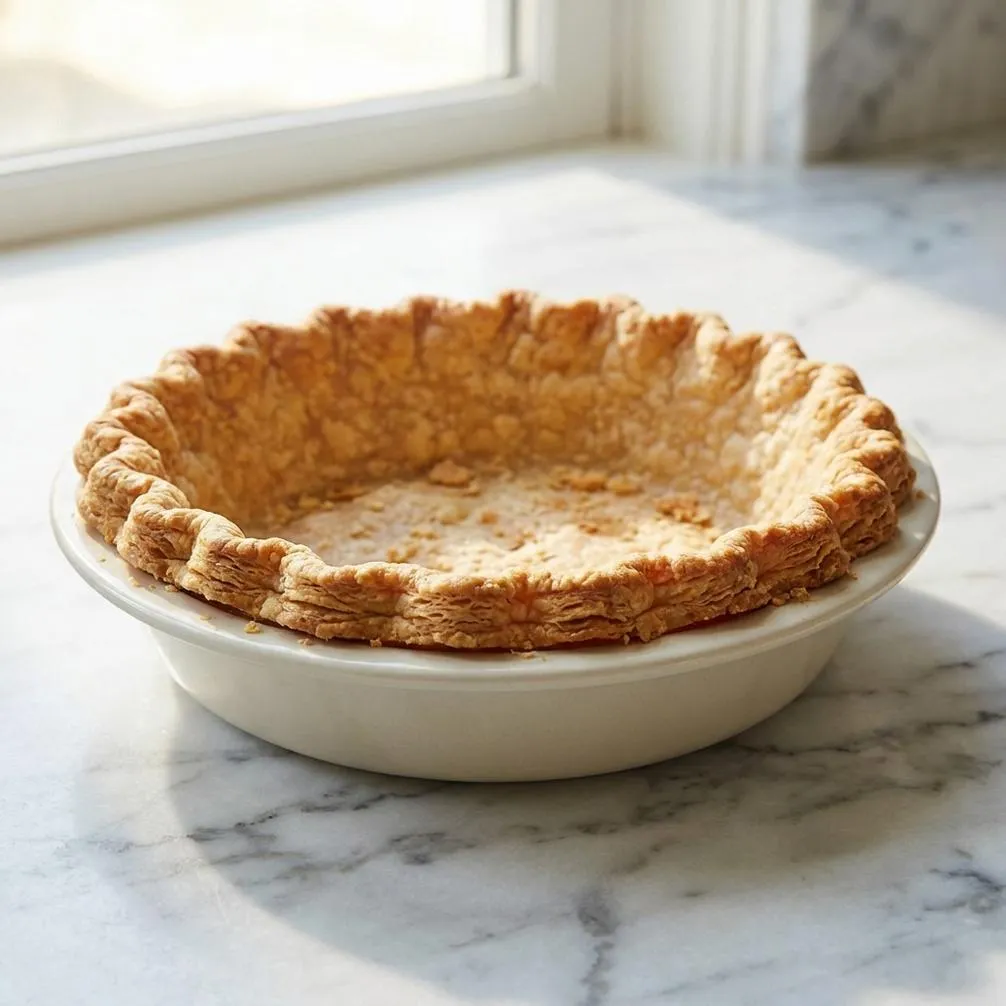
Easy recipe for a 5-Step Dairy Free Flaky Coconut Oil Pie Crust
Ingredients
- 1.5 cups all-purpose flour plus more for dusting
- 0.5 cup solid refined coconut oil chilled
- 1 tsp salt
- 1 tbsp granulated sugar optional, for a sweeter crust
- 4 tbsp ice cold water you may need up to 6 tbsp
Instructions
- Combine Dry Ingredients: In a large mixing bowl, whisk together the 1.5 cups of all-purpose flour, 1 teaspoon of salt, and the optional 1 tablespoon of sugar until well combined.
- Cut in Coconut Oil: Add the 1/2 cup of chilled, solid coconut oil to the flour mixture. Using a pastry blender, a fork, or your fingertips, cut the coconut oil into the flour until the mixture resembles coarse crumbs with some pea-sized pieces of oil still visible. These larger pieces are key to a flaky crust.
- Add Water & Form Dough: Sprinkle 4 tablespoons of ice-cold water over the flour mixture. Gently toss with a fork until the dough begins to clump together. If it’s too dry and crumbly, add more water, 1 tablespoon at a time, until it just holds together when pressed. Be careful not to overwork the dough. Shape the dough into a flat 1-inch thick disc.
- Chill the Dough: Wrap the dough disc tightly in plastic wrap and refrigerate for at least 30 minutes (or up to 2 days). Chilling is a critical step; it allows the coconut oil to re-solidify, which creates steam pockets when baking, resulting in a flaky texture.
- Roll and Bake: On a lightly floured surface, roll the chilled dough out into a 12-inch circle. Carefully transfer it to a 9-inch pie plate. Trim any excess dough, leaving about a 1-inch overhang, then fold the overhang under and crimp the edges decoratively. For a pre-baked (blind baked) crust, prick the bottom with a fork, line with parchment paper, fill with pie weights or dried beans, and bake at 400°F (200°C) for 15 minutes. Remove the weights and parchment, then bake for another 10-15 minutes until golden brown. Let cool before filling.
Notes
Storage: Unbaked dough can be stored in the refrigerator for up to 2 days or wrapped well and frozen for up to 3 months. Thaw frozen dough in the refrigerator overnight before rolling.
Variation: Use refined coconut oil for a neutral flavor that won’t taste like coconut. If you enjoy the coconut flavor, you can use unrefined (virgin) coconut oil.
Frequently Asked Questions
Can I use melted coconut oil for this pie crust?
No, you must use solid, cold coconut oil. Melted coconut oil will mix too thoroughly with the flour, preventing the formation of flaky layers. This will result in a crust that is greasy and dense rather than light and flaky. For best results, chill the coconut oil in the refrigerator for at least an hour before using it.
How do I prevent my coconut oil pie crust from getting soggy?
The best way to prevent a soggy bottom is to blind bake the crust, especially for custard or very wet fruit fillings. To blind bake, line the unbaked crust with parchment paper, fill it with pie weights or dried beans, and bake at 400°F (200°C) for 15-20 minutes. Then, remove the weights and parchment and bake for another 5-7 minutes until golden.
Can I make this dairy-free pie crust ahead of time?
Yes, this dough is perfect for making ahead. You can prepare the dough, form it into a disk, wrap it tightly in plastic wrap, and refrigerate it for up to two days. You can also freeze the dough disk for up to three months. Just let it thaw in the refrigerator overnight before rolling it out.
Is this coconut oil pie crust recipe gluten-free?
This specific recipe uses all-purpose flour, so it is not gluten-free. However, you can substitute the all-purpose flour with a good quality gluten-free all-purpose baking blend that contains xanthan gum. The texture may be slightly different, but you can still achieve a delicious and tender crust.
A Perfect Pie Crust for Everyone
Making a homemade pie from scratch is one of the most rewarding kitchen projects. With this Dairy Free Flaky Coconut Oil Pie Crust, you can create stunning desserts and savory meals that everyone at your table can enjoy. It’s a simple, reliable recipe that proves you don’t need dairy to achieve a wonderfully rich and flaky crust. I hope this recipe brings as much joy to your home as it does to mine. Happy baking