Some of my most cherished memories are tied to the aroma of a slow-roasting meal filling the house on a Sunday afternoon. It’s a scent that promises comfort, togetherness, and something truly special for dinner. This Slow Cooked Lamb Shoulder with Balsamic is the embodiment of those memories—a dish that feels grand yet is surprisingly simple to make. It’s the kind of meal that gathers everyone around the table, with meltingly tender meat that falls right off the bone.
This Slow Cooked Lamb Shoulder with Balsamic has become my go-to for family gatherings because it delivers impressive results with minimal effort. The slow cooking process does all the heavy lifting, transforming a humble cut of lamb into a succulent masterpiece. The tangy balsamic vinegar cuts through the richness of the meat, creating a perfectly balanced sauce. In short, this dish is a showstopper. After a meal this satisfying, the only thing left is to decide on one of these amazing desserts to round out the evening. I am so excited to show you how to make the best Slow Cooked Lamb Shoulder with Balsamic you’ve ever had.
Why This Lamb Shoulder Recipe Works So Well
This recipe consistently produces incredible results because it relies on two fundamental cooking principles: patient, slow heat and the power of a acidic marinade. When you combine these, you get a Slow Cooked Lamb Shoulder with Balsamic that is juicy, flavorful, and incredibly tender every single time. It is a forgiving method that is perfect for both new cooks and seasoned pros.
The Magic of Low and Slow Cooking
Lamb shoulder is a hard-working muscle, which means it has a lot of connective tissue and fat. While this might make it tough if cooked quickly, it is the perfect candidate for slow cooking. Over several hours at a low temperature, that collagen and connective tissue gently break down and melt into the meat. Consequently, the lamb becomes so tender you can shred it with a fork. This method also allows the flavors of the garlic, rosemary, and balsamic to penetrate deep into the meat.
Balsamic Vinegar: The Secret Ingredient
The addition of balsamic vinegar is what truly makes this dish stand out. Its natural acidity serves two important purposes. First, it helps to tenderize the meat by breaking down some of its tough fibers before and during cooking. Second, its sweet and tangy flavor profile provides a beautiful contrast to the rich, savory taste of the lamb. As the cooking liquids reduce, the balsamic vinegar concentrates into a luscious, syrupy glaze that coats every piece of the meat. This creates a wonderful depth of flavor you just can’t get from salt and pepper alone.
Choosing and Preparing Your Balsamic Lamb Shoulder
Starting with the right ingredients and a little bit of prep work is the key to a successful roast. A few simple steps before the lamb even goes into the oven set the stage for a delicious outcome. Taking a few extra minutes at the beginning pays off with incredible flavor and texture in the final dish.
Selecting the Right Cut of Lamb
For this recipe, you can use either a bone-in or boneless lamb shoulder. I personally prefer a bone-in shoulder, as the bone adds a significant amount of flavor to the meat and the surrounding juices during the long cooking process. Look for a shoulder roast that is around 4-5 pounds. You want a piece with a good fat cap, as this fat will render down while cooking, basting the meat and keeping it moist and succulent.
Essential Prep Steps for Maximum Flavor
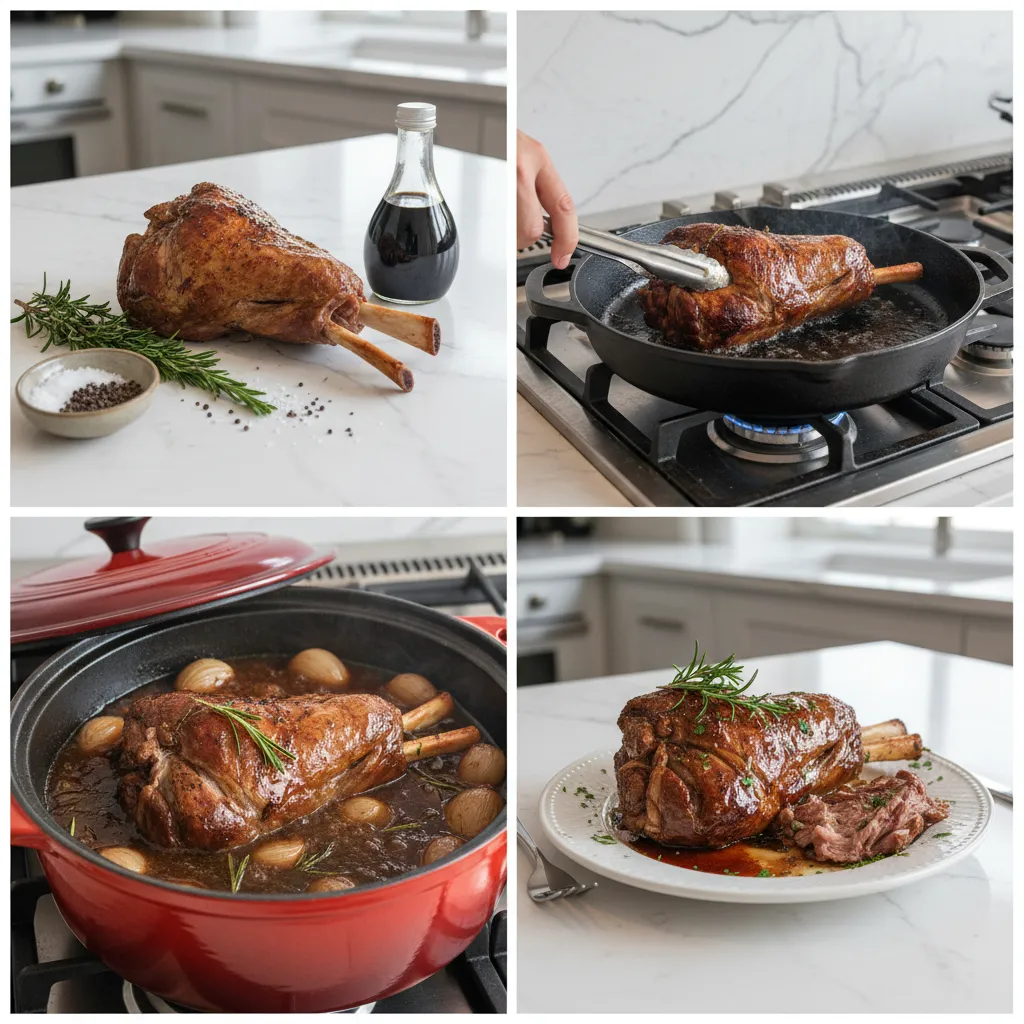
Before you begin cooking, pat the lamb shoulder dry with paper towels. This helps you get a better sear. Next, score the fat cap in a diamond pattern, being careful not to cut into the meat itself. Scoring allows the seasonings to penetrate more deeply and helps the fat render more evenly. Rub the entire shoulder generously with salt, pepper, minced garlic, and fresh rosemary. The most important prep step is searing the meat. Heat a little olive oil in a large Dutch oven or oven-safe pot over high heat and brown the lamb on all sides. This step builds a flavorful crust that adds immense depth to the final dish.
From Roast to a Perfect Pulled Lamb Shoulder Recipe
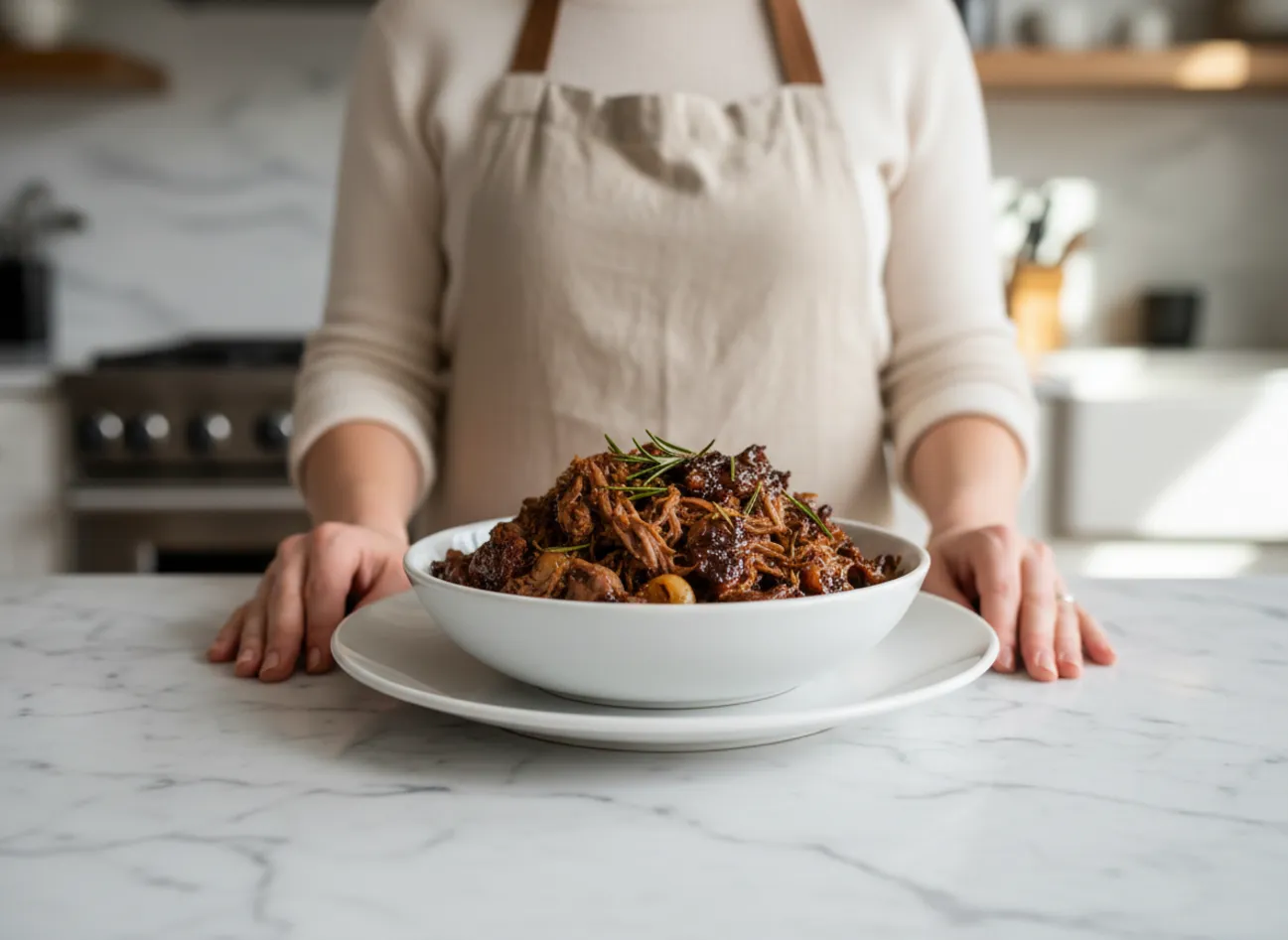
One of the best things about this dish is its versatility. You can serve it as a traditional sliced roast, or you can easily transform it into a fantastic pulled lamb shoulder recipe. Once the lamb has finished cooking, it will be so tender that shredding it is almost effortless. This makes it perfect for a variety of casual and creative serving options that are always a hit.
The Art of Shredding
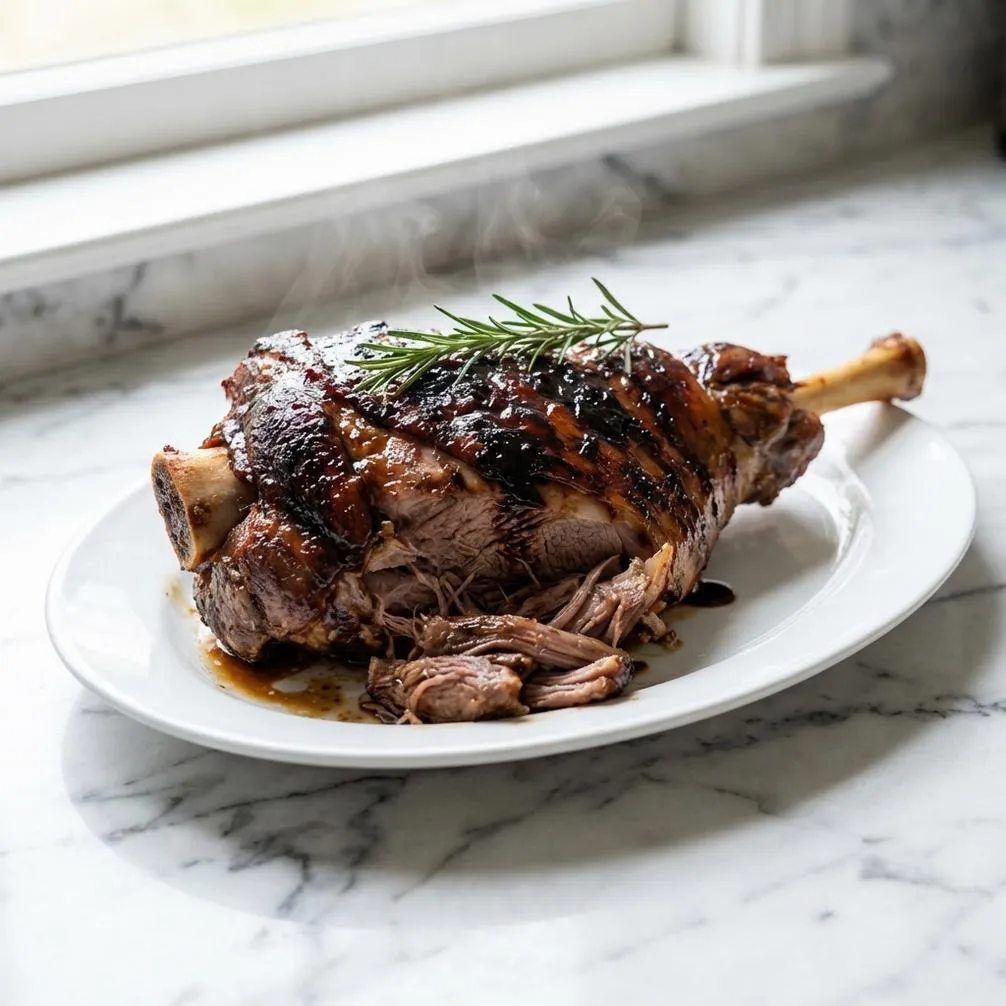
After the lamb has rested for about 15-20 minutes, transfer it to a large cutting board. The meat should be incredibly tender and almost falling apart. Using two forks, gently pull the meat away from the bone. The lamb will shred into large, juicy chunks. Discard the bone and any large pieces of fat that haven’t fully rendered. Once all the meat is shredded, return it to the pot with the cooking juices and toss everything together. This allows the pulled lamb to soak up all that delicious balsamic glaze. This preparation highlights the unique qualities of lamb and mutton as a meat perfect for slow cooking.
Serving Suggestions for Pulled Lamb
Once you have your shredded lamb, the possibilities are endless. This pulled lamb shoulder recipe is wonderful served in warm pita bread with a dollop of tzatziki and some fresh cucumber and tomato. It also makes incredible sliders on brioche buns with a little arugula. For a more substantial meal, serve the pulled lamb over creamy polenta, mashed potatoes, or even your favorite pasta. It’s a fantastic way to enjoy the flavors of a Sunday roast in a more relaxed, modern format.
Tips for a Flawless Balsamic Lamb Roast
A few final touches can make a big difference between a good lamb roast and a great one. Making a proper glaze from the pan juices and choosing the right side dishes will complete your meal and make it truly memorable. These simple tips will help you get the most out of your Slow Cooked Lamb Shoulder with Balsamic.
Making the Perfect Balsamic Glaze
After you remove the cooked lamb from the pot to rest, you are left with a pool of flavorful cooking liquid. Do not let this go to waste. You can easily turn this into a rich glaze to serve with the meat. First, skim any excess fat from the surface of the liquid with a spoon. Then, place the pot over medium-high heat on the stovetop and bring the liquid to a simmer. Let it bubble away for 10-15 minutes, or until it has reduced by about half and thickened into a syrupy consistency. Pour this incredible sauce over the sliced or pulled lamb just before serving.
What to Serve Alongside Your Lamb
This rich and flavorful lamb pairs well with a variety of side dishes. For a classic combination, serve it with creamy garlic mashed potatoes or crispy roasted potatoes to soak up the balsamic glaze. Roasted root vegetables, like carrots and parsnips, are another excellent choice, as their sweetness complements the lamb beautifully. If you prefer something lighter, a simple green salad with a lemon vinaigrette or some steamed green beans with almonds will provide a fresh, crisp contrast to the richness of the meat.
Slow Cooked Lamb Shoulder with Balsamic Recipe
This recipe creates a tender, fall-off-the-bone lamb roast that is perfect for any occasion, from a special holiday dinner to a cozy Sunday supper. Follow these simple steps for a truly unforgettable meal.
How to cook the #1 Slow Cooked Lamb Shoulder with Balsamic
Ingredients
- 1 bone-in lamb shoulder approximately 4-5 lbs
- 2 tbsp olive oil
- 2 yellow onions peeled and quartered
- 1 head garlic halved crosswise
- 1 cup balsamic vinegar good quality
- 2 cups beef broth low sodium
- 2 tbsp honey or maple syrup
- 4 sprigs fresh rosemary
- 6 sprigs fresh thyme
- 2 tsp kosher salt or to taste
- 1 tsp black pepper freshly ground
Instructions
- Preheat your oven to 325°F (160°C). Pat the lamb shoulder completely dry with paper towels. Season generously on all sides with kosher salt and freshly ground black pepper.
- Heat the olive oil in a large Dutch oven or heavy-bottomed pot over medium-high heat. Carefully place the lamb shoulder in the pot and sear on all sides until deeply browned, about 3-4 minutes per side. Use tongs to turn it. Once browned, remove the lamb from the pot and set it aside on a plate.
- Reduce the heat to medium. Add the quartered onions and halved head of garlic to the pot, cut-side down. Cook for 4-5 minutes, until they begin to caramelize and soften.
- Pour in the balsamic vinegar to deglaze the pot, scraping up any browned bits from the bottom with a wooden spoon. Let it simmer and reduce for about 2 minutes.
- Stir in the beef broth and honey. Add the fresh rosemary and thyme sprigs. Bring the mixture to a gentle simmer.
- Return the seared lamb shoulder to the pot, nestling it amongst the onions and herbs. The liquid should come about halfway up the side of the lamb. Bring back to a simmer.
- Cover the Dutch oven with its lid and transfer it to the preheated oven. Cook for 4 to 4.5 hours, or until the lamb is exceptionally tender and falling off the bone. You can check by gently twisting a fork in the meat; it should shred easily.
- Carefully remove the lamb from the pot and transfer it to a cutting board or serving platter. Tent loosely with foil and let it rest for 15-20 minutes.
- While the lamb rests, you can create a sauce. Strain the cooking liquid into a saucepan, discarding the solids (or you can serve the softened onions and garlic alongside). Skim off any excess fat from the surface. Bring the liquid to a boil over medium-high heat and let it reduce for 10-15 minutes, or until it has thickened to a syrupy glaze. Taste and adjust seasoning if needed.
- Shred the rested lamb meat using two forks. Serve hot, drizzled generously with the balsamic reduction sauce. It pairs beautifully with creamy polenta, mashed potatoes, or roasted root vegetables.
Notes
Frequently Asked Questions
What is the best cut of lamb for slow cooking?
The best cuts for slow cooking are the tougher, hard-working muscles like the shoulder or the leg. Lamb shoulder, in particular, is ideal because its ample marbling and connective tissue break down over a long cooking time, resulting in exceptionally moist and tender meat.
Do I need to brown the lamb shoulder before slow cooking?
Yes, browning the lamb is a crucial step. Searing the meat over high heat creates the Maillard reaction, which develops a deep, savory crust on the surface. This crust adds a huge amount of flavor to the final dish that you wouldn’t get if you simply placed the raw lamb directly into the slow cooker or pot.
Can I overcook lamb shoulder in a slow cooker?
While it is more forgiving than other cuts of meat, it is possible to overcook lamb shoulder. If cooked for too long, the muscle fibers can become mushy and dry, even while sitting in liquid. It’s best to cook it until it is fork-tender but not falling into shreds on its own. Typically, 6-8 hours on low is the sweet spot.
How do I store and reheat leftover slow cooked lamb?
Store any leftover lamb in an airtight container in the refrigerator for up to 3-4 days. Be sure to include some of the pan juices to keep it moist. To reheat, place the lamb and juices in a covered saucepan over low heat until warmed through. Alternatively, you can reheat it in the microwave in short intervals.
A Meal to Remember
This Slow Cooked Lamb Shoulder with Balsamic is more than just a recipe; it’s an experience. It’s the kind of comforting, satisfying food that brings people together and creates lasting memories. I hope this dish brings as much joy to your table as it has to mine. Give it a try, and you’ll see just how simple it is to make a meal that tastes truly extraordinary.