
Some foods just feel like a warm hug, and for me, that’s always been an incredibly delicious Quiche Lorraine. I remember the first time my grandmother let me help make one. I was so small I could barely see over the counter. She let me whisk the eggs and sprinkle the cheese, telling me the secret was patience and good ingredients. That rich, savory aroma filling the house became a core memory. Today, every time I make this dish, I’m right back in her kitchen. This recipe is more than just a meal; it’s a slice of brunch perfection, perfect for a slow weekend morning or even a simple weeknight dinner. Making an incredibly delicious Quiche Lorraine isn’t complicated, and I’m going to walk you through every step to get that perfect flaky crust and silky, bacon-studded custard every single time. It’s a timeless classic that always impresses.
Why This Quiche Lorraine is So Impressive
An incredibly delicious Quiche Lorraine comes down to two key components: the crust and the custard. When both are done right, the result is a savory pie that is light yet satisfying. The contrast between the buttery, flaky pastry and the rich, creamy filling is what makes this dish so special. It’s a testament to how simple ingredients, when treated with care, can produce something truly remarkable. This recipe focuses on getting those fundamentals just right, giving you a foundation for a perfect quiche every single time.
The Perfect Flaky Crust
The foundation of any great quiche is its crust. A soggy bottom can ruin the entire experience. To avoid this, we use a technique called blind baking. This means partially baking the crust before adding the filling, which creates a protective barrier and keeps the pastry crisp. While a store-bought pie crust works in a pinch, a homemade crust made with cold butter and ice water offers a superior flavor and texture. The key is to handle the dough as little as possible to keep the butter cold, which produces those lovely, flaky layers during baking.
The Creamy, Rich Custard
The heart of our incredibly delicious Quiche Lorraine is its simple yet luxurious custard. The magic is in the ratio of eggs to dairy. This recipe uses heavy cream and whole milk to create a filling that is rich without being heavy. The eggs give it structure, and the cream provides a smooth, silky texture that melts in your mouth. We season it simply with salt, pepper, and a pinch of nutmeg. This subtle warmth from the nutmeg complements the savory bacon and nutty cheese beautifully, rounding out the flavors of the custard.
Key Ingredients for a Delicious Quiche Lorraine
You don’t need a long list of fancy ingredients to make an authentic quiche. In fact, the original French dish was celebrated for its simplicity. The quality of each component is what matters most. By selecting good bacon, the right cheese, and fresh dairy, you set yourself up for a successful and tasty outcome. This is a dish where every ingredient plays a vital role in the final flavor profile.
Choosing the Right Bacon
Bacon is a star player in this classic recipe. I recommend using a good quality, thick-cut bacon because it has a better meat-to-fat ratio. This gives you hearty, flavorful pieces that don’t get lost in the custard. The most important step is to cook the bacon until it’s perfectly crisp before adding it to the quiche. This renders out the excess fat, preventing the filling from becoming greasy. After cooking, drain it well on paper towels and crumble it into pieces that will distribute evenly throughout the pie.
Gruyère Cheese: The Secret Weapon
While you can technically use other cheeses, traditional Quiche Lorraine calls for Gruyère, and for good reason. This Swiss cheese has a distinct nutty, slightly sweet flavor that becomes creamy and wonderful when melted. It complements the smoky bacon and rich custard without overpowering them. When you are at the store, buy a block of Gruyère and shred it yourself. Pre-shredded cheeses often contain anti-caking agents that can affect how they melt, and freshly grated cheese will always give you a smoother, more integrated texture.
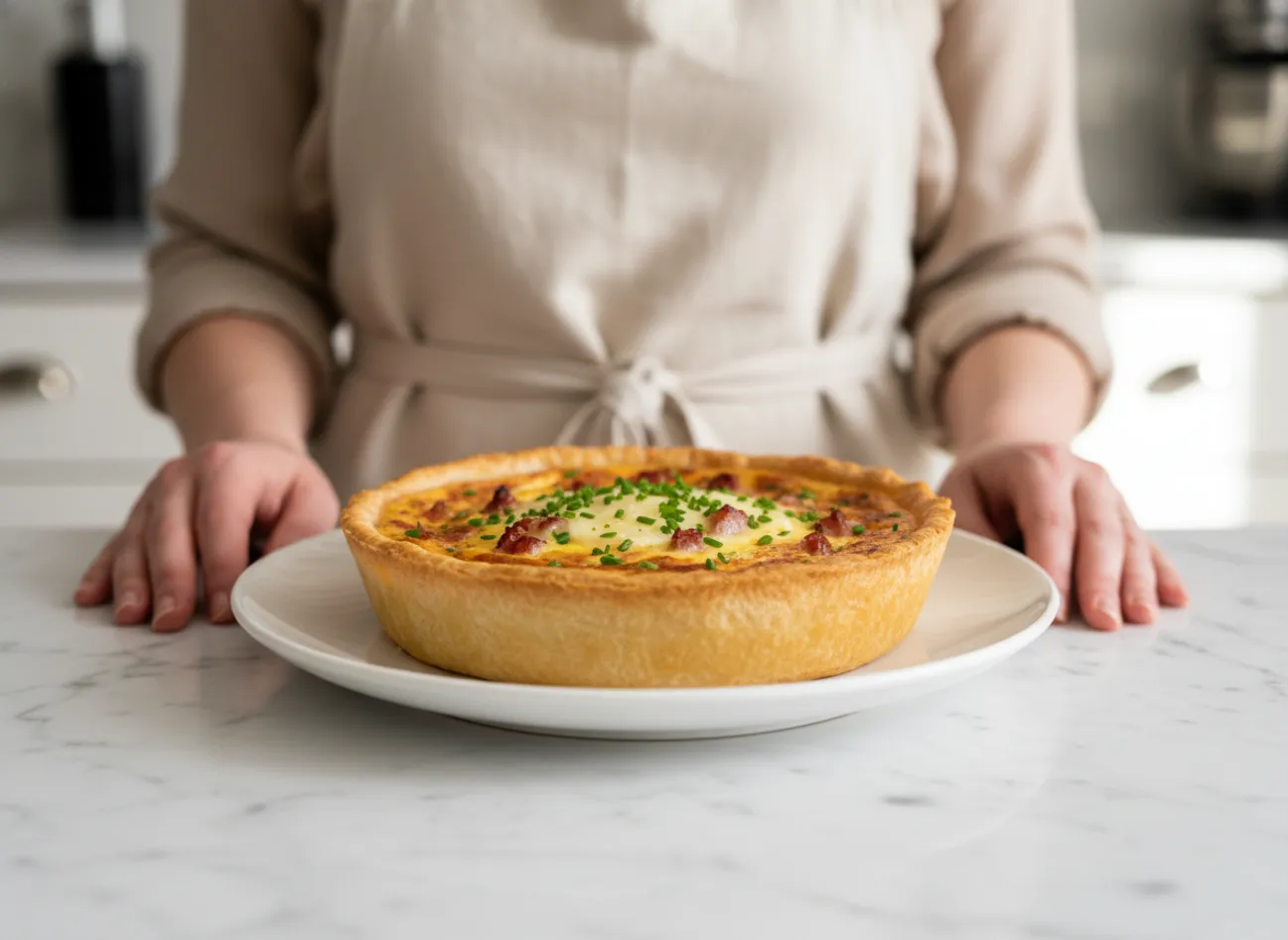
Mastering the Classic Quiche Lorraine Recipe
Bringing all the elements together is where the technique comes in. Following a few specific steps in the right order is what separates a good quiche from a great one. The classic quiche lorraine recipe is not difficult, but it does reward a methodical approach. From preparing the crust to pouring the custard, each step builds upon the last to create a harmonious and satisfying final product that looks as good as it tastes.
The Art of Blind Baking
As I mentioned earlier, blind baking is non-negotiable for a crisp crust. After you fit your pie dough into the pan, prick the bottom with a fork, line it with parchment paper, and fill it with pie weights or dried beans. This weighs the dough down and stops it from puffing up while it bakes. You’ll bake it until the edges are lightly golden, then remove the weights and parchment and bake it for a few more minutes to dry out the bottom. This small step makes a world of difference. The history of this dish is quite fascinating and shows how simple peasant food evolved into a celebrated classic.
Assembling Your Quiche
Once your crust is beautifully pre-baked, the assembly is straightforward. Start by creating an even layer of the crispy, crumbled bacon on the bottom of the crust. Next, sprinkle the shredded Gruyère cheese over the bacon. Spreading these ingredients out first prevents them from all floating to the top. Finally, gently whisk your eggs, cream, milk, and seasonings together until just combined. Over-whisking can introduce too much air, which may cause the quiche to puff up and then sink. Slowly pour this custard mixture over the bacon and cheese, filling the crust almost to the top.
Tips for Quiche Perfection
With the assembly complete, you are just one bake away from a fantastic meal. A few final pointers will help you get that picture-perfect result every time you make this dish. These tips focus on the baking process and what to do after the quiche comes out of the oven, because the final moments are just as important as the preparation. A little care here will make your delicious quiche lorraine even better.
How to Avoid a Weeping Quiche
A “weeping” quiche, one that releases water after it’s cut, is usually a sign of over-baking. The eggs in the custard become tough and begin to curdle if cooked at too high a temperature or for too long. To prevent this, bake the quiche until the center is almost set but still has a slight jiggle. It will continue to cook from the residual heat after you take it out of the oven. Letting the quiche rest for at least 15-20 minutes before slicing is also crucial. This gives the custard time to firm up completely.
Serving and Storing Suggestions
This classic quiche lorraine recipe is wonderfully versatile. It can be served warm from the oven or at room temperature, making it perfect for brunches, picnics, or light dinners. A simple green salad with a sharp vinaigrette is the perfect companion, as its acidity cuts through the richness of the quiche. For a heartier meal, you could serve a small slice alongside a flavorful baked balsamic chicken. Leftovers can be stored in the refrigerator, covered, for up to three days. To reheat, place individual slices in a 350°F oven for about 10-15 minutes until warmed through.
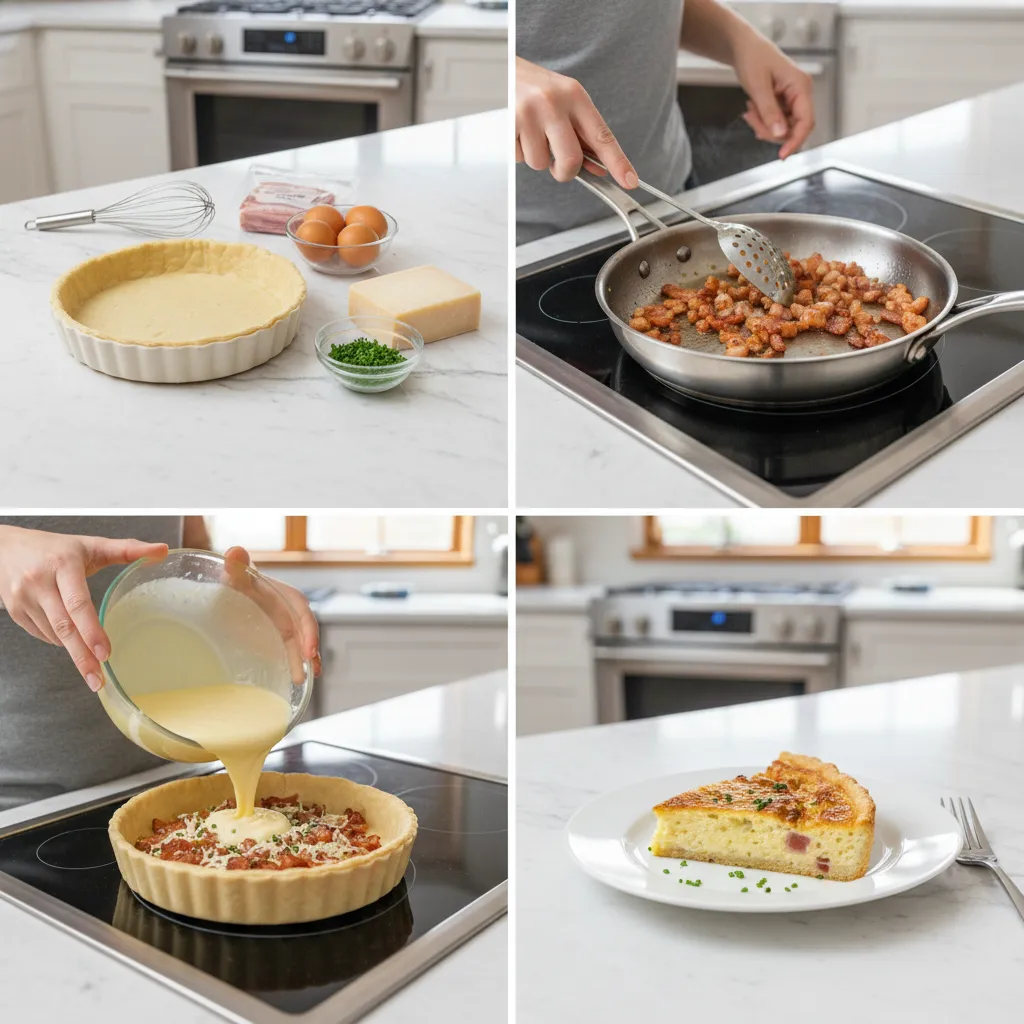
Recipe for an Incredibly Delicious Quiche Lorraine
This recipe delivers a brunch classic with a flaky, buttery crust and a rich, creamy custard filling loaded with bacon and cheese. Follow these steps for a perfect quiche that is sure to become a family favorite.
Secret to the best Incredibly Delicious Quiche Lorraine in 5
Ingredients
- 1 (9-inch) unbaked pie crust, store-bought or homemade Chilled
- 8 slices thick-cut bacon diced
- 1.5 cups Gruyère cheese shredded
- 3 large eggs lightly beaten
- 1.5 cups heavy cream
- 0.25 tsp salt
- 0.25 tsp black pepper freshly ground
- 1 pinch nutmeg freshly grated
Instructions
- Step 1: Blind Bake the Crust. Preheat your oven to 400°F (200°C). Press the pie crust into a 9-inch pie dish, fluting the edges. Prick the bottom with a fork. Line the crust with parchment paper and fill with pie weights or dried beans. Bake for 15 minutes. Carefully remove the parchment paper and weights, then bake for another 5-7 minutes, until the crust is lightly golden. Set aside to cool slightly.
- Step 2: Cook the Bacon. While the crust is baking, place the diced bacon in a large skillet over medium heat. Cook, stirring occasionally, until the bacon is brown and crispy, about 8-10 minutes. Use a slotted spoon to transfer the cooked bacon to a paper towel-lined plate to drain excess grease.
- Step 3: Assemble the Filling. Reduce the oven temperature to 350°F (175°C). Sprinkle the cooked bacon and shredded Gruyère cheese evenly over the bottom of the pre-baked crust. The cheese acts as a barrier to prevent a soggy bottom.
- Step 4: Prepare the Custard. In a medium bowl, whisk together the eggs, heavy cream, salt, black pepper, and freshly grated nutmeg until the mixture is smooth and fully combined. Do not over-mix, as this can incorporate too much air.
- Step 5: Fill and Bake. Carefully and slowly pour the egg custard mixture over the bacon and cheese in the pie crust. Bake for 30-35 minutes, or until the center is just set (it should have a slight jiggle) and the top is golden brown. Let the quiche cool on a wire rack for at least 10-15 minutes before slicing and serving. This allows the custard to set completely.
Notes
Storage: Leftover quiche can be stored, tightly covered, in the refrigerator for up to 3 days. Reheat slices in the oven or microwave.
Variations: Feel free to add 1/2 cup of sautéed onions or spinach to the filling along with the bacon and cheese.
Frequently Asked Questions
What is the difference between a quiche and a frittata?
The main difference lies in the crust and the cooking method. A quiche has a pastry crust and is baked slowly in the oven, resulting in a firm but creamy custard. A frittata is crustless and is typically started on the stovetop and then finished in the oven or under a broiler. Frittatas also tend to have less dairy, giving them a more egg-forward, firmer texture compared to the silky custard of a quiche.
Can I make Quiche Lorraine ahead of time?
Absolutely! Quiche is a great make-ahead dish. You can bake the entire quiche a day or two in advance, let it cool completely, cover it, and store it in the refrigerator. When you’re ready to serve, you can reheat the whole quiche or individual slices in a 350°F oven for about 15-20 minutes until warmed. You can also prepare the components separately—blind bake the crust and cook the bacon ahead of time—to speed up assembly on the day you plan to bake it.
Why is my Quiche Lorraine watery?
A watery quiche is often caused by one of two things: adding ingredients with high water content (like uncooked vegetables) or over-baking. In a classic Quiche Lorraine, this is less of a problem since bacon and cheese have low moisture. The most common culprit is over-baking, which causes the egg proteins to tighten, curdle, and squeeze out liquid. Bake your quiche only until the center is just set with a slight wobble to prevent this.
What can I use instead of Gruyère cheese in Quiche Lorraine?
While Gruyère is traditional for its wonderful melting quality and nutty flavor, you can certainly substitute it if needed. Good alternatives include other Swiss-style cheeses like Emmental or Jarlsberg. A sharp white cheddar or even a mix of Parmesan and mozzarella could also work, though they will change the flavor profile. Choose a cheese that melts well and has a flavor that complements bacon.
A Timeless Classic for Any Occasion
There is something deeply comforting about slicing into a perfectly baked quiche. The combination of flaky pastry, savory bacon, nutty cheese, and creamy custard is a classic for a reason. This incredibly delicious Quiche Lorraine recipe is proof that you don’t need complicated steps to produce an elegant and satisfying meal. I hope this dish brings as much joy to your table as it has to mine.



Comments and Reviews