One of my most cherished memories is the smell of my grandmother’s pound cake baking on a Sunday afternoon. The aroma of butter, sugar, and vanilla would fill the entire house. For years, I tried to replicate that exact cake, and after countless attempts, I finally created what my family now calls the Pound Cake Ever!!. This isn’t just any cake; it’s a connection to the past and a staple for future family gatherings. Its beauty lies in its simplicity, proving you don’t need a long list of ingredients to make something truly special. This is, without a doubt, the Pound Cake Ever!!, and I am so excited to share it with you.
Why This Is the Pound Cake Ever!!
When you think of classic desserts, pound cake often comes to mind. It’s a dense, moist, and buttery creation that stands perfectly on its own or with a simple dusting of powdered sugar. This recipe, however, takes that classic idea and perfects it. What makes this the Pound Cake Ever!! is its reliable outcome and straightforward method. You get a rich, tender crumb every single time without any complicated steps.
The secret is balance. With only five core ingredients, each one has a chance to shine. The butter provides richness, the sugar offers sweetness and a crisp crust, the eggs create structure, the flour gives it body, and a touch of vanilla adds warmth. This recipe celebrates simplicity, showing how basic pantry staples can come together to produce something extraordinary.
The Magic of Simple Ingredients
The original pound cake earned its name because it called for a pound of each of the main ingredients: a pound of butter, a pound of sugar, a pound of eggs, and a pound of flour. While my recipe adjusts these ratios for a modern loaf pan, the principle remains the same. We use high-quality, simple ingredients to get the best results. You don’t need fancy additions or special equipment. Just good butter, fresh eggs, and the right technique will produce the dessert of your dreams. The simplicity is what makes this the true Pound Cake Ever!!.
The Perfect Buttery Texture
A great pound cake is all about the texture. It should be dense but not heavy, and moist but not greasy. The crumb should be fine and tight, holding together beautifully when you slice it. This recipe achieves that ideal texture through two important steps: using room temperature ingredients and properly creaming the butter and sugar. This process creates tiny air pockets that give the cake its signature velvety feel. The result is a cake that melts in your mouth with a rich, buttery flavor that lingers just long enough.
Essential Tips for the Perfect Pound Cake
Baking is a science, and pound cake is a wonderful example of how technique matters just as much as the ingredients. Following a few key guidelines will help you achieve a flawless bake. Many people feel intimidated by baking from scratch, but this recipe is designed to give you confidence in the kitchen.
First and foremost, read the entire recipe before you begin. This helps you understand the flow and prepare your ingredients and equipment ahead of time. Measuring your ingredients accurately, especially the flour, is also crucial. I recommend using a kitchen scale for the most precise measurements, but the spoon-and-level method works well too. Just spoon the flour into your measuring cup and level it off with a straight edge.
Room Temperature Ingredients are Key
This is the single most important rule for making this recipe. Your butter, eggs, and any dairy (if a recipe calls for it) must be at room temperature. Cold butter won’t cream properly with sugar, and cold eggs can cause the batter to curdle or separate. Room temperature ingredients combine to form a smooth, stable emulsion that traps air. This trapped air expands in the oven, giving the cake its lift and fine crumb. To bring eggs to room temperature quickly, you can place them in a bowl of warm water for about 10 minutes.
The Art of Creaming Butter and Sugar
“Creaming” means beating softened butter and sugar together until the mixture is light, fluffy, and pale in color. This process can take a good 5-7 minutes with an electric mixer. You are not just mixing; you are whipping air into the butter. The sharp sugar crystals cut into the butter, creating those essential air pockets. If you rush this step, your cake will be dense and heavy. Take your time, scraping down the sides of the bowl periodically to make sure everything is evenly incorporated. This step alone can transform a good cake into the Pound Cake Ever!!.
Finding the Best Pound Cake Recipe
With so many variations online, searching for the best pound cake recipe can feel overwhelming. Some recipes call for buttermilk, sour cream, or cream cheese to add moisture and tang. Others include different flavorings like lemon, almond, or even bourbon. While those are all delicious, I believe the best pound cake recipe is one that masters the classic form first. This 5-ingredient version is the foundation. Once you perfect it, you can start experimenting with your own additions.
The key to a standout recipe is reliability. You want a recipe that works every time you make it, with clear instructions and consistent results. That’s what I aimed for here. This recipe has been tested in different ovens and with different brands of ingredients to make sure it is as foolproof as possible.
What Makes a Recipe Stand Out?
A truly great recipe is more than a list of ingredients; it’s a guide. It anticipates your questions and provides tips for success. For example, a good pound cake recipe will specify the importance of not overmixing the batter once the flour is added. Overmixing develops the gluten in the flour, which can lead to a tough, chewy cake instead of a tender one. You should mix only until the flour streaks disappear. A recipe that includes these small but vital details is one you can trust.
Global Variations of Pound Cake
Pound cake is a dessert loved around the world, and many cultures have their own version. In France, you’ll find the quatre-quarts, which translates to “four fourths,” referencing the equal parts of its four ingredients. In Mexico, a similar cake called panqué is often flavored with orange or lime. Exploring these delicious international recipes shows how a simple concept can be adapted in beautiful ways. This just proves the universal appeal of a simple, buttery cake.
Serving and Storing Your Amazing Pound Cake
One of the best things about this classic dessert is its versatility. You can serve it in dozens of different ways, making it suitable for any occasion, from a simple afternoon snack to an elegant dinner party dessert. How you store it also makes a big difference in how long it stays fresh and delicious.
Properly baked, this cake has a wonderfully crisp crust and a moist interior. To preserve both, you need to let it cool correctly. Allow the cake to cool in the pan for about 10-15 minutes before turning it out onto a wire rack to cool completely. If you try to remove it too soon, it may break. If you leave it in the pan for too long, it can become soggy.
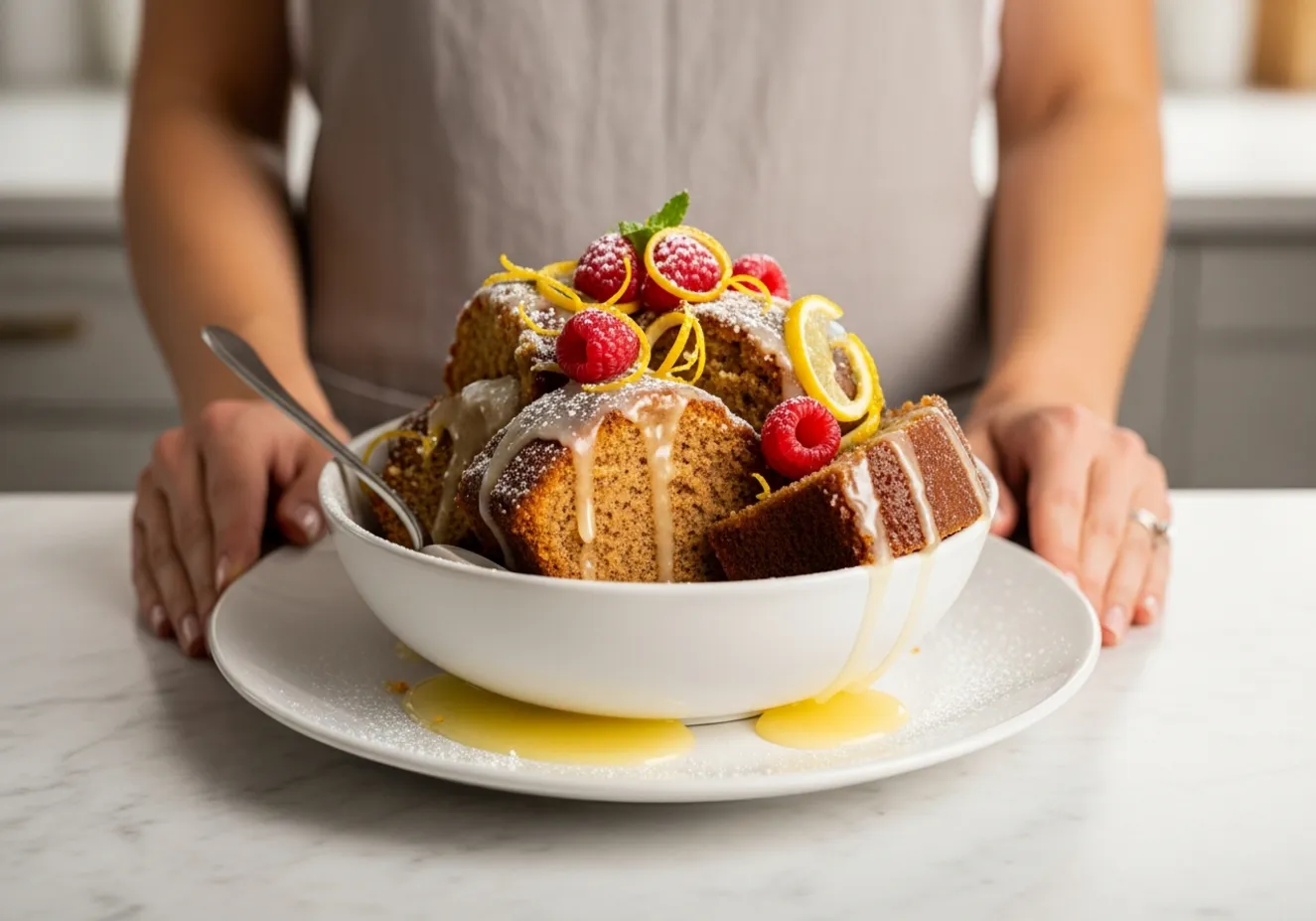
Toppings and Pairings
While this pound cake is fantastic on its own, it’s also a perfect canvas for toppings. For a simple touch, a light dusting of powdered sugar is all you need. For something more decadent, serve a slice with fresh berries and a dollop of whipped cream. Macerated strawberries, where you toss sliced berries with a little sugar and let them sit for 30 minutes, create a beautiful syrup that is amazing with this cake. A drizzle of chocolate or caramel sauce also works wonders. In the summer, try it with a scoop of vanilla bean ice cream.
How to Keep Your Cake Fresh
To store the pound cake, wrap it tightly in plastic wrap or place it in an airtight container. It will keep at room temperature for up to four days. In fact, some people argue that the flavor is even better on the second day! If you need to store it for longer, you can refrigerate it for up to a week. For longer-term storage, this cake freezes beautifully. Just wrap the whole loaf or individual slices in plastic wrap, then a layer of aluminum foil, and freeze for up to three months. To thaw, simply leave it at room temperature for a few hours. A rich dessert like this is a wonderful treat after a healthy dinner, perhaps one featuring a low-carb side dish to create a nice balance.
My Recipe for the Pound Cake Ever!!
This simple recipe creates a classic, buttery pound cake with a tender crumb and a golden crust. Follow the steps closely for a perfect cake every time.
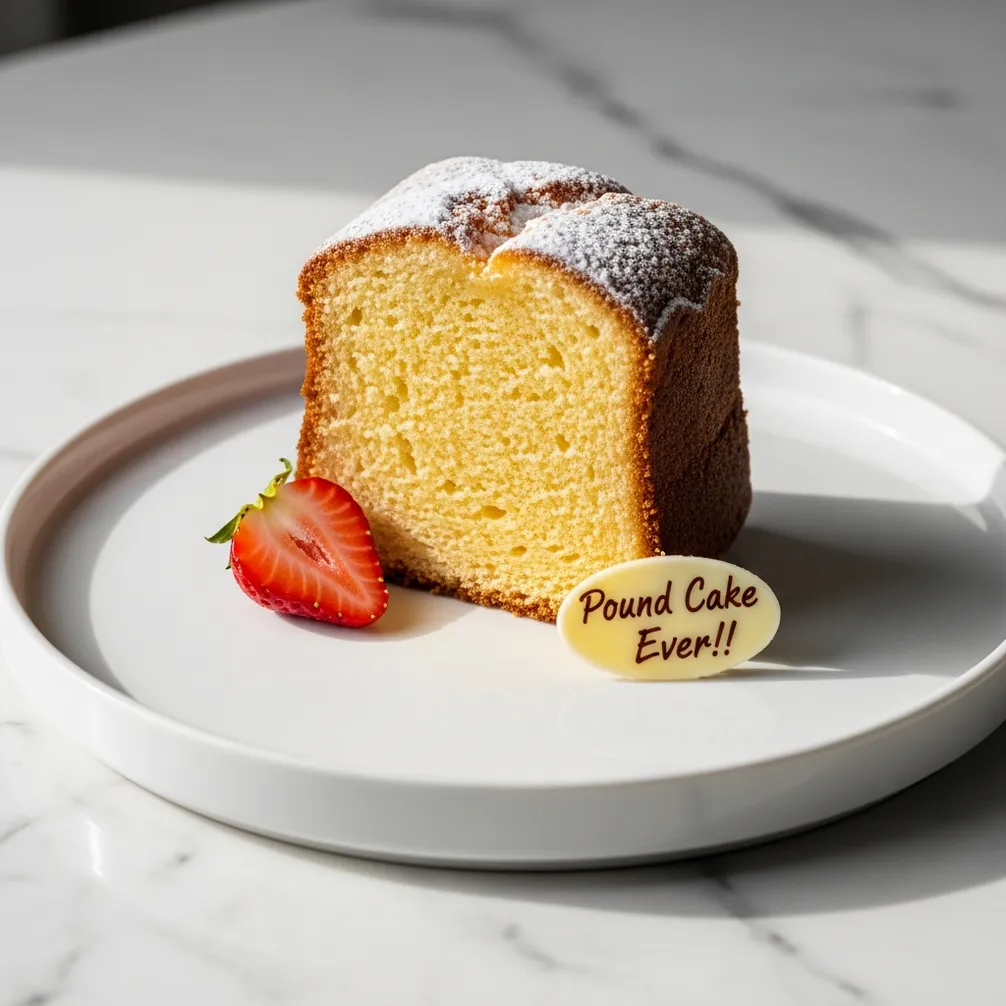
Easy recipe for the 5-Ingredient Pound Cake Ever!
Ingredients
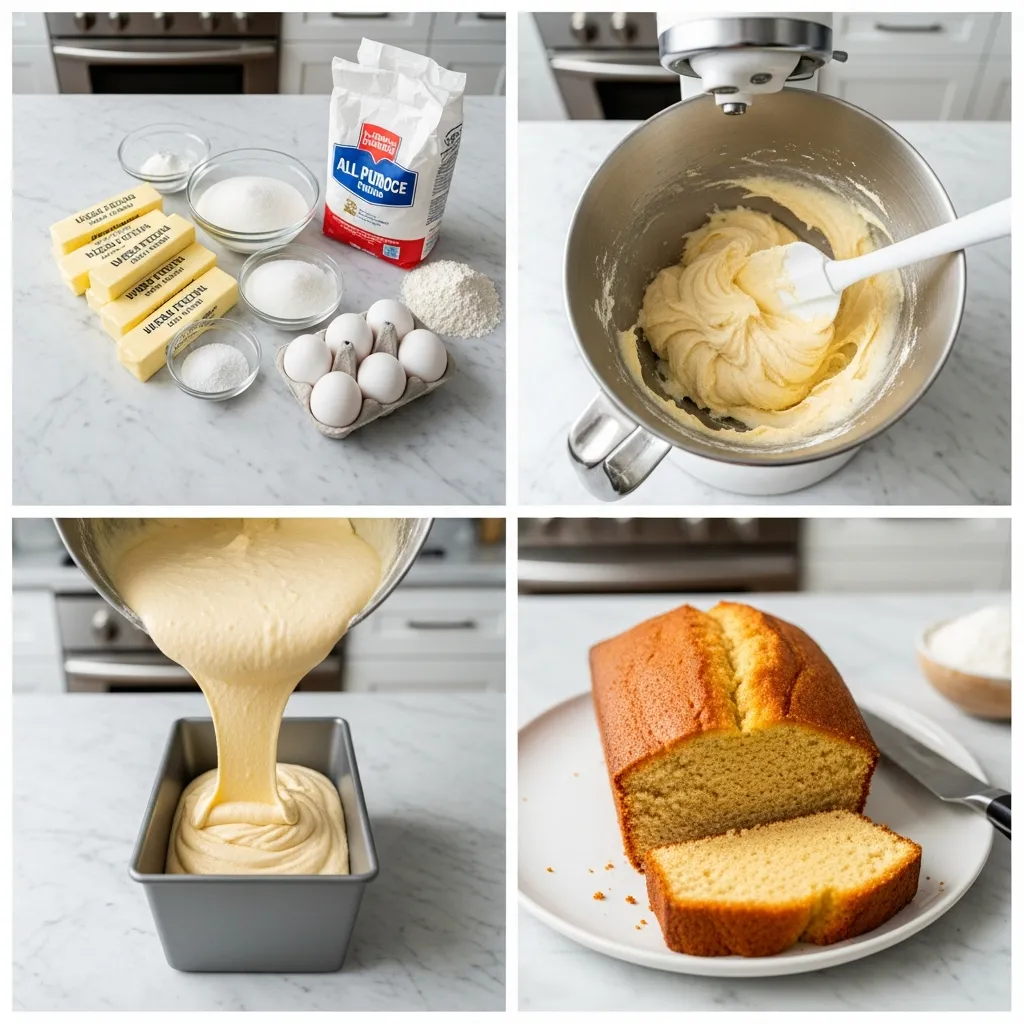
- 1 cup unsalted butter 2 sticks, softened to room temperature
- 2 cups granulated sugar
- 4 large eggs room temperature
- 2 cups all-purpose flour
- 1 tsp vanilla extract
Instructions
- Preheat your oven to 325°F (160°C). Grease and flour a 9×5 inch loaf pan, ensuring all sides and corners are well coated to prevent sticking.
- In a large mixing bowl, using an electric mixer, cream together the softened unsalted butter and granulated sugar on medium speed until the mixture is light and fluffy, about 3-5 minutes. Scrape down the sides of the bowl as needed.
- Add the large eggs one at a time, beating well after each addition. Make sure each egg is fully incorporated before adding the next. This helps create an emulsified batter that contributes to the cake’s moist texture.
- Gradually add the all-purpose flour to the wet ingredients, mixing on low speed until just combined. Be careful not to overmix, as this can develop the gluten too much and result in a tough cake. Mix until no streaks of flour remain.
- Stir in the vanilla extract until evenly distributed throughout the batter.
- Pour the batter into the prepared loaf pan and spread evenly with a rubber spatula. Tap the pan gently on the counter a few times to release any air bubbles.
- Bake in the preheated oven for 55-65 minutes, or until a wooden skewer or toothpick inserted into the center of the cake comes out clean. Baking times can vary, so start checking around 50 minutes.
- Once baked, remove the loaf pan from the oven and let the cake cool in the pan on a wire rack for 10-15 minutes. This allows the cake to set before handling.
- After cooling slightly, invert the cake onto the wire rack to cool completely before slicing and serving. Enjoy your perfectly moist and buttery pound cake!
Notes
Frequently Asked Questions
Why is my pound cake dry?
A dry pound cake is usually the result of overbaking or using too much flour. Make sure to measure your flour correctly by spooning it into the measuring cup and leveling it off. Also, start checking for doneness a few minutes before the recipe suggests. Every oven is different, and a minute or two can make a huge difference.
Can I use a different type of pan for pound cake?
Yes, you can. While a loaf pan is traditional, a Bundt pan is another excellent choice. If you use a Bundt pan, be sure to grease and flour it meticulously, getting into all the nooks and crannies. The baking time will likely be shorter in a Bundt pan because the cake is more spread out, so start checking it about 10-15 minutes earlier.
What does “creaming butter and sugar” mean?
Creaming is the process of beating softened butter and sugar together until the mixture becomes light, pale, and fluffy. This step incorporates air into the batter, which is essential for giving the pound cake its fine, tender texture and good volume. It typically takes 5-7 minutes with an electric mixer.
How do I know when my pound cake is done?
The most reliable way to check for doneness is to insert a wooden skewer or toothpick into the center of the cake. If it comes out clean or with a few moist crumbs attached, the cake is ready. If there is wet batter on the skewer, it needs more time. The top should also be golden brown and feel firm to the touch.
Conclusion
Baking this pound cake is more than just following a recipe; it’s about creating a moment of comfort and joy. This is the best pound cake recipe for anyone who appreciates the beauty of simple, well-made food. It’s a timeless classic that connects generations and fills your home with the most wonderful aroma. I hope this recipe brings as much happiness to your table as it has to mine. Enjoy every buttery slice